





Night view of illuminated white Southern-style houses with wraparound porches beneath Spanish moss-draped oak trees.

AC Repair in Abbeville, LA

Tell us about the job

Takes about a minute. No obligation.

RepairCentral ACVermilion Parish, LA
Step 1 of 2

What ZIP code is the job in?

Your AC in Abbeville runs from April through October, close to seven months of the year. June through August, the afternoon high averages 90°F, and the dew point sits around 74°F, heavier than most of the country ever sees. That means the system is pulling moisture out of the air as hard as it's pulling heat, almost every day of the summer. A unit working that hard, that often, wears parts down faster than one that gets a real break in spring and fall. When something starts acting up here, it's rarely out of nowhere. It's usually a part that's been carrying more load than it was built for, finally giving out.

7 months
April through October, your air conditioner is on duty
90°F
the average summer afternoon it cools against
8 hail events
in ten years, and hail bends the fins on outdoor coils
22 wind events
in ten years, and wind drives debris into outdoor units
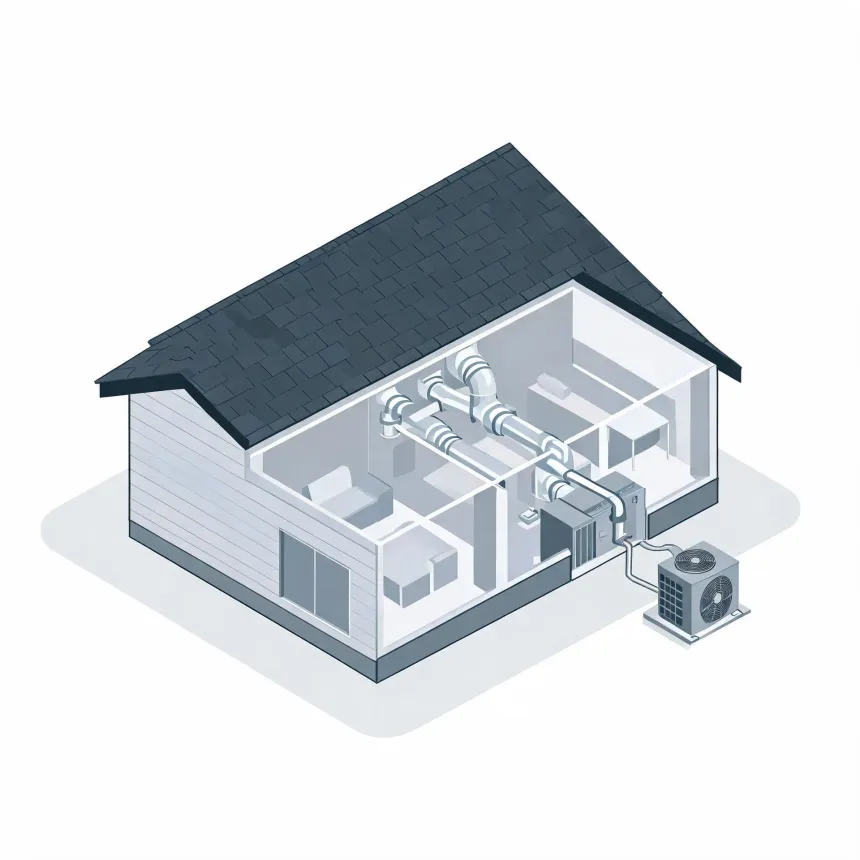
Isometric cutaway illustration of a house with a dark shingled roof, showing interior ductwork connected to an indoor air handler and an outdoor condenser unit beside the building.
Your air conditioner works hardest from May through September.

NOAA nClimDiv, 1991–2020 normals

Electricity in Vermilion Parish runs 11.81 cents per kilowatt-hour, cheaper than most of the country.

A failing AC still burns that power for months, and a system limping along in Abbeville summer heat runs almost nonstop.

This parish takes the kind of weather that damages an outdoor unit

36 severe weather events from 2015 to 2024
49% of homes statewide lost power a day or more in 2024
22 damaging wind events from 2015 to 2024
March Is When to Get It CheckedCooling starts up in April and runs for seven months straight.

If your AC has been acting up since the last big storm, that's worth paying attention to. Hail dents fins and bends them shut, and a unit can still run after that, just worse, pulling harder to move the same air. Wind-blown debris does similar damage, and a branch or piece of siding against the cabinet can crack a fan blade or knock a line loose without stopping the unit outright. A system that took a hit and kept running isn't necessarily fine. It's worth having someone check the coil, the fan, and the refrigerant lines after any storm that brought down branches or dropped hail in the yard, even if the system seems to be keeping up.

Have It Looked At Now, Not After It Quits

A system that runs this hard for this many months doesn't fail out of nowhere. Whatever's acting up right now has probably been building for a while. Worth having someone look at it and find the actual part, not just quiet it down for a week.

Find a contractor
A gray metal air conditioning condenser unit mounted on a concrete pad in a flat grassy field under a partly cloudy sky.

What Actually Breaks, and Why

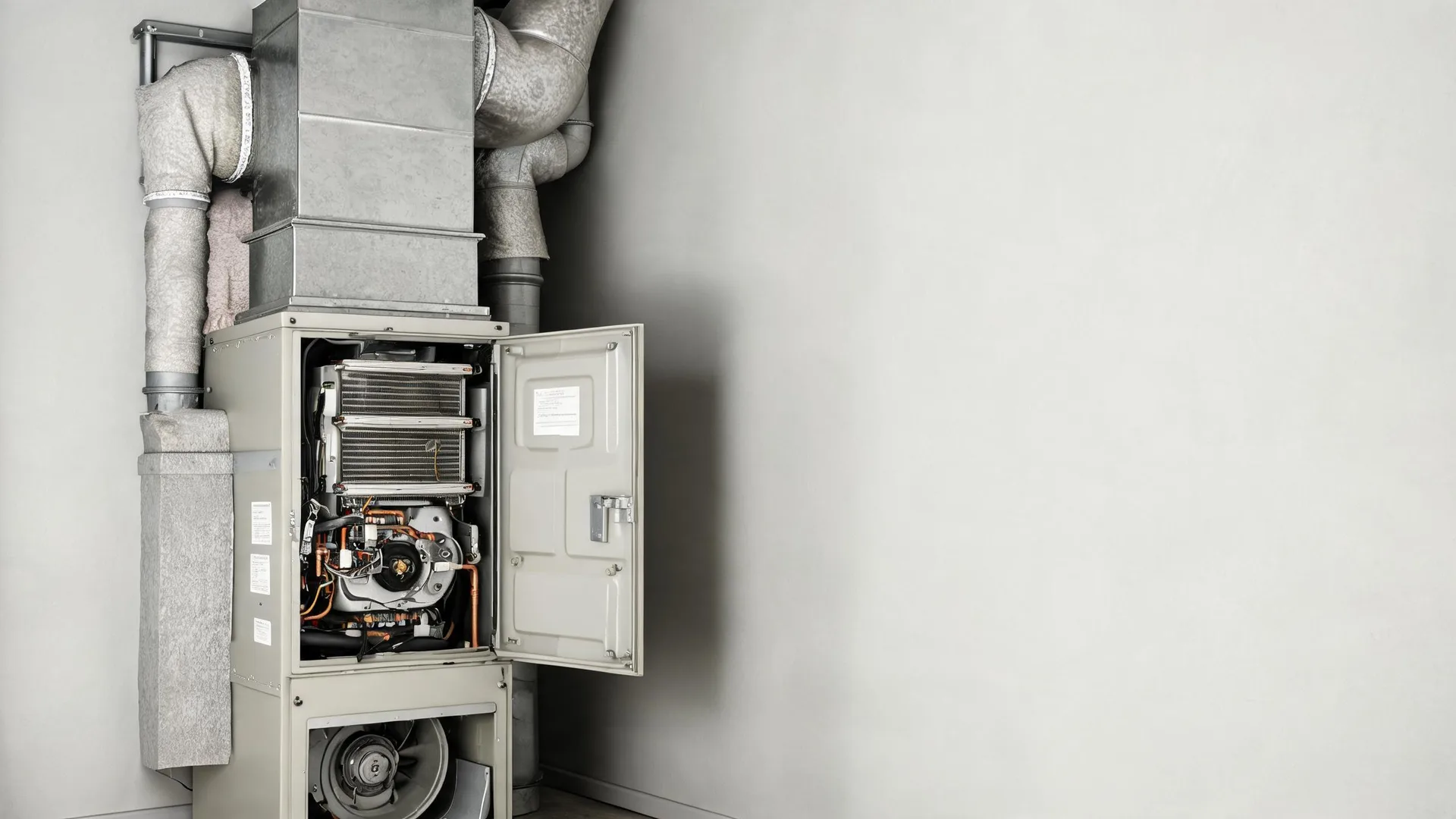
The capacitor is usually the first thing to go. It gives the compressor and fan motor the jolt they need to start, and that part weakens a little every time it fires. Eventually it can't deliver the jolt anymore, and the unit hums but doesn't start, or the fan spins slow. The contactor goes a similar way. Its contacts pit and burn from making and breaking current over and over, until it sticks or stops conducting. The condenser fan motor wears on bearings that dry out over time, and you'll hear it before it quits, a grinding or squealing sound, or the fan running slower than it should. Refrigerant lines can develop slow leaks at joints and fittings, and a system low on refrigerant has to run longer to do the same job, which stresses everything else. Coils cake up with dirt and dust where air passes through them, and a coil that can't transfer heat properly makes the compressor work against resistance it wasn't built for. The compressor itself is the part nobody wants to hear about, because by the time it fails, it's usually from years of something else forcing it to work harder than it should have. Most AC failures trace back to one of these, not to the compressor breaking out of nowhere.

What You Can Check Yourself

Look at the outdoor unit and make sure nothing is pressed against the cabinet or blocking the fins. Check the air filter and swap it if it's gray or clogged, since a blocked filter chokes airflow across the coil. Look at the thermostat and confirm it's set to cool and the batteries aren't dead. Check the breaker box for anything tripped. If the outdoor fan isn't spinning at all, or the unit is clicking but not starting, those are worth noting for whoever comes to look at it.

What To Leave Alone

Don't open the outdoor unit's electrical panel or touch the wiring inside it. Don't try to add refrigerant or guess at a leak, since the lines run under pressure and the fittings need a gauge set to read correctly. Don't keep flipping the breaker back on if it trips again right away, since that usually means a short or a seized motor, and running it anyway can burn out a part that was still fine. If the system is making a grinding or squealing noise, shut it off rather than let it run until someone gets there.

Overhead view of a gray outdoor AC condenser unit on a concrete pad beside a mulched garden bed and a house with vinyl siding.

A new air conditioner would cut about $80 a year off cooling for a typical Vermilion Parish home.

  • A new one at the federal minimum, 14.3 SEER2$490 a year
  • An older air conditioner$570 a year

Estimates for a typical Vermilion Parish home, compared with an older unit built to the previous federal minimum, from EIA household energy data, Louisiana fuel prices and NOAA climate normals. Your home will differ.

Repair makes sense when a part like a capacitor or contactor has failed.

Replacement makes sense when the compressor has failed or the system uses R-22 refrigerant, which is no longer made.

A struggling system doesn't pause to save you money. It keeps drawing power whether it's cooling the house well or not, and a capacitor on its way out or a coil caked with dirt makes the compressor work harder for the same result. That extra draw shows up on the meter every day it runs, not just on the day it finally quits. Waiting doesn't make the repair smaller, it just stretches out the stretch where you're paying more for less. Getting the actual problem found now stops that sooner than later.