




White plantation-style houses with wraparound porches lit at night, surrounded by Spanish moss-draped live oak trees.

AC Repair in Addis, LA

Tell us about the job

Takes about a minute. No obligation.

RepairCentral ACWest Baton Rouge Parish, LA
Step 1 of 2

What ZIP code is the job in?

Your air conditioner runs from April through October here, about seven months of the year. For three of those months the afternoon high averages 91°F, and the air itself is heavy, with a dew point around 73°F most days. That means the system is pulling moisture as hard as it's pulling heat, every time it runs. A unit working that many hours against that kind of load wears parts sooner than the same unit would somewhere milder. A capacitor, a contactor, a compressor, whatever is struggling in your system right now has likely been under that strain for years before it finally showed up as a problem.

7 months
April through October, your air conditioner is on duty
91°F
the average summer afternoon it cools against
7 hail events
in ten years, and hail bends the fins on outdoor coils
11 wind events
in ten years, and wind drives debris into outdoor units
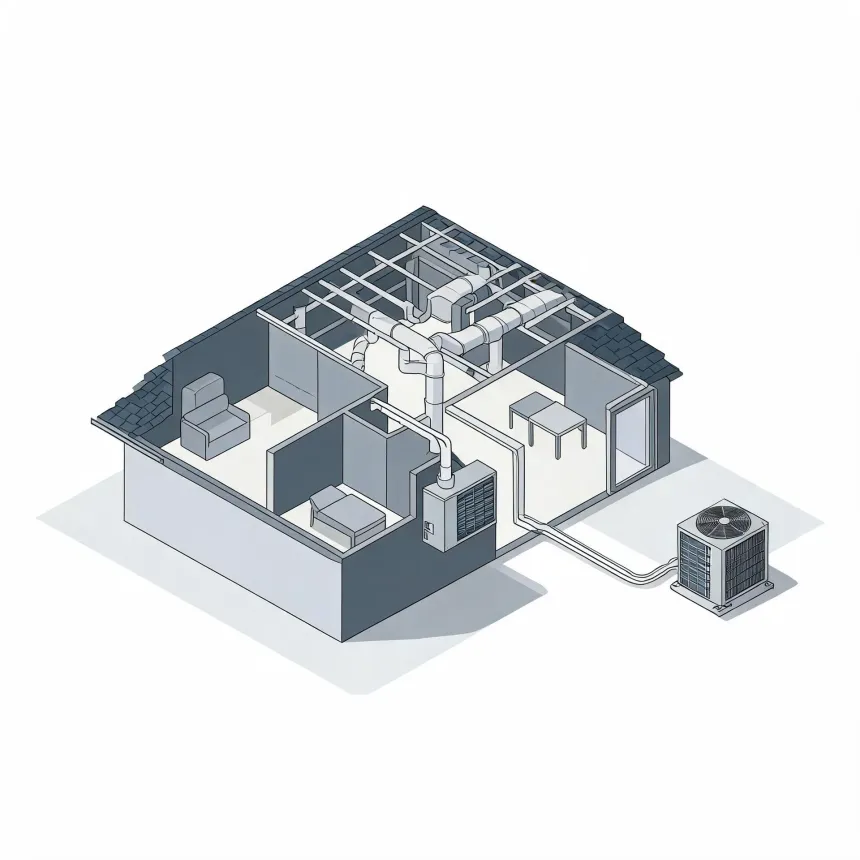
Isometric cutaway illustration of a house showing attic ductwork, an indoor air handler, and an outdoor condenser unit connected by lines.
Your air conditioner works hardest from May through September.

NOAA nClimDiv, 1991–2020 normals

Half the homes in West Baton Rouge Parish were built in 1993 or later.

A system installed with a newer house usually still has years of working life in it, which makes repair the right first call.

Storms move through Addis often, and outdoor units take the hit before anything breaks down

25 severe weather events from 2015 to 2024
49% of homes statewide lost power a day or more in 2024
11 damaging wind events from 2015 to 2024

March here is still mild, then April hits and the system switches over to running most of the day. That first real stretch of heat finds whatever was already marginal. A capacitor that tested weak in the fall doesn't get stronger over the winter. It sits unused all through those mild months, then gets asked for full output the first hot afternoon, and that's when it lets go. Homes here run cooling for about seven months straight, April through October, so there's not much of a slow ramp up to catch problems early. If your AC is struggling now, early in the season, it's worth getting looked at before the next few months put more hours on it.

Get it diagnosed before the season puts more hours on it

Whatever is wearing on your system now has been building under seven months a year of hard running, and it won't fix itself by July. Have it looked at and repaired properly so it holds up through the months still ahead.

Find a contractor
A gray cylindrical air conditioning condenser unit mounted on a concrete pad next to a light-colored vinyl-sided house exterior.

A newer system is worth fixing, not replacing

If your system came with the house and the house is newer, that's a point in favor of fixing what's wrong rather than replacing it. The part that failed, a capacitor or a contactor or whatever it turns out to be, is a small piece of a system that likely has years left in it. That's worth knowing before anyone talks you into a full replacement. Ask whoever comes out to tell you what actually failed and why, not just swap in a new unit because one part gave out.

What the system is telling you

Warm air out of the vents when the thermostat is set low usually means the compressor isn't keeping up or the refrigerant charge is off. Short cycles, where it shuts off a few minutes after starting, point to a failing capacitor or a clogged filter choking airflow. Ice on the refrigerant line means airflow is restricted somewhere, at the filter, the coil, or a return. A smell when it first kicks on can mean mold in the ductwork or a dying motor. None of these go away on their own, and most get worse the longer the system keeps running.

Why it's worth calling someone now

A system straining to cool puts more load on every part still working, not just the one that's failing. The compressor runs longer to make up for a weak capacitor. The blower motor works harder against a dirty filter. Letting a small problem ride usually means a bigger repair later, sometimes a compressor replacement instead of a capacitor swap. A tech can tell you what's actually wrong before it takes something else down with it.

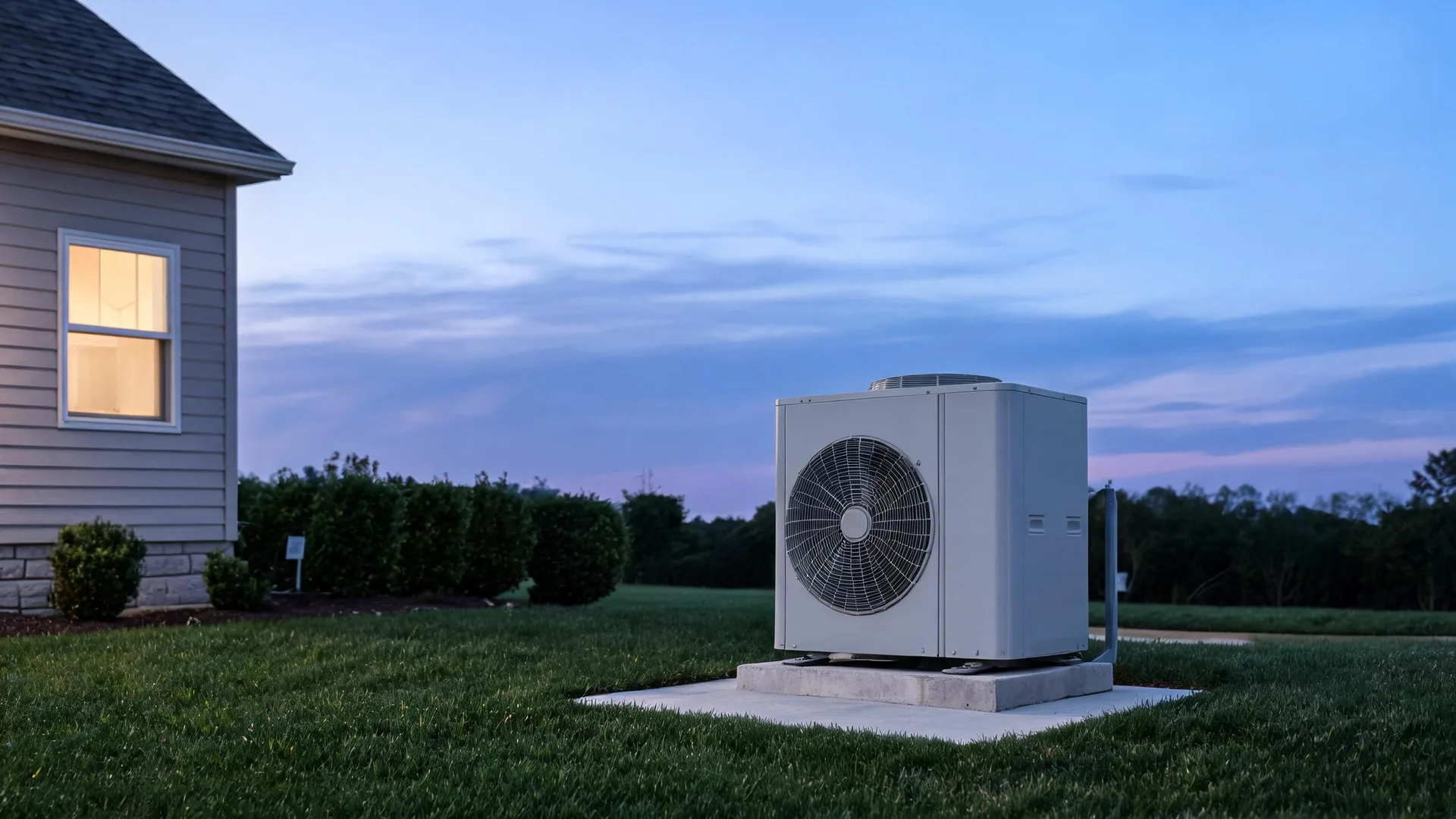
An outdoor air conditioning condenser unit positioned beside a blue-sided house at sunset.

A new air conditioner would cut about $60 a year off cooling for a typical West Baton Rouge Parish home.

  • A new one at the federal minimum, 14.3 SEER2$470 a year
  • An older air conditioner$530 a year

Estimates for a typical West Baton Rouge Parish home, compared with an older unit built to the previous federal minimum, from EIA household energy data, Louisiana fuel prices and NOAA climate normals. Your home will differ.

Repair makes sense when a part like a capacitor or contactor has failed.

Replacement makes sense when the compressor has failed or the system uses R-22 refrigerant, which is no longer made.

A diagnostic visit starts with the tech asking what you've noticed, when it started, and whether anything changed right before it did. From there they check the basics first: the filter, the thermostat settings, the breaker. Then they move to gauges, hooking up a set to check refrigerant pressure against what the system is supposed to run. They'll check amp draw on the compressor and the fan motors, since a motor pulling too many amps is working harder than it should. They test the capacitor directly rather than guessing from symptoms, because a weak one can still let the system start some of the time. Airflow gets checked too, at the coil and the return, since restricted airflow shows up as problems that look electrical but aren't. By the end they can usually point to the one part that failed and explain why, rather than just telling you something's wrong.