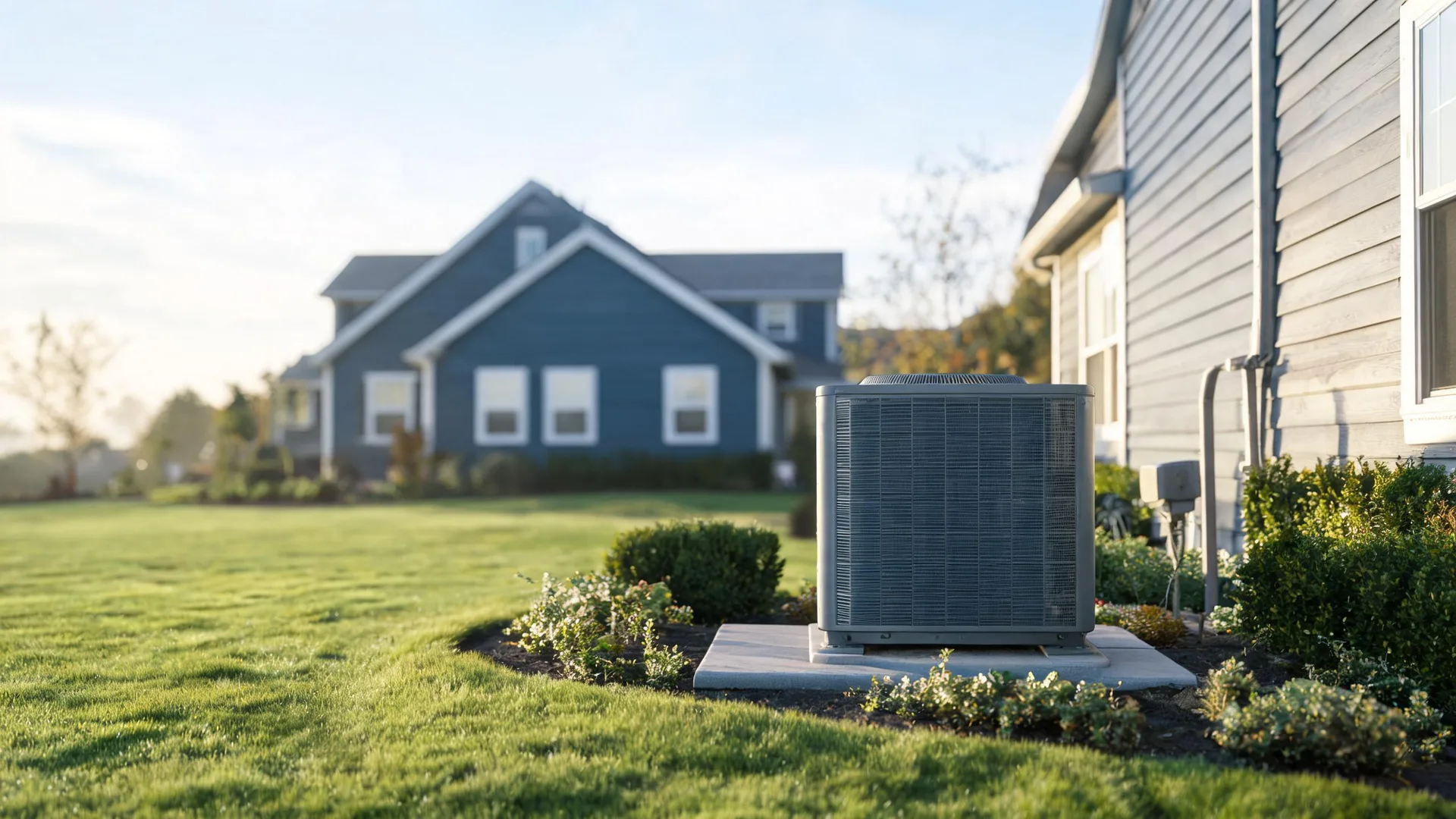
An overhead view of a residential air conditioning condenser unit mounted on a concrete pad next to a house with vinyl siding.

AC Repair in Chalmette, LA

Tell us about the job

Takes about a minute. No obligation.

RepairCentral ACSt. Bernard Parish, LA
Step 1 of 2

What ZIP code is the job in?

Seven months of straight work

An air conditioner in Chalmette runs from April through October, with afternoon highs averaging 89°F through June, July and August. The dew point averages 75°F those same months, higher than most of the country sees, which means the system has to pull more moisture out of the air to keep a house comfortable. That's a long stretch with no real break for the compressor or the coils.


What that means for a repair call

A system under that kind of load wears sooner than the same unit would somewhere milder, and small problems don't stay small for long. A weak part that might limp along for a season up north tends to fail outright here. Whatever's going on with your AC right now, a proper diagnosis matters more than a quick guess, because the real cause is usually tied to how hard this climate runs the machine.

7 months
April through October, your air conditioner is on duty
89°F
the average summer afternoon it cools against
10 wind events
in ten years, and wind drives debris into outdoor units
Isometric cutaway illustration of a single-story house showing interior ductwork and an air handler connected by lines to an outdoor condenser unit on a pad beside the building.
Your air conditioner works hardest from May through September.

NOAA nClimDiv, 1991–2020 normals

April is when cooling starts in St. Bernard Parish, going straight from mild to the first real load of the year.

A part that barely held on last October gets tested again in the first warm week, and that's when it gives out.

Ten years of storms and wind, one outdoor unit taking the hit

29 severe weather events from 2015 to 2024
49% of homes statewide lost power a day or more in 2024
10 damaging wind events from 2015 to 2024
A Newer System, Still Worth FixingHalf the homes in St. Bernard Parish were built in 1981 or later.

Electricity here runs 12.32 cents per kilowatt-hour, cheaper than most of the country pays. That's one thing working in your favor, but it doesn't mean a struggling AC is free to ignore. A unit low on refrigerant or fighting a weak capacitor pulls more power to do the same job, and a machine running most of the year puts that extra draw on a lot of bills, not just one. Low rates help, but they don't cancel out a system working harder than it should. Fixing what's wrong now keeps that advantage instead of eating it up.

Get it diagnosed properly

Your air conditioner works hard here, and that's usually what's behind the problem. Have it diagnosed properly so the fix lasts.

Find a contractor
A gray residential air conditioner condenser unit mounted on a concrete pad in an open grass field.

Why Waiting It Out Costs More Than Fixing It

A system that's low on refrigerant or losing airflow doesn't fail all at once. It struggles first. The compressor runs longer to hit the same temperature, the coil gets colder than it should, and ice starts building where it shouldn't be. Keep running it in that state and the ice spreads, which blocks airflow even more and makes the compressor work harder still. That's how a cheap fix turns into a compressor replacement. Same with a failing capacitor. It might still kick the fan on most times you ask it to, but the motor is pulling harder to start each cycle, and that strain shortens its life every time. A refrigerant leak behaves the same way. It won't fix itself, and running the system low on charge for weeks or months stresses the compressor far more than the leak itself ever would. The parts of this machine are built to run under a steady, correct load. Ask them to keep going under a bad one and the damage compounds instead of holding steady.

What you can check yourself

Look at the thermostat first. Make sure it's set to cool and set below room temperature, and check the batteries if it's got a screen that's dim or blank. Go to the breaker panel and see if the breaker for the outdoor unit has tripped. Check the air filter and swap it if it's gray or caked, since a clogged filter chokes airflow and can cause the whole system to work wrong. Walk outside and look at the condenser. Clear away leaves, grass clippings or anything blocking the sides of the unit. Inside, check for water around the indoor unit or a shut-off float switch that's tripped, since a clogged drain line will stop the system cold on purpose to protect against overflow.

What tells you to stop and call

Ice on the refrigerant lines or the indoor coil means something's wrong enough that running the system longer can damage the compressor. A hissing or bubbling sound near the lines points to a refrigerant leak, and that's not something to keep running on. Water pooling at the indoor unit after you've cleared the drain line means the problem is past a simple fix. If the outdoor unit hums but the fan doesn't spin, or it clicks and shuts off without starting, the capacitor or the motor has likely failed. Any of these are jobs for someone with gauges and the training to open the system safely, not something to keep testing on your own.

Aerial view of a residential air conditioning condenser unit mounted on a concrete pad next to a house with vinyl siding and a sliding glass door.

A new air conditioner would cut about $80 a year off cooling for a typical St. Bernard Parish home.

  • A new one at the federal minimum, 14.3 SEER2$490 a year
  • An older air conditioner$570 a year

Estimates for a typical St. Bernard Parish home, compared with an older unit built to the previous federal minimum, from EIA household energy data, Louisiana fuel prices and NOAA climate normals. Your home will differ.

Repair makes sense when a part like a capacitor or contactor has failed.

Replacement makes sense when the compressor has failed or the system uses R-22 refrigerant, which is no longer made.

A diagnostic visit starts before any panel comes off. A tech will ask what the system was doing right before it quit, run the thermostat through its paces, and watch the unit start up if it'll start at all. Gauges go on next to check refrigerant pressure, because that number points to a leak, a bad compressor, or airflow trouble long before anything gets taken apart. Electrical testing comes next: the capacitor, the contactor, the wiring at the disconnect, checked with a meter rather than guessed at by eye. Airflow gets checked too, at the filter, the coil, and the vents, since a system can have a full charge of refrigerant and still fail to cool if air isn't moving through it. The visit ends with a straight answer: what failed, why it failed, and what fixing it involves, before any repair starts.