





A white Southern-style house with a wraparound porch photographed at night, surrounded by Spanish moss-draped oak trees lit by landscape lights.

AC Repair in Thibodaux, LA

Tell us about the job

Takes about a minute. No obligation.

RepairCentral ACLafourche Parish, LA
Step 1 of 2

What ZIP code is the job in?

A struggling compressor is the clearest case. If the charge is low or the condenser coil is caked with dirt, the compressor works harder to do the same job, and it builds up heat it can't shed. Keep running it that way and the windings can burn out, which turns a repair into a full replacement. A weak capacitor causes a similar chain of events. It makes the compressor and fan motor strain on startup, and every extra start without a good capacitor wears the motor down a little more. Ice on the indoor coil is another one people misread as minor. Once ice forms, airflow drops further, more of the coil ices over, and liquid refrigerant can end up heading back to the compressor instead of absorbing heat like it should. None of these fix themselves by running longer. They get worse the longer the system stays on, and what started as a part worth replacing can end up taking the compressor with it.

7 months
April through October, your air conditioner is on duty
90°F
the average summer afternoon it cools against
16 hail events
in ten years, and hail bends the fins on outdoor coils
16 wind events
in ten years, and wind drives debris into outdoor units
Isometric illustration of a cutaway house showing interior ductwork, an indoor air handler and furniture, connected by lines to an outdoor condenser unit on a pad.
Your air conditioner works hardest from May through September.

NOAA nClimDiv, 1991–2020 normals

Your AC runs about seven months a year here, April through October.

That's seven months of afternoons near 90 degrees with heavy, wet air, and the system doesn't get much of a break to show you what's wrong before it gets worse.

March is the month to find out your AC didn't make it through winter fine

Cooling runs April through October
Summer afternoons average 90°F
Power here costs 11.91 cents per kilowatt-hour

Electricity here runs 11.91 cents a kilowatt-hour, cheaper than most of the country. That helps, but it only goes so far when the unit itself is working against you. A system low on charge or fighting a failing capacitor pulls more power to do the same job, and it keeps pulling that extra power every day it runs without a fix. A low rate on a system working twice as hard still adds up. Fix what's wrong and you're paying for cooling. Leave it and you're paying extra for the same cooling, month after month.

Get it diagnosed properly

Your air conditioner works hard here, and that's usually what's behind the problem. Have it diagnosed properly so the fix lasts.

Find a contractor
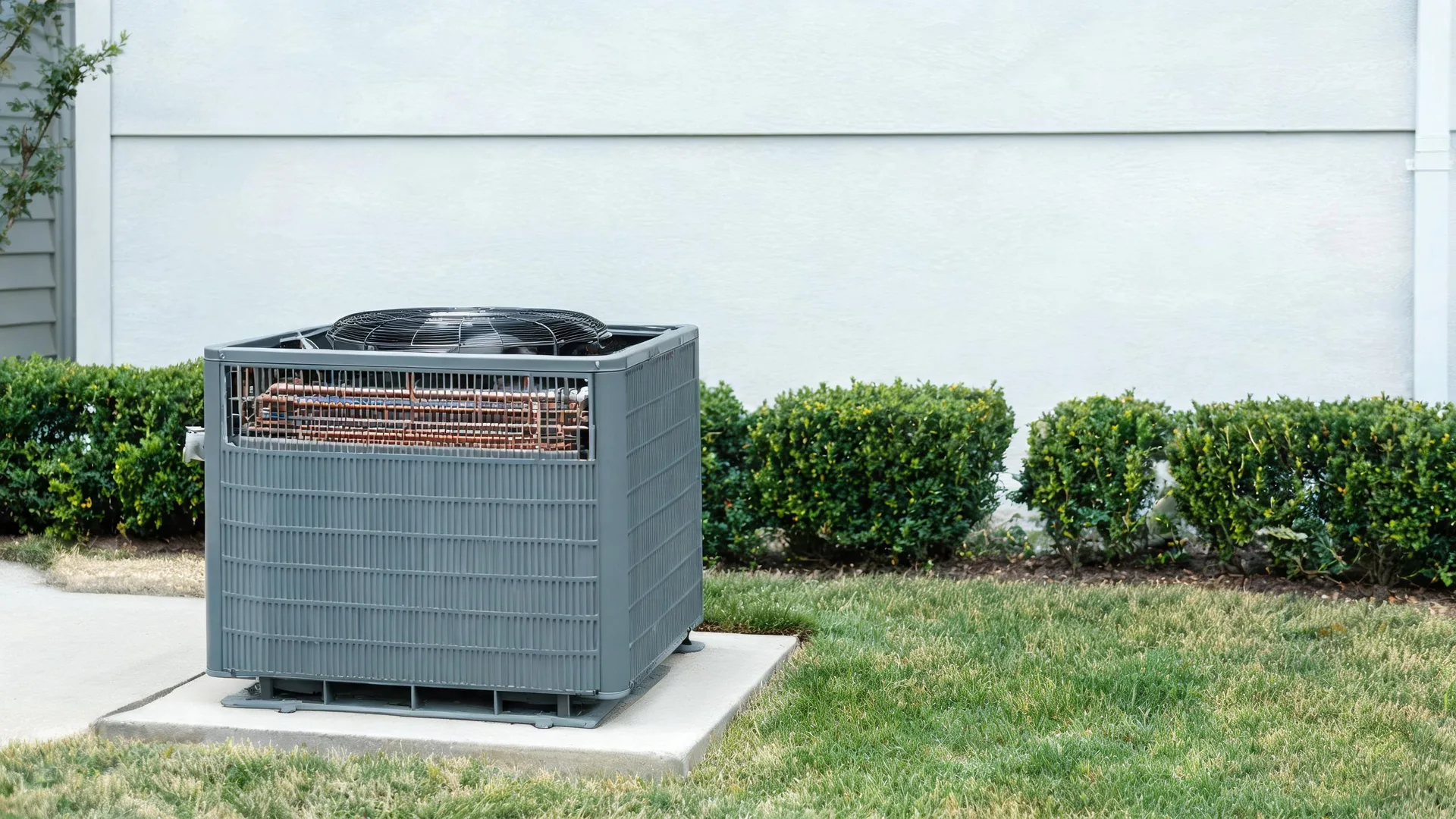
A gray cylindrical air conditioning condenser unit mounted on a concrete pad next to a light-colored vinyl-sided house exterior.

Seven months a year, with no real break

Seven months of running leaves a system no real downtime to recover between hot afternoons. Once something's off, whether that's a capacitor on its way out or a coil losing airflow, it doesn't get a stretch of cool weather to coast through. It just keeps working until the part fails outright. That's the case for having it looked at now rather than waiting to see if it gets worse on its own. A tech checking it while it's still running, even poorly, can catch what's failing before it takes something bigger down with it.

What you'll notice first

Warm air out of the vents when it should be cold, or air moving but barely. Short cycles where it shuts off a few minutes after starting. A hiss or bubbling sound near the indoor coil. The outdoor unit running constantly without the house ever quite cooling down. A smell when it kicks on, or water pooling near the indoor unit. Any one of these means something specific is failing, not that the system is just old or tired.

What to do when you see it

Shut it off if you see ice on the lines or water where it shouldn't be, and call for a diagnosis rather than waiting to see if it clears up on its own. Running a system with low airflow or low charge doesn't give it a chance to recover, it just pushes a failing part toward failing completely. Catching a bad capacitor or a dirty coil early is a repair. Catching it late, after the compressor's taken the damage, is not.

Overhead view of a gray residential air conditioning condenser unit mounted on a concrete pad beside a house with asphalt shingle roofing.

A new air conditioner would cut about $80 a year off cooling for a typical Lafourche Parish home.

  • A new one at the federal minimum, 14.3 SEER2$510 a year
  • An older air conditioner$590 a year

Estimates for a typical Lafourche Parish home, compared with an older unit built to the previous federal minimum, from EIA household energy data, Louisiana fuel prices and NOAA climate normals. Your home will differ.

Repair makes sense when a part like a capacitor or contactor has failed.

Replacement makes sense when the compressor has failed or the system uses R-22 refrigerant, which is no longer made.

A repair is worth it when the part that failed is separate from the parts still working right. A capacitor, a contactor, a fan motor, a blower wheel, these fail on their own and replacing one doesn't say anything about the rest of the system. The compressor is different. It's the most expensive part to replace and usually the reason people start pricing a whole new unit instead. If a tech tells you the compressor is going, ask why. Sometimes a compressor just fails on its own after years of normal work. Other times it failed because something cheaper broke first and nobody caught it in time. The age of the unit matters less than what's already gone wrong with it and what that's dragged down with it. A system that's had one or two unrelated repairs over the years is in a different spot than one where each repair seems to lead to the next part failing. That pattern, more than any single number, is what tells you whether you're fixing a system or just delaying the same decision.