Running clean
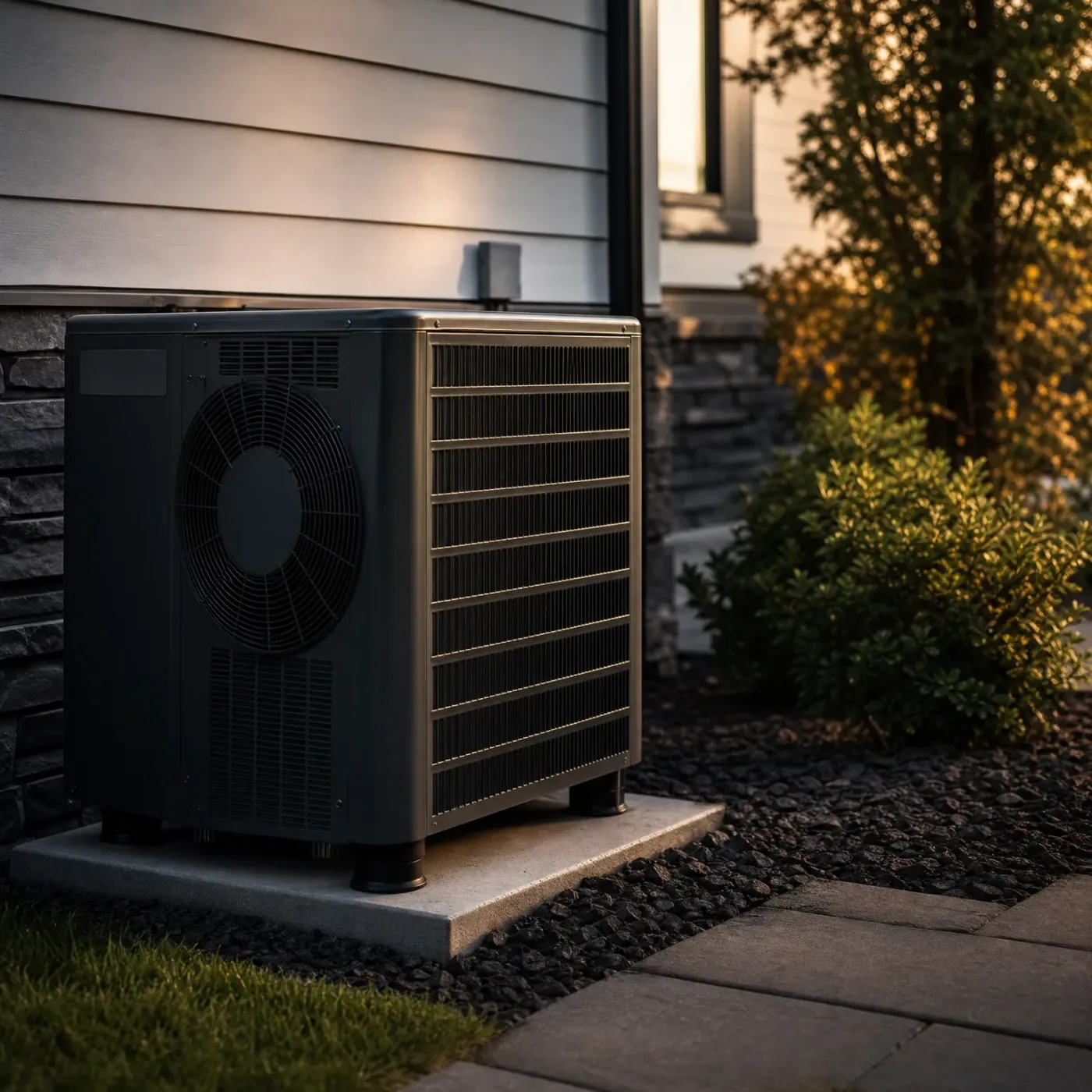
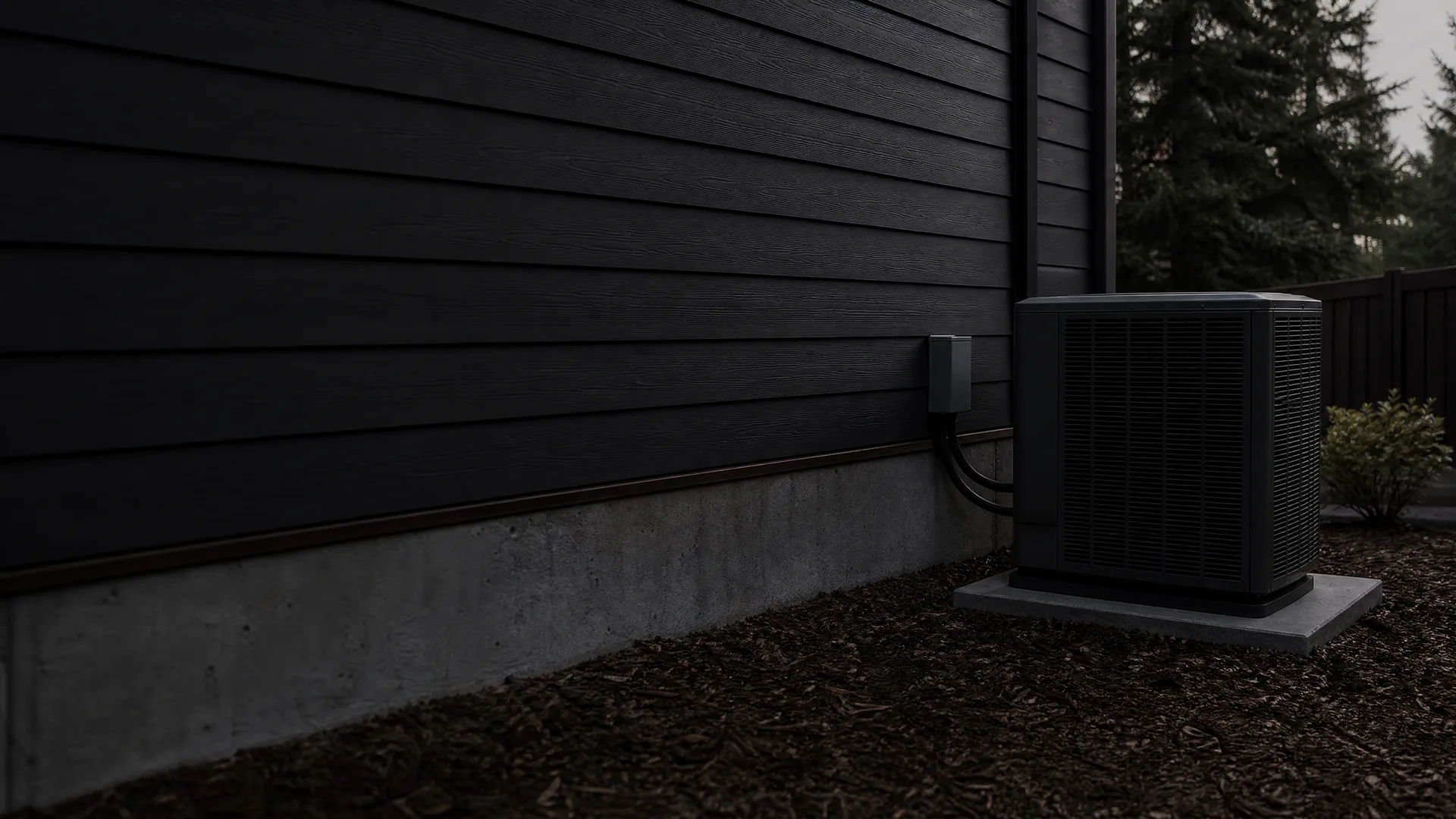
A unit like this, sitting out by the wall with clear lines and a clean grille, is moving air the way it's supposed to. Nothing is blocking the coil, so it isn't working harder than it has to just to keep up with the Slidell heat.
Get matched with a heat pump pro in St. Tammany Parish
A heat pump in Slidell runs most of the year, cooling through the long muggy summer and handling the mild winters too, so the wear adds up differently than it would further north. How many years you actually get out of one depends on the unit, the install and how it's been run. A local contractor who services these year-round can look at yours and tell you where it stands.
Find my proA heat pump in Slidell typically lasts 12 to 15 years. It works harder here than it would in a place with a real winter, because it runs as the only heating and cooling system in the house, all year, with barely a break between the summer cooling load and the mild winter heating load. That steady run time wears on the compressor faster than a system that gets to idle for a few months. Most homes here heat with electricity through the heat pump itself, so when it starts struggling, you feel it twice: higher bills and a house that doesn't hold temperature the way it used to. Short cycling, a system that won't hold the thermostat setting, or a jump in your power bill with no other explanation are usually the first signs it's nearing the end rather than needing a simple repair. How close your own unit is to that point depends on how it was installed and maintained, not just its age.




Winter nights average 43°F
Heat here runs November through March, about five months. The other seven belong to cooling. There's no real off season for the unit.
Heat runs November through March
Winter nights average 43°F here, not cold enough to strain the system hard, but cold enough that the heat pump runs most nights it's on.
Cooling runs April through October
Cooling runs April through October, seven months straight. That's more months carrying the load than most other parts of the country ask of one.
NOAA nClimDiv 1991-2020
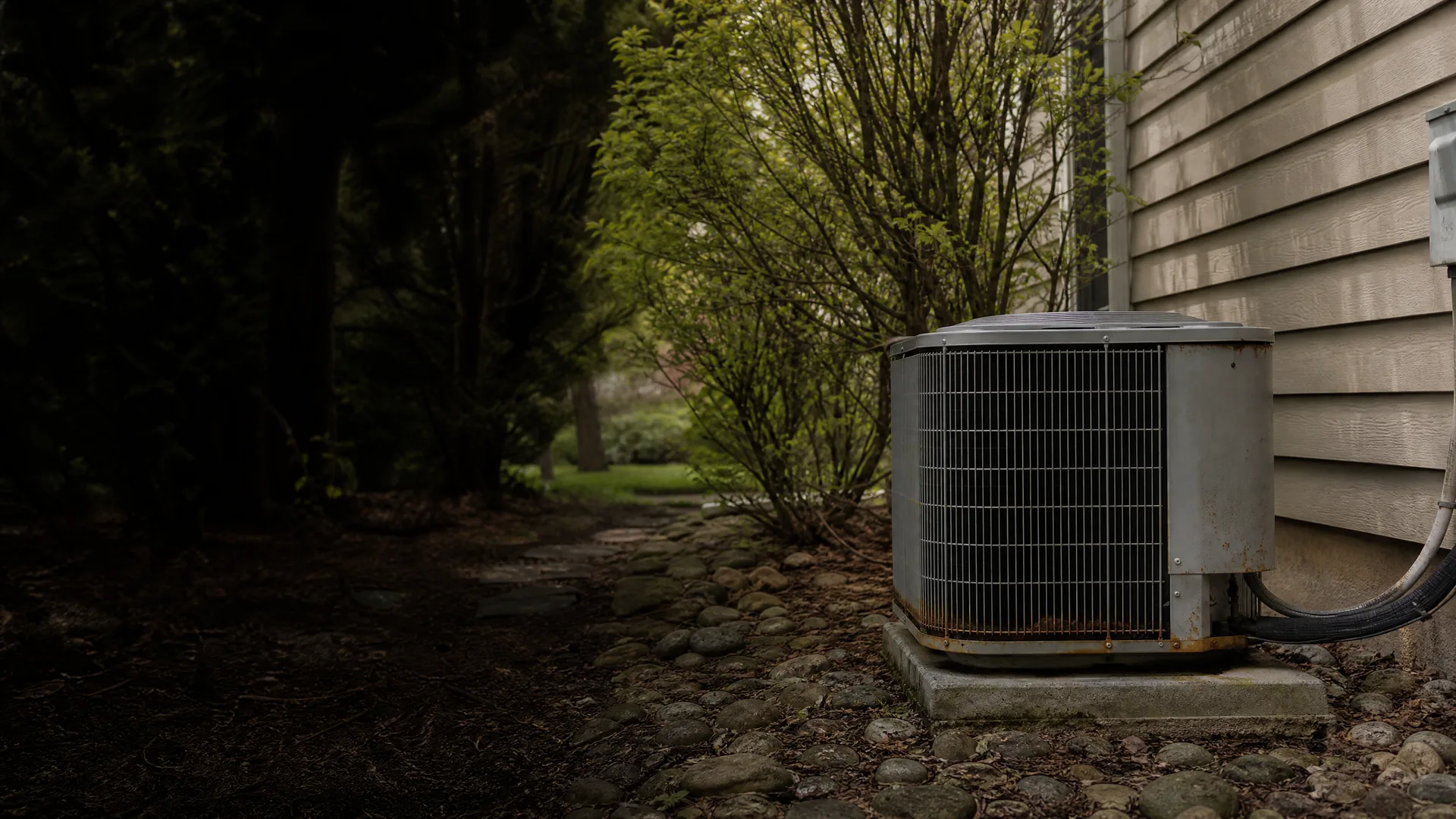
You walk out to the side yard on a mild spring morning to turn the mulch bed over, and the outdoor unit catches your eye. Rust has crept along the base of the cabinet, a line of it right where the metal meets the slab. The coil fins above it look fine. The unit is still running, you can hear it, but that rust line wasn't there last spring. Fourteen years of Slidell summers sitting outside in the wet will do that to the sheet metal. You crouch down to look closer, brush at it with a finger, and it flakes.

A unit like this, sitting out by the wall with clear lines and a clean grille, is moving air the way it's supposed to. Nothing is blocking the coil, so it isn't working harder than it has to just to keep up with the Slidell heat.

That dark, caked grille means the coil behind it isn't getting the airflow it needs. The compressor has to run longer to move the same heat, and through a Slidell summer that strain doesn't let up for months.

A heat pump doesn't make heat the way a furnace does. It moves it. In summer, the reversing valve sends refrigerant one direction and the outdoor coil dumps heat from inside your house into the Slidell air. Below about 40°F outside, that gets harder, because there's less heat in the air to grab. The reversing valve flips, the cycle runs backward, and most houses here lean on electric strips for the handful of nights that actually get that cold.
That valve is the part worth knowing about. It switches every time the system changes between heating and cooling, which in Slidell happens more than most places because the unit never really settles into one mode for long. When it sticks, the system runs backward or won't switch at all, and that's a repair, not a replacement. A contractor who works on heat pumps in St. Tammany Parish year-round has seen that valve fail more than once and knows what it sounds like before it quits. If yours is acting up, getting matched with someone local who already knows this equipment beats starting from scratch with a stranger.


This is a unit moving air the way it should. The grille is open, the conduit runs clean to the disconnect, and the pad underneath is doing its job of keeping the cabinet off the wet ground. Nothing here is fighting itself to keep up with a Slidell summer.

Dust and grime have packed into the grille until the coil behind it can barely pull air through. The unit still runs, but it works harder to move the same amount of heat, and that extra strain is what shortens a compressor's life well before year 12.


If your heat pump is already past the 12 year mark, or you're seeing the rust and short-cycling the sections above describe, the question stops being how much longer it'll run and starts being what happens when it quits in July. A new install matched to your house, the right size for your square footage and your ductwork, won't carry the scars of whatever's been wrong with the old one. A contractor working in Slidell year-round has seen how fast salt air and summer humidity chew through a cabinet here, and sizes and sites the new unit with that in mind rather than going by a chart built for somewhere drier. Sending this request puts your situation in front of one local contractor who installs this equipment in these conditions regularly, not a handful of companies bidding against each other for your number. Fill it out once and let someone who knows what a Slidell summer does to a heat pump take it from there.
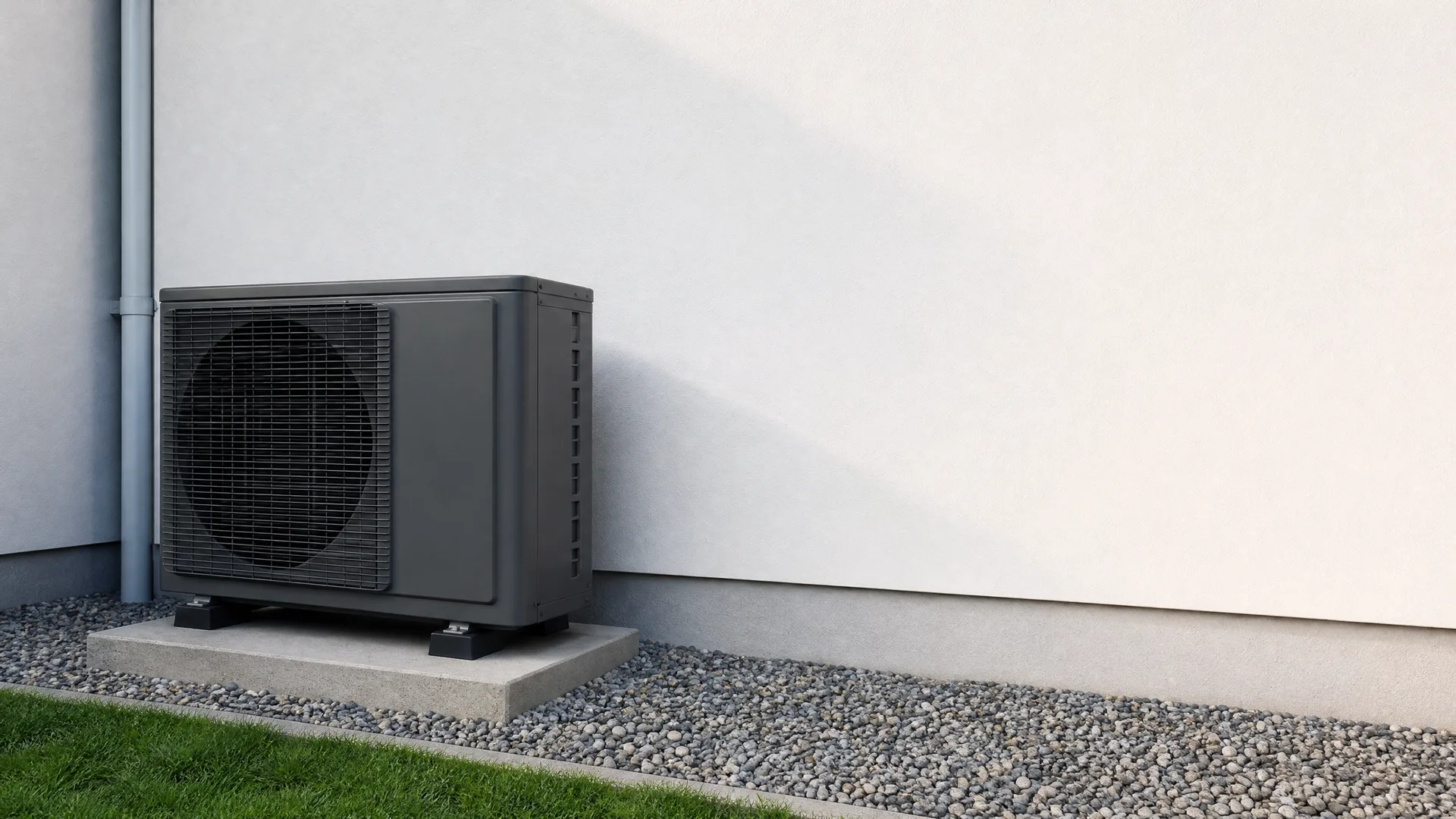
In winter, a heat pump has to reverse itself every so often and melt the frost off the outdoor coil before it can keep heating your house. That's normal, every heat pump does it. But a unit doing it night after night, because the coil's dirty or the charge is low, is putting more hours on the compressor than a clean, properly charged one ever would over the same five months.
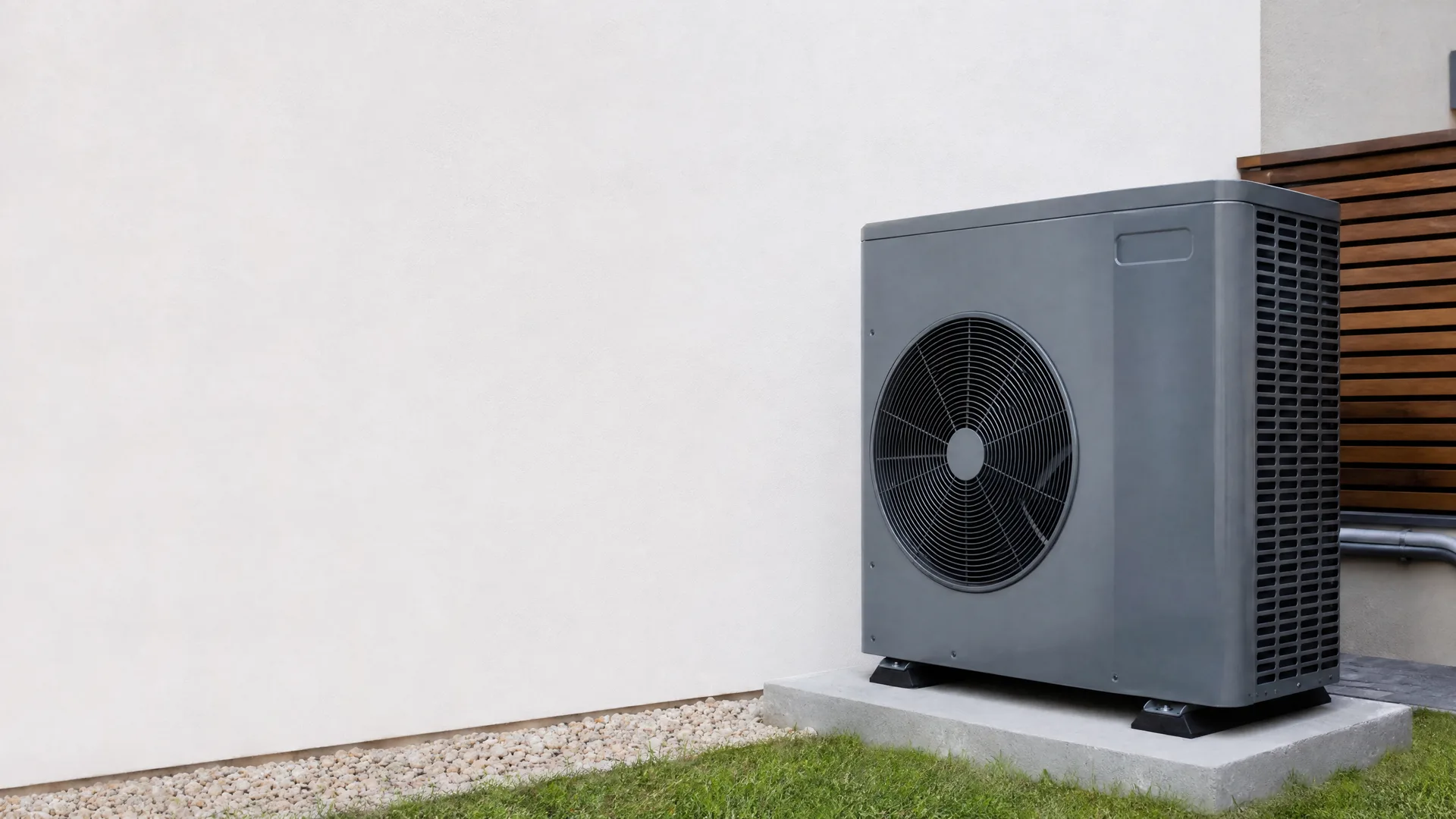
The outdoor unit sits outside all year, and Slidell's air stays heavy with moisture even after the heat breaks. That moisture gets at the sheet metal and the electrical connections inside the cabinet, not just the coil. A unit on a raised pad, with good drainage around it, sees less of that than one sitting where water collects after a storm.
At 12.80 cents per kilowatt-hour, running the heat pump through a Slidell summer doesn't hit your bill the way it would somewhere with pricier power. That matters here because this unit works all year, not just a few months, so the rate it runs on counts more than it would for a system that sat idle half the time.
EIA-861 2025
If the unit is still inside that 12 to 15 year range and nothing's gone wrong yet, there's a case for leaving it alone and just keeping up with it. A coil cleaning and a refrigerant check once a year is cheap next to a new system. You keep the same thermostat setup, the same ductwork, nothing to relearn. The risk is that a heat pump running this many hours a year doesn't always give you much warning before the compressor or the outdoor coil actually fails, so you're betting on timing as much as you're betting on the equipment.
Replacing before a failure means you pick the timing instead of the weather picking it for you. You're not choosing between a working unit and a dead one in the middle of August, you're choosing on a day the old system still runs. A new heat pump sized and installed for a Slidell summer also starts the 12 to 15 years over, instead of you wondering each July whether this is the season it quits. The tradeoff is spending money on a system that, today, is still doing its job.


Twelve to fifteen years is the range, and where your unit falls in it comes down to how it's been run and kept up, not the calendar alone. A Slidell heat pump doesn't get a break. Seven months of cooling, five of mild heating, and the defrost cycle working through most winter nights because the air rarely gets cold enough to shut it off clean. That's the baseline wear every unit here carries. What separates a 12 year unit from a 15 year one is whether the coil's been cleaned, the refrigerant checked, and whether anyone caught the rust at the cabinet base or the short-cycling before it became a compressor problem. Some of that you can see from the side yard. Most of it takes someone who works on these year round to read correctly. A tech who services Slidell heat pumps all season knows the difference between a unit that needs a coil cleaned and one that's done, because they've seen both come through the same week in July. That's the value of working with one contractor who already knows this equipment and this climate, rather than getting a different read from every company that shows up. Whatever your unit's actual number turns out to be, it's not the range above. It's specific to the compressor, the coil, and the maintenance record behind it, and that's worth knowing before you decide whether to keep it running or replace it.
The pro who gets in touch is licensed in Louisiana and works in St. Tammany Parish.