 I'm done searching
Is a heat pump enough for winter in Slidell, LA
Send the form and stop researching installers for the new heat pump.
A heat pump handles winter in Slidell fine. It was built for this. Winters here are mild, and a heat pump moves heat instead of making it, which is all it needs to do when it doesn't get much below freezing. On the coldest nights it works harder, and some models lean on a backup heat strip for a stretch, but the system as a whole is matched to this climate, not fighting it.
Where it gets uneven is the install. A unit sized for a house in Minnesota or sized wrong for yours will run longer than it should, cost more than it should, and still leave a room or two cold. The parish runs mostly on electric heat, and power here is cheap, so a heat pump sized and set up right is usually the cheaper way to heat a house through the winter, not just the greener one.
If yours is struggling, that's usually a sign of the install or the unit, not the technology. Low airflow, a bad refrigerant charge, a thermostat set up wrong for a heat pump, or a system that was undersized when it went in. Someone who installs these every winter in St. Tammany Parish knows which of those tends to show up in houses around here and what a proper install looks like for this climate.
Send the request and the search for that person is off your plate. One licensed local contractor gets matched to the job, someone who works on heat pumps all season and has seen what usually goes wrong with them here, not a list of names for you to call and compare. You can stop thinking about it once the form goes in.
Will my heat pump keep up when it actually gets cold here?
You've seen the forecast dip toward freezing a few nights a year, and you're wondering if the heat pump sitting outside your house can actually handle that, or if you're going to be reaching for blankets while it struggles. It's a fair thing to ask, since a heat pump works differently than the gas furnace you may have grown up with.
Yes, it keeps up, even on the coldest nights Slidell gets.
A heat pump pulls heat from the outside air, and there's still usable heat in that air even when it's close to freezing. Slidell doesn't see the stretches of hard freeze that would push a heat pump past what it can do. On the rare night it drops into the 20s, the unit works harder and runs longer to keep your house at temperature, and that's normal. Many systems also have a backup heat strip that kicks in automatically on those coldest nights to cover the gap. You shouldn't feel a difference inside the house. If you ever do, that's a sign something needs a look, not proof the heat pump can't handle winter here.
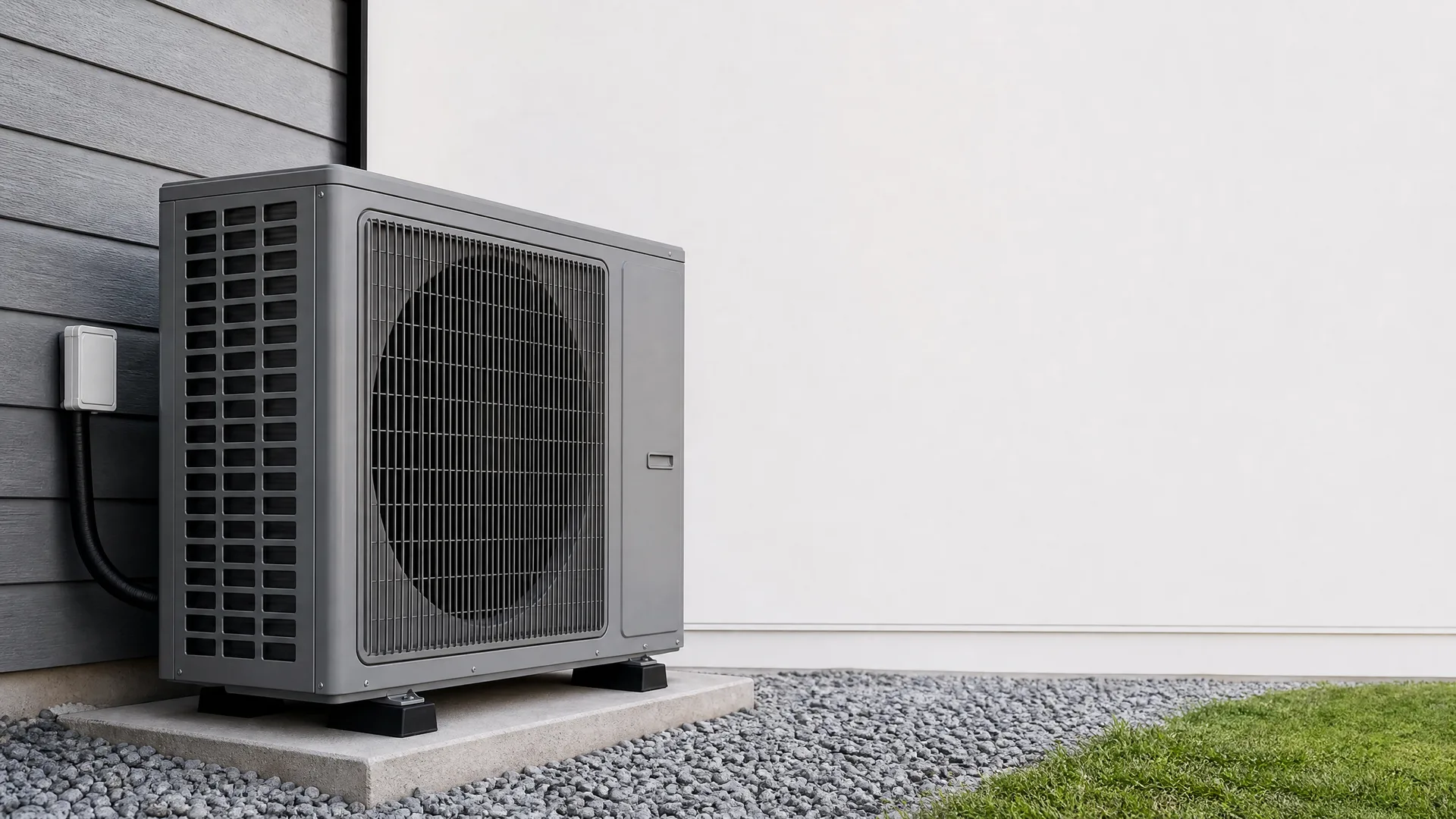
How a heat pump heats
A heat pump does not burn anything to make heat. It pulls heat out of the outside air and moves it inside, even when that air feels cold to you. That works because air still holds usable heat well below freezing. The colder it gets outside, the harder the unit has to work to pull that heat out, which is why output drops some on the hardest nights of the year here, not why it stops.
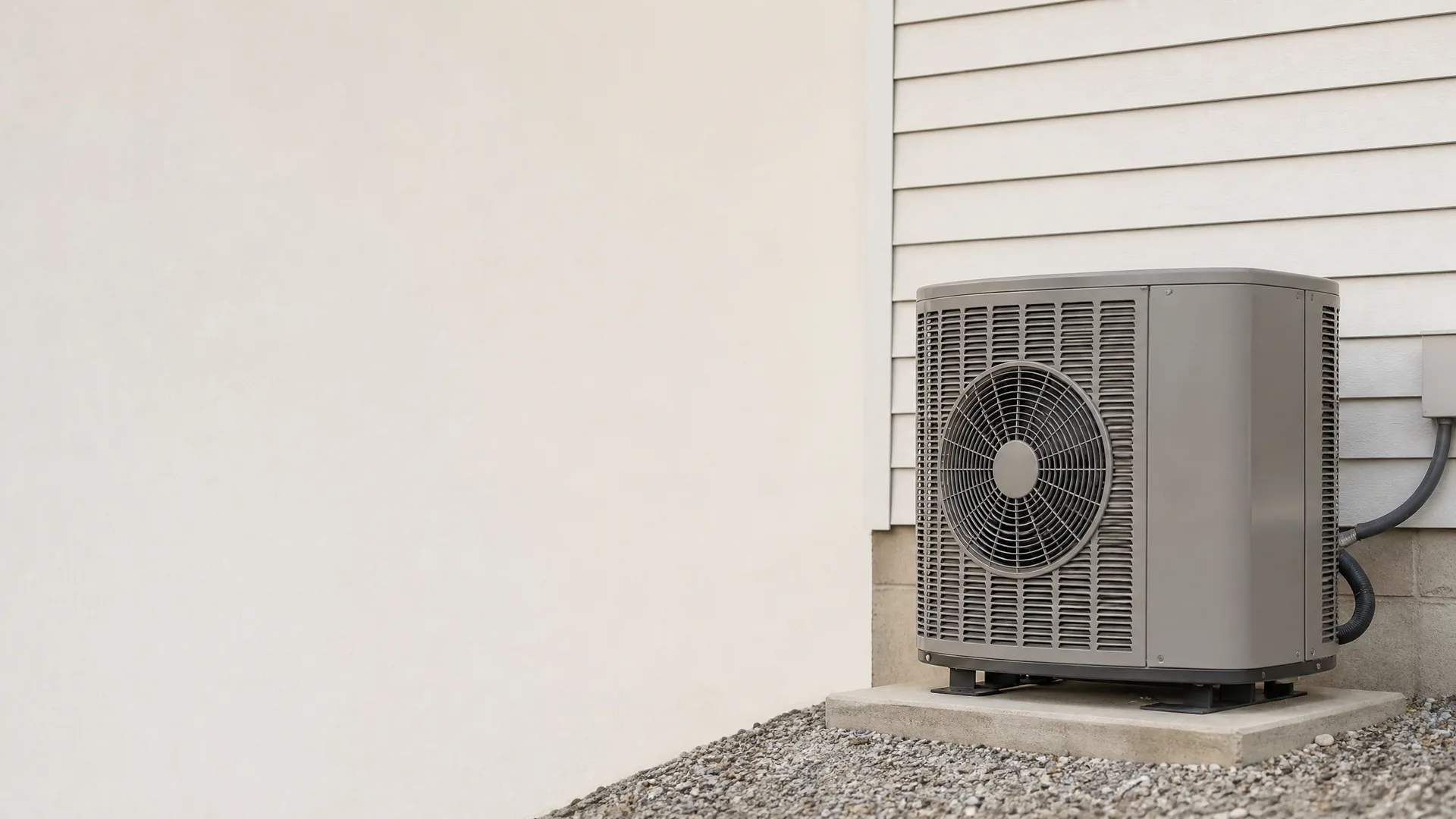
Why backup heat exists
Most heat pumps in St. Tammany Parish pair with electric backup heat strips that kick in only when the outdoor temperature drops low enough that the heat pump alone cannot keep up with the thermostat setting. In Slidell, that happens on a handful of nights a year, not for weeks at a stretch. The strips are built into the system for exactly those nights, so when they run, the system is doing what it was designed to do.
What does winter actually ask of a heat pump here?
Winter nights average 43°F
Winter nights average 43°F A heat pump loses efficiency as the air gets colder, but 43°F is still well within what it handles without strain.
Heat runs November through March
Heat runs November through March Five months of mild duty a year is a light workload for a heat pump, nothing like the stretch it gets through summer.
Cooling runs April through October
Cooling runs April through October Your heat pump spends most of its year cooling, not heating. Winter is the shorter, easier half of its job.
NOAA nClimDiv 1991-2020
A heat pump alone covers almost every cold night Slidell sees. It pulls heat from outside air down into the 30s without trouble, which is as cold as most winters here get.
On the handful of nights that drop near freezing, it leans on backup heat strips to keep up. That's built into the system already, not an extra step you have to manage.




Finding a pro stops being your job
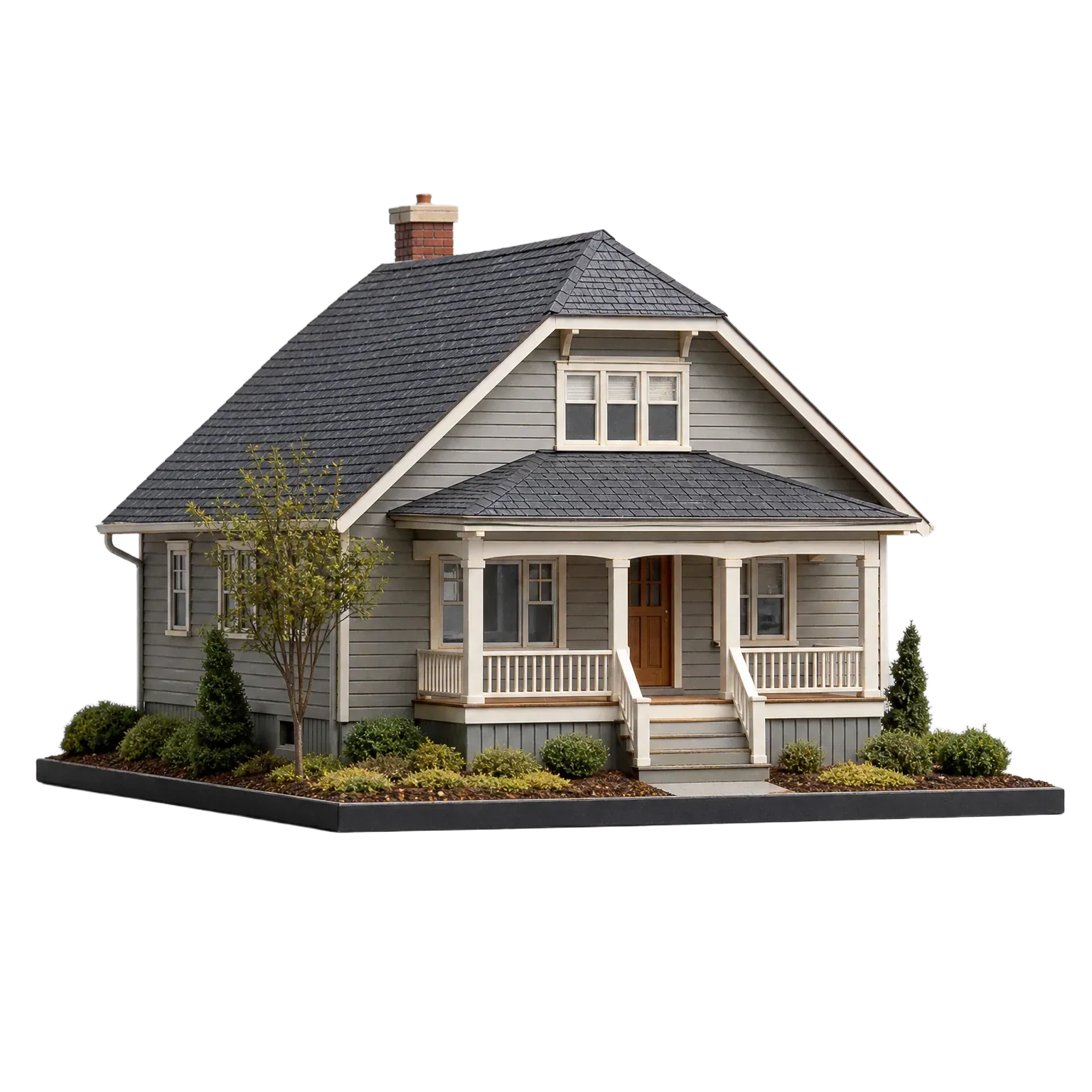
A licensed installer who works in St. Tammany Parish gets your project.
You only hire the pro if you want to.
Defrost and Backup Heat, Explained
- The thermostat calls for more heat and the heat pump's reversing valve stays put, since it's already in heating mode.
- A sensor on the outdoor unit tracks the coil temperature, and the defrost board watches it to decide when frost is building up.
- Below about 35°F, moisture in the air can frost the outdoor coil, which blocks airflow and cuts how much heat the unit can pull in.
- When frost builds, the system reverses briefly, sends warm refrigerant outside to melt it, and the outdoor fan shuts off during that cycle.
- A room sensor or the thermostat itself decides when the backup strips kick in, usually when the heat pump alone can't close the gap fast enough.
- The compressor doesn't shut off during a defrost cycle, it just redirects where the heat goes for a few minutes.
A heat pump in heating mode is moving warm refrigerant inside and cold refrigerant outside, and that doesn't change when the thermostat calls for more heat. There's no valve to flip. The work happens at the outdoor unit instead. A sensor on the outdoor coil feeds a defrost board, and that board is watching for one thing: frost building up on the coil. Below about 35°F, the air holds enough moisture that frost forms on that cold coil, and once it does, airflow drops and the unit can't pull in as much heat.
When the board decides frost has built up enough, the system runs a defrost cycle. Refrigerant flow reverses for a few minutes, sending warm gas out to the coil to melt the frost off, and the outdoor fan shuts off so it isn't blowing cold air across a coil that's trying to warm up. The compressor keeps running the whole time. It isn't resting, it's just sending heat to a different place for those few minutes before switching back.
If the house is losing heat faster than the heat pump can replace it, usually during a defrost cycle or on the coldest nights, a sensor or the thermostat brings on backup heat strips to cover the gap. They're there for exactly those short stretches, not for the whole winter.
Power here costs 12.80 cents per kilowatt-hour
At 12.80 cents per kilowatt-hour, running a heat pump through a Slidell winter costs little next to what gas or oil heat runs elsewhere. Since the system is only pulling heat from mild outside air most nights, not fighting hard cold, your bill stays light almost all season.
EIA-861 2025
A heat pump is enough for winter here. Slidell doesn't ask much of one, and a properly sized system with working backup strips covers every night the forecast throws at it, including the handful near freezing. Where this goes wrong is almost always in the install, not the equipment: a unit sized for a different climate, a defrost board left to guess, backup heat wired in wrong. That's a licensed, local contractor's job, someone who works on heat pumps in this area every winter and knows which of those details actually get missed. Send a request through this page and it goes to one contractor, not a handful competing for the job, so you're dealing with a person who already knows what St. Tammany winters do to this equipment and what they don't. You've got the facts now. If your system is sized and installed right, it will carry you through to March without you thinking about it again.

Heat Pump Installation
Let someone else find the pro

- Get matched with someone who does this kind of work in St. Tammany Parish.
- Your new heat pump project goes to an installer who works in St. Tammany Parish.

- After this form, you can stop searching for a heat pump pro.
- Send it once and finding someone is no longer on you.
- Skip collecting and comparing quotes for the new heat pump.
- Explain the job once and skip repeating it on every call.
- A licensed pro who works in St. Tammany Parish gets your request.
- One installer gets your project, so there's no bidding war over it.