Running clean and keeping up
A heat pump with clear coils and a clean pad moves heat both ways without a fight. In Louisiana that mostly means long summer afternoons, coil exposed to open air, nothing blocking it front or back.
 Get a local pro
Get in touch with a local installer about a new heat pump.
A cold-climate heat pump is built to keep pulling heat out of the air even when the outdoor temperature drops well below freezing. Louisiana doesn't ask that of a system very often. Winters here are mild, and the nights that go below freezing are the exception, not the rule.
That changes the math. A cold-climate model earns its keep where winters are long and hard, where a standard heat pump would struggle for months at a time. Here, a standard heat pump already does the job most of the year without strain.
What matters more in your case is the other side of the equation. Summers in Louisiana are muggy, and your heat pump is working to pull moisture out of the air as much as it's working to cool it. The unit's ability to handle humidity, its sizing, and how well it matches your home will do more for your comfort and your power bill than a cold-climate rating ever would.
Since most homes here heat with electricity already, and power is cheap, the savings a cold-climate unit promises up north don't translate the same way here. The equipment worth paying for in Louisiana is the one suited to heat and humidity, not single-digit winter nights.
Figuring out which system actually fits your house, your ductwork, and how you use it isn't something to guess at. A licensed contractor can look at what you have now, ask about your bills and your comfort, and tell you straight whether a cold-climate unit makes sense for you or whether that money is better spent elsewhere.
Once you send the details, that part stops being your problem. A contractor who works in your area and knows Louisiana systems will reach out and walk through it with you.
You've got a heat pump already, or you're pricing one out, and you keep seeing cold-climate models pushed hard online. They cost more, and you want to know if that extra capability does anything for you here before you pay for it.
A cold-climate heat pump earns its keep in places where the outdoor temperature sits below freezing for weeks at a stretch. That's not what winter looks like here. A standard heat pump already handles Louisiana's cold snaps without losing much capacity, and since most homes here heat with electricity anyway, you're not choosing between electric and gas backup the way colder states do. The muggy summers are where your system does its real work, and a cold-climate model doesn't cool any differently than a standard one. Unless you've got a specific reason to want the extra cold-weather margin, that upgrade is money spent on a problem Louisiana doesn't give you.




Most of the year your system is cooling, and that's where a Louisiana heat pump earns its keep, running long hours against heat and humidity. The winter side rarely gets tested. Maybe the outdoor unit runs on a cold morning and the air coming out doesn't feel quite as warm as the furnace heat you grew up with, or the system leans on backup strip heat for a few nights in January. That's normal operation, not a failing unit. What's worth watching is a system that short-cycles, ices up outside, or runs backup heat constantly even on mild nights. That points to a unit that was undersized or installed wrong, and it will show up on the power bill.

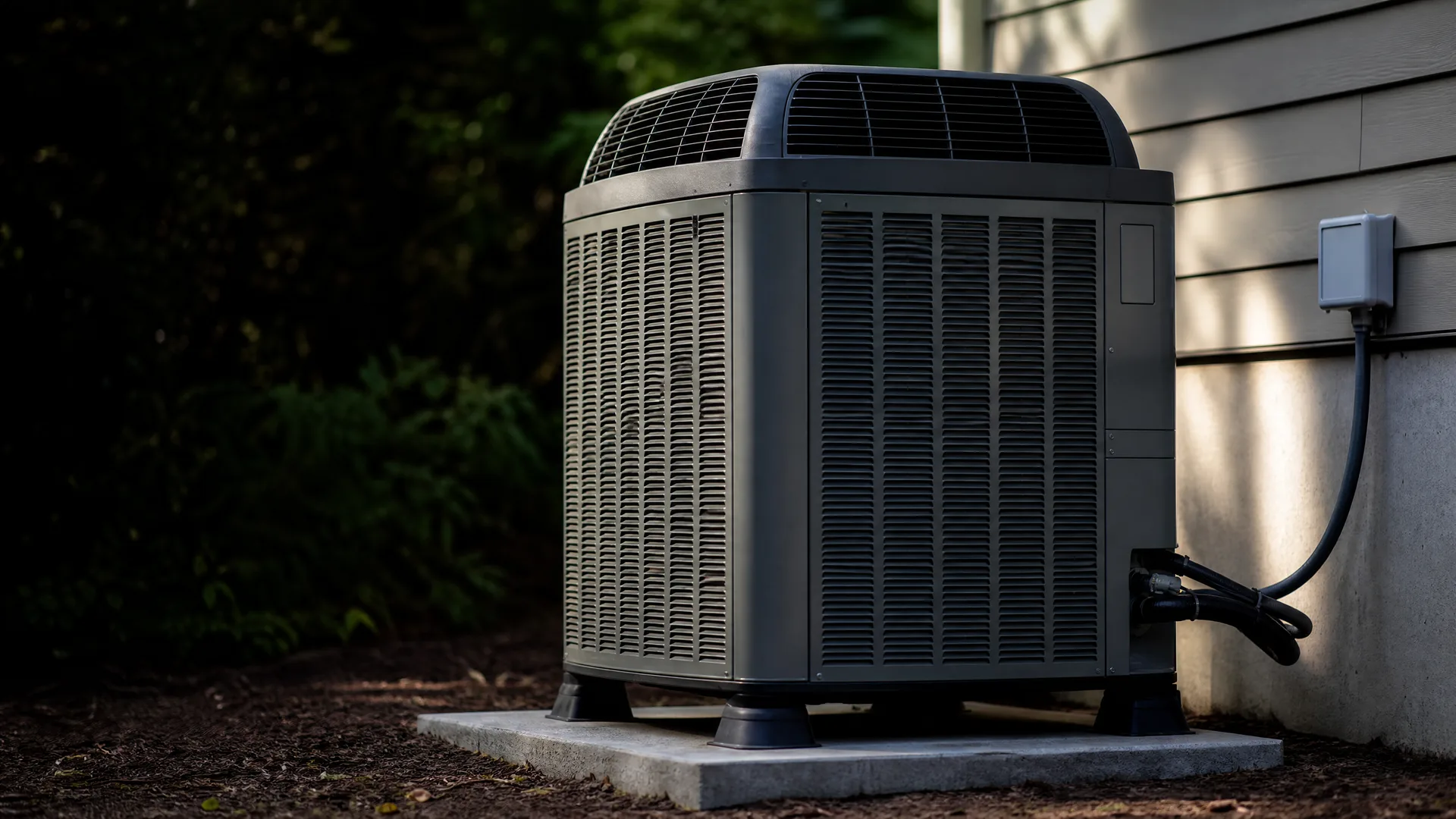
A heat pump with clear coils and a clean pad moves heat both ways without a fight. In Louisiana that mostly means long summer afternoons, coil exposed to open air, nothing blocking it front or back.

Fins clogged like this make the unit work harder to move the same heat, cold-climate or not. A standard system kept clean will outlast a cold-climate one that's choked on dirt.
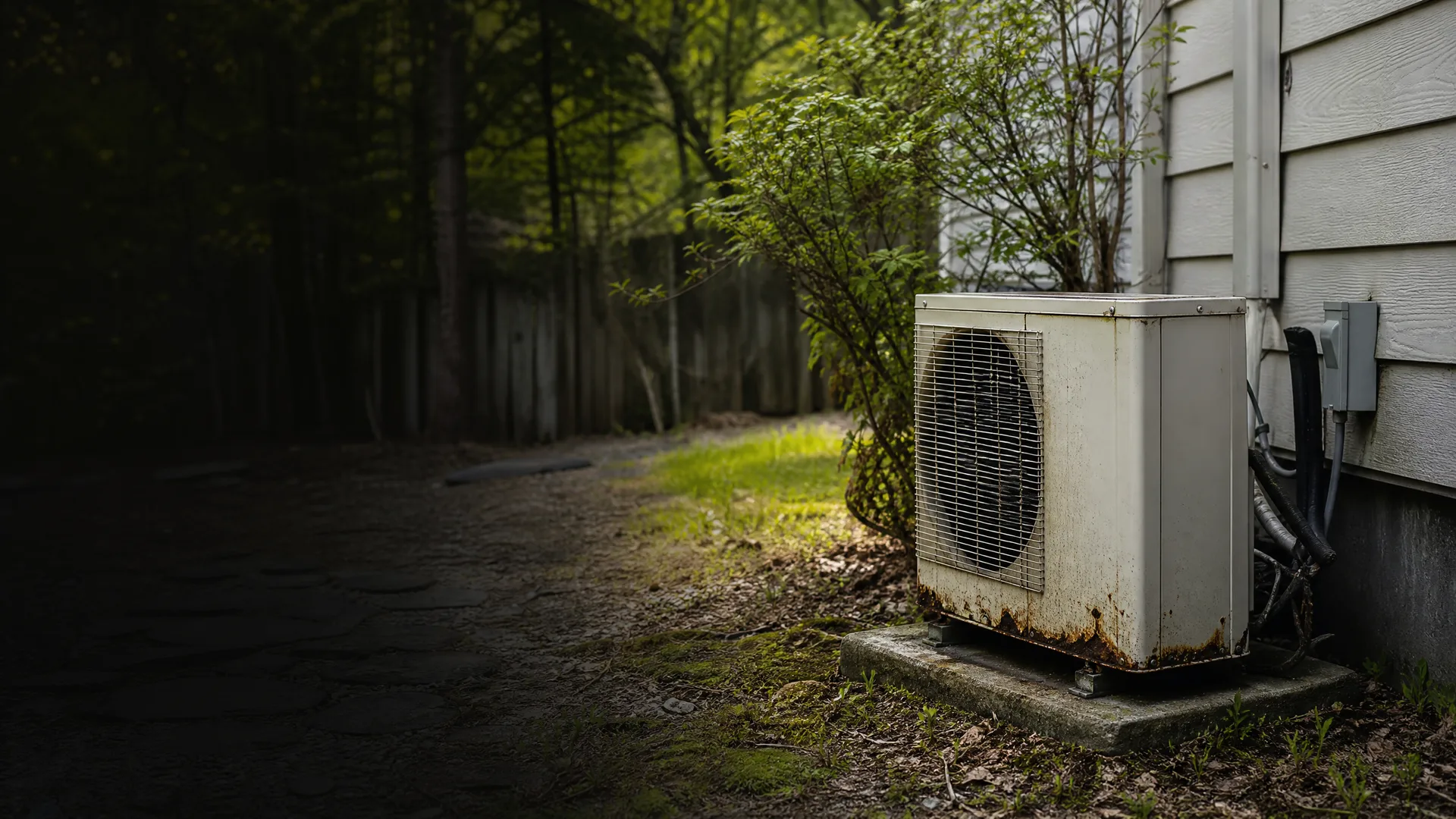
You're out in the side yard on a mild spring afternoon, coiled hose still in hand from washing the pollen off the porch, when you notice the outdoor unit tucked against the fence. Rust has crept along the base, a thin orange line where the metal meets the pad. It's not new. You just haven't stood this close to it in a while. The unit ran all winter without much complaint, mild as it was, and it'll be back to cooling duty soon enough with summer coming. You crouch down, run a finger along the rust, and wonder how long it's been sitting like that, and whether it's just the pad or something underneath starting to go.




Send the form and the search for an installer is over.
There's no charge for the request.
A cold-climate heat pump has a bigger compressor and extra stages built to keep pulling heat at low outdoor temperatures. That hardware costs more whether you ever need it or not. In Louisiana, the nights that would call on it are the ones that dip into the 20s and teens, and most winters here don't hold that cold for long. You're paying for a capability built for a harder winter than the one you get.
A standard heat pump pulls heat down to around freezing without trouble, and that covers most Louisiana mornings. When a hard freeze does come through, a standard system backs itself up with supplemental heat strips to carry the house through those few nights. That's a standard feature, not an upgrade. It means the gap between a standard and a cold-climate unit only shows up a handful of nights a year, if it shows up at all.


Most homes here heat with electricity, so that rate lands on your bill every month you run the heat pump, not just in a January cold snap. At 12.52 cents a kilowatt-hour, a standard system sized right for Louisiana winters costs you less to run than paying extra upfront for cold-climate capacity you rarely call on.
EIA-861 2025 statewide residential average

The coil is open on every side and the disconnect box sits clean against the wall. Air moves through the unit the way it was designed to, so the compressor pulls only the power the job actually needs, summer or winter.

Dirt and debris packed into the coil fins force the unit to work past what the compressor was sized for. It still runs, but it pulls more power to move the same heat, and that strain falls on the same parts a cold-climate model would also depend on.
A reversing valve is what makes a heat pump a heat pump. Flip it one way and the system pulls heat out of your house and dumps it outside, which is cooling. Flip it the other way and it pulls heat out of the outdoor air instead and moves it inside. Same refrigerant, same compressor, just running backward. Outdoor air still holds usable heat down into the 20s and lower, and a standard heat pump is built to pull enough of it to keep your house warm through that range.
Below a certain outdoor temperature, the system can't pull heat fast enough on its own, so backup heat kicks in to cover the gap, usually electric resistance coils. That's normal, not a sign anything is wrong. What matters for your house is whether your current setup has you reaching for backup heat more than it should, or running longer than feels right on an ordinary cold morning. A contractor who looks at your system can tell you whether that's how it's supposed to run or a sign it's falling behind, and that's a different question than whether you need cold-climate equipment at all.

NOAA's data for Louisiana puts the summer dew point at an average of 73°F across June, July and August. That's heavy, sticky air, the kind that sits on your skin even in shade. For your heat pump, that means the coil isn't just pulling down temperature, it's wringing moisture out of the air for hours on end, every afternoon, all summer. You'd notice it as a system that runs long stretches without much of a break and a house that only feels right once the humidity drops, not just the number on the thermostat.
NASA POWER T2MDEW county cells weighted by homes
A standard heat pump sized right for your house handles Louisiana's winters without strain, and it does it on a lower price tag than a cold-climate model built for conditions you rarely see. The extra hardware in a cold-climate system earns its keep somewhere that sees long stretches below freezing. That's not here. If your current system is struggling, the cause is more likely a dirty coil, a blocked disconnect box, or airflow fighting through debris than a limit on how cold it can go outside. Worth checking before you spend more on capability you won't use. Once you send the form, you're done hunting for someone to look at it. A contractor who knows Louisiana systems gets matched to your situation and takes it from there.
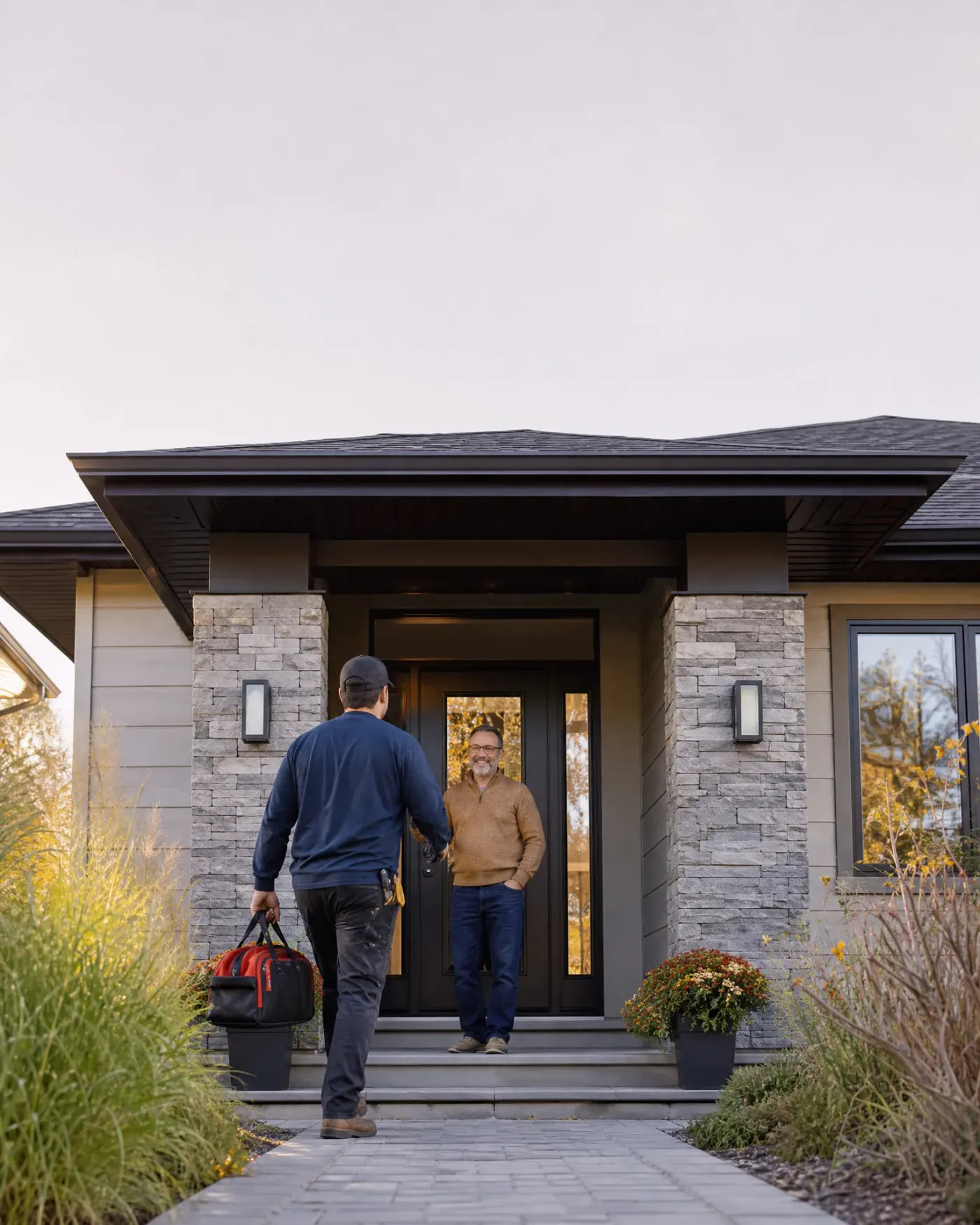
Matched to your heat pump job