3 to 1
A heat pump moves about three units of heat for every one it uses in electricity. Resistance heat strips give you back exactly one. That gap is what keeps your bill lower even with cheap power.
 Skip the calls
Skip the round of in-home estimates for a new heat pump.
Cheap power changes the math on a heat pump, but it doesn't erase it. In Louisiana most homes already heat with electricity, so the question isn't electric versus gas. It's whether a heat pump does the job better than straight resistance heat, and whether it holds up against the humidity here all summer.
A heat pump earns its keep two ways. In winter it moves heat instead of making it, so it uses less electricity than baseboard or furnace strip heat to get a room to the same temperature. In summer it's your air conditioner, and with power priced the way it is here, running it hard on the muggiest days costs less than it would somewhere with a higher rate. Cheap electricity doesn't make the heat pump unnecessary. It makes the savings from running one add up faster.
Where this gets decided is the installation. The size of the unit, the way it's set to switch between modes, and how well it's matched to your ductwork all affect whether you get the efficiency a heat pump is supposed to give you. Get that wrong and you're paying for a heat pump while living with window-unit performance.
Finding someone to do that installation right is its own job. You'd be searching through contractors you don't know, calling a few, explaining your house and your system over again to each one, then sitting on quotes trying to figure out who actually knows heat pumps versus who mostly installs furnaces. That's hours gone before any work starts.
This page connects you to one licensed contractor local to Louisiana, someone who installs and services heat pumps in homes like yours every season and knows how they need to be set up to actually perform here. One call, one conversation about your house, not five voicemails and five different quotes to compare line by line.
Yes, a heat pump is still worth it, even with cheap power here. The reason comes down to how the two kinds of electric heat work. Straight resistance heat, the kind built into a furnace with heating strips, turns electricity into heat at a one to one rate. A heat pump moves heat instead of generating it, so it delivers several times more heat per dollar of electricity than resistance heat does. That gap holds even when the price per kilowatt-hour is low, because the heat pump is still using a fraction of the electricity to do the same job. Where cheap power changes the math is the payback on the equipment itself, not whether the heat pump works harder for you. In a Louisiana summer, the same system is already earning its keep as your air conditioner, running on the same math in reverse. The real question for your house is what shape that system should take and what it should replace.


A heat pump moves about three units of heat for every one it uses in electricity. Resistance heat strips give you back exactly one. That gap is what keeps your bill lower even with cheap power.
On the coldest nights your heat pump may lean on its backup strips, which heat the same way a furnace does. Sizing and setup decide how often that happens.




The pro who reaches out is licensed in Louisiana.
It costs nothing to send, and you don't have to hire anyone.

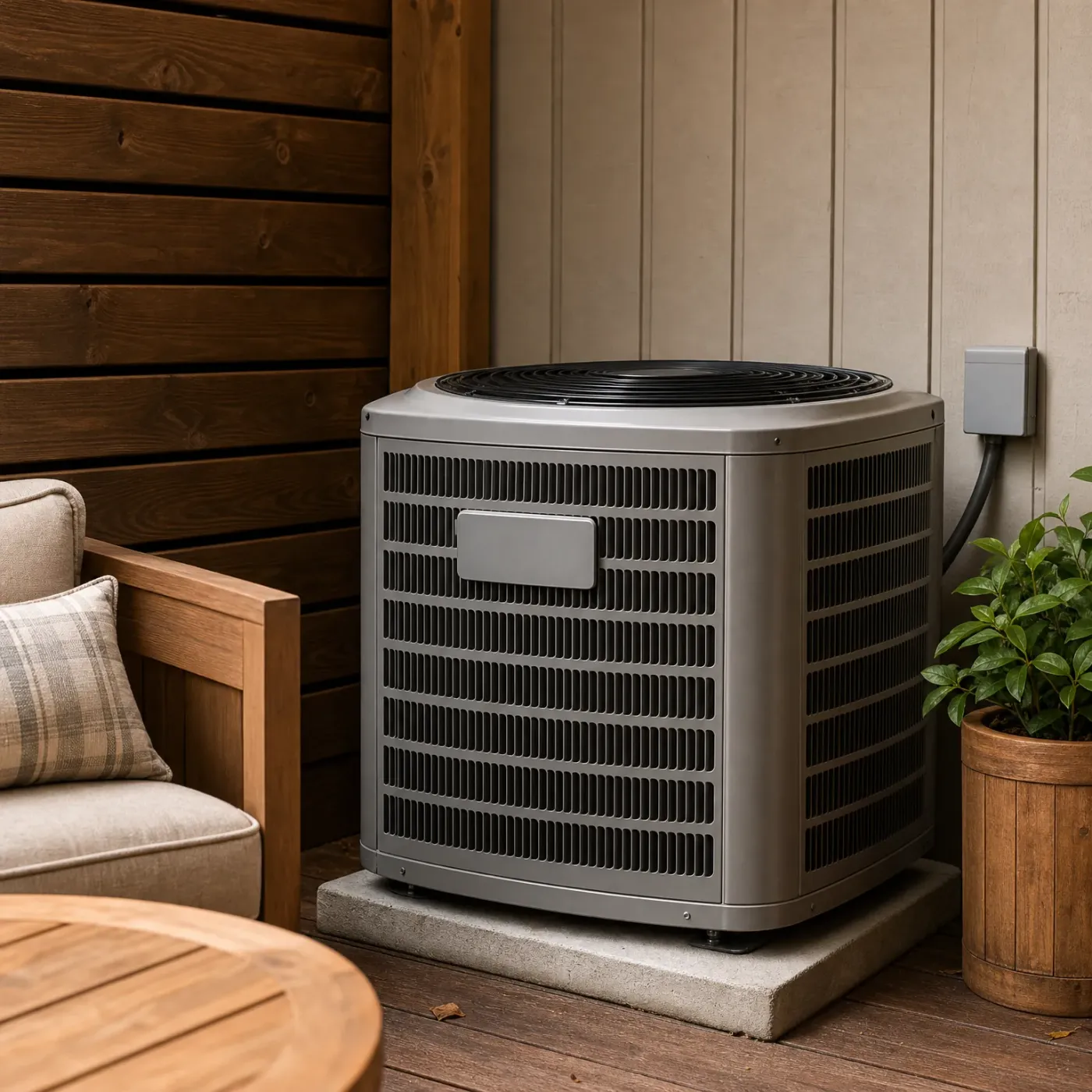
A heat pump working properly pulls heat out of your house all summer and moves it back in come January, using that 3 to 1 advantage to keep your bill down. The outdoor unit should run quietly, cycle on and off with the thermostat, and keep the grilles clear enough for air to pass through.

Grime like this across the grilles blocks airflow across the coil, so the unit works harder to move the same amount of heat. That drags down the 3 to 1 ratio that makes a heat pump worth more than resistance strips, and it can push the system into relying on backup heat more than it should.
If your heat pump is working harder than it should, you'll notice it before you see the bill. The outdoor unit runs long stretches without shutting off, even when it's not that cold out. Air coming from the vents feels cool instead of warm, or the backup strips seem to be running more nights than not. Some rooms stay chilly no matter where you set the thermostat. A unit that's losing its charge or icing over on the coils loses the 3 to 1 advantage that makes a heat pump worth having here, and you end up paying resistance-heat prices for a heat pump you already own.
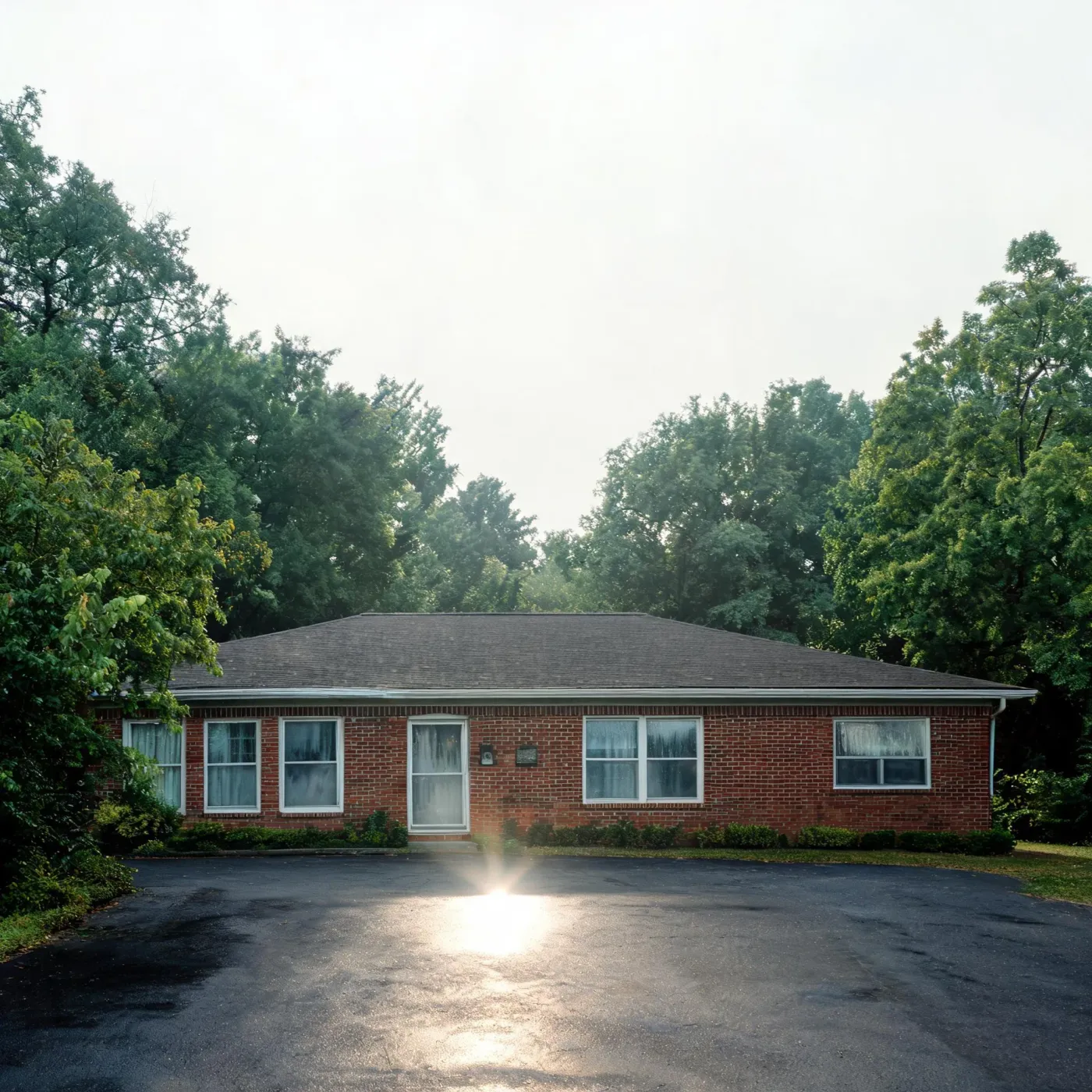
Summer air in Louisiana carries a dew point that averages 73°F across June, July and August, a figure from NOAA climate data. That's thick, sticky air, and it's humidity your heat pump has to pull out of the house along with the heat. A heat pump that's sized and running right handles this fine, the indoor coil wrings the moisture out as it cools. But if the charge is low or the airflow's choppy, you'll feel it indoors first: the house feels cool enough by the thermostat but still clammy, and the unit runs longer stretches trying to catch up.
NASA POWER T2MDEW county cells weighted by homes


A heat pump still wins here, even with what you pay for power. The 3 to 1 advantage over resistance heat strips doesn't go away because electricity is cheap. It just means the gap between a heat pump and straight electric heat shows up as a smaller number on the bill instead of a bigger one. Either way, the heat pump comes out ahead, as long as it's sized and installed to actually hold that advantage.
That last part is where it's won or lost. An oversized or poorly installed unit runs constantly, leans on the backup strips more than it should, and gives back the savings you're supposed to get. A properly matched system cycles the way it's supposed to and keeps the strips as backup, not as a crutch.
This is also why who installs it matters as much as the equipment itself. A contractor who works on heat pumps through Louisiana summers and winters has seen what fails first in this climate and what sizing mistakes cause problems two years down the road. You're not sorting through a stack of quotes from companies that don't know your area. It's one licensed local contractor, familiar with the equipment and the climate it has to run in, giving you a straight answer on what your house needs.

No phone calls to make