A tripped breaker isn't the problem
The breaker is doing its job by cutting power before a short or an overloaded motor causes real damage to your AC.

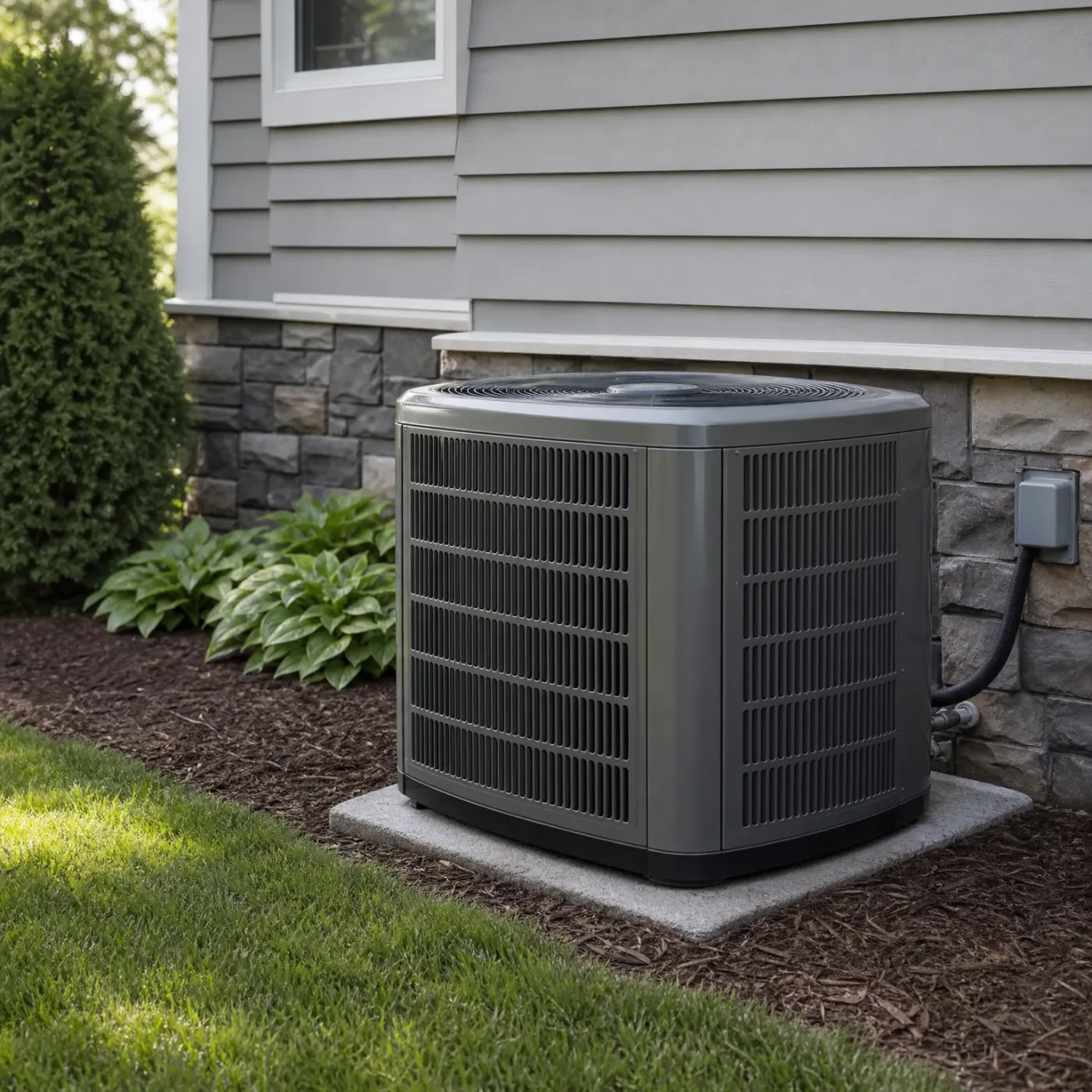
A breaker that trips every time your AC kicks on usually means the system is pulling more current than it should, and something is making it work harder than it was built to. In Slidell's heat and humidity, the compressor and fan motor run long hours all summer, and a weak capacitor, a dirty condenser coil, or a motor on its way out will make the unit draw extra amps until the breaker cuts it off to protect the wiring. A refrigerant charge that's too high or too low causes the same thing. Sometimes the breaker itself has just worn out from years of tripping. None of these fix themselves, and running the system by resetting the breaker over and over risks damage to the compressor, which is the most expensive part to replace. The fix depends on which of these it actually is, and that takes a licensed technician checking amp draw and pressures on your specific unit.


A compressor that's locked up pulls a hard jolt of current the moment it tries to start, and a breaker that's already marginal won't survive that surge. Sometimes the problem is smaller, a run capacitor going bad, which means the compressor's motor never gets a smooth start and ends up pulling more current than the circuit allows. Other times it's airflow. A fan motor that's weak or coated in dirt can't move enough air across the coil, so the compressor fights higher pressure than it should and the amp draw climbs with it. Too much refrigerant in the system, or a line that's restricted, does the same thing from a different angle. Wiring matters too. Loose or frayed connections at the disconnect box or the contactor can short straight against the panel and trip the breaker with no warning at all. And sometimes the AC itself is fine. The breaker has simply aged past the point where it holds its rated load, and it trips at currents it used to handle without issue.


A licensed pro who repairs air conditioners in St. Tammany Parish gets your request.
Skip calling shops to ask who repairs air conditioners in St. Tammany Parish.
Sending the form costs nothing.




The breaker is doing its job by cutting power before a short or an overloaded motor causes real damage to your AC.
If it trips again right after you flip it back on, the cause is still there and a licensed contractor needs to find it.
Notice whether it trips the second the AC starts or only after it's run for a while. A trip right at startup points to the compressor itself. A trip after twenty or thirty minutes points to something building up heat in the system, like a dirty coil or a motor running past what it should. You might also notice the air isn't as cold as it used to be, or the outdoor unit humming without the fan turning. Flipping the breaker back on and watching it trip again right away means the cause is still there. Leaving it on that circuit and resetting it over and over risks damage to the compressor itself, which costs far more to replace than to repair.
Summer air here holds a dew point around 73°F, the figure the National Weather Service uses to measure how heavy and wet the air feels. At that level, the compressor has to move more heat out of a house that's already soaked in moisture, and it runs longer to do it. Longer run times mean more heat building up inside the unit, and a motor running hot pulls more amps than one running cool. If your AC is already marginal on a wire, a capacitor, or a dirty coil, this is the kind of air that pushes it over the edge and trips the breaker.
NASA POWER T2MDEW

A breaker that trips once your AC starts is telling you the system is drawing more current than it should. Whether that's a weak capacitor, a dirty coil, or a compressor on its way out, the fix is the same first step: someone has to open the unit and test it. Flipping the breaker back on and hoping it holds just delays that.
A licensed contractor near Slidell who works on these systems all summer can look at a tripping breaker and know within a few checks what's causing it, because they've seen the same failures in the same heat and humidity on other units like yours. That saves you the part most people dread: calling around to find someone, explaining the problem over and over to each one, and sorting through different quotes for the same job. You'd be working with one local contractor who already knows what to check first.




A licensed pro who works in St. Tammany Parish gets your request.
It costs nothing to send, and you don't have to hire anyone.