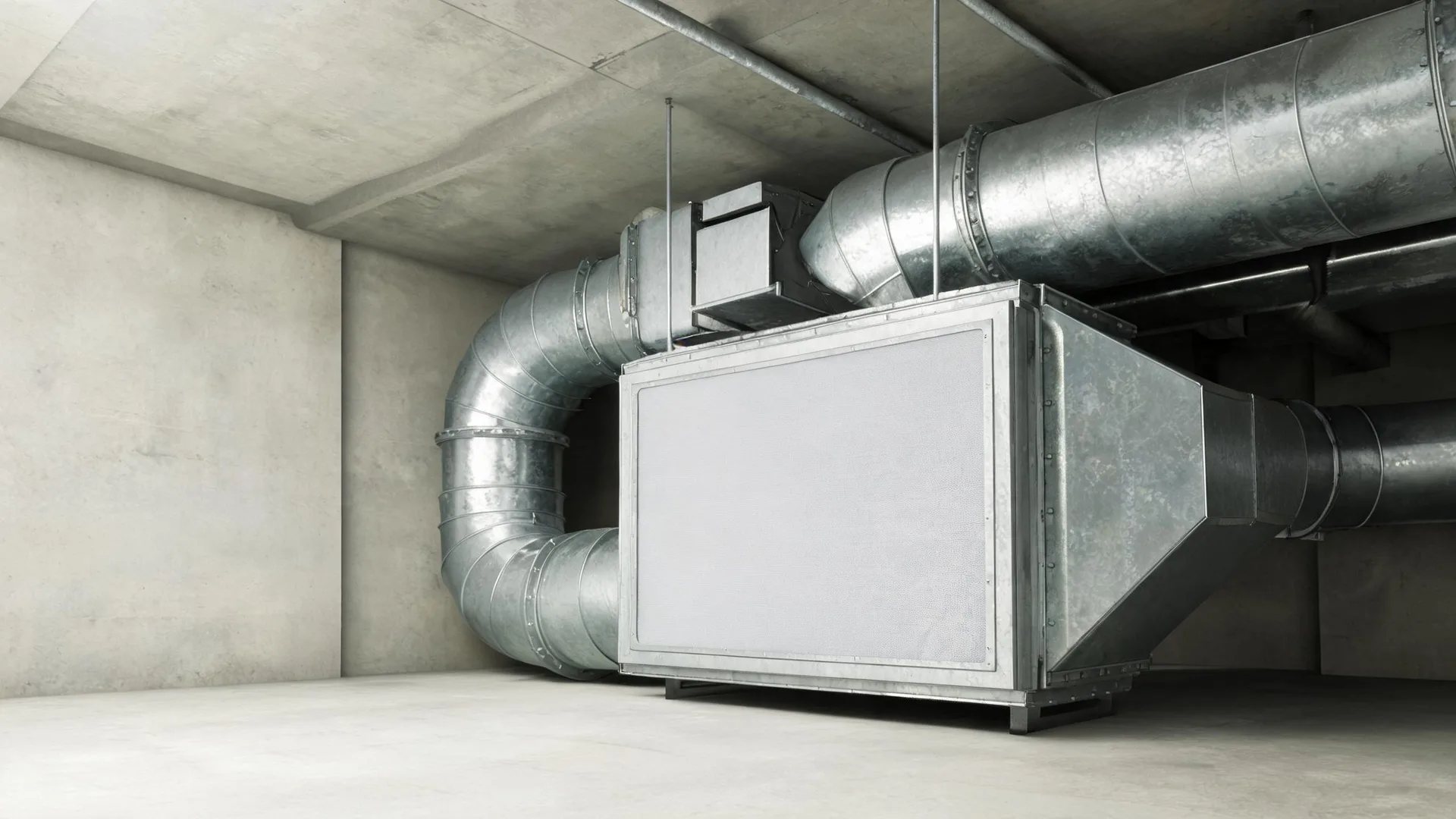
A dirty, strained AC uses more power
A unit running low on refrigerant or clogged with dust has to work harder to cool the same house. That extra work shows up as higher power draw, every hour it runs.
Takes about a minute. No obligation.
A unit running low on refrigerant or clogged with dust has to work harder to cool the same house. That extra work shows up as higher power draw, every hour it runs.
Electricity in West Baton Rouge Parish runs about 12.71 cents per kilowatt-hour. The rate itself is lower than most places pay, but with a long cooling season here, a system working harder than it needs to adds up fast.
NOAA nClimDiv, 1991–2020 normals
West Baton Rouge Parish logged 25 severe weather events between 2015 and 2024, counting wind, hail, tropical storms and more.
An outdoor AC unit sits outside through all of it, so a tune-up should include a look for bent fins, debris, and anything storm season left behind.




Cooling starts up in April here and runs through October. March is the month before that, and it's the better time for a tune-up. The unit is sitting idle, so nothing has to come offline and nothing has to cool down first. Whatever the check turns up gets fixed before the house needs the system every day. A unit with a dirty coil or a low charge in April runs that way for all seven months, not just the one it got noticed in.
A unit low on refrigerant or clogged with dust works harder than it needs to, and that extra draw shows up on the power bill all summer long. A tune-up gets the coil clean and the charge right before that happens.
Find a contractorA system installed within the last several years still has most of its working life ahead of it. A yearly check is what keeps it on that track. The coil stays clean, the charge stays correct, and nothing gets the chance to wear down a part before its time. Skip that for a few years running and a newer unit starts failing the same way an old one does, just sooner than it should have.
A thorough visit means hooking up gauges and checking refrigerant pressure against what the system calls for, pulling the panel to look at the capacitor and contactor, and washing the condenser coil instead of just glancing at it. A quick visit swaps the filter, looks the unit over, and calls it done. Both get written up as a tune-up, but only one tells you whether the system is actually running the way it should.
A tech who checked the charge properly can tell you the pressures they found and the temperature split across the coil. If the answer is just that everything looked fine, nothing was actually measured. Those readings are what catch a slow refrigerant leak or a coil losing its ability to transfer heat before either one turns into a breakdown.
A tune-up checks the refrigerant charge, cleans the coils, tests the capacitor and tightens the electrical connections.
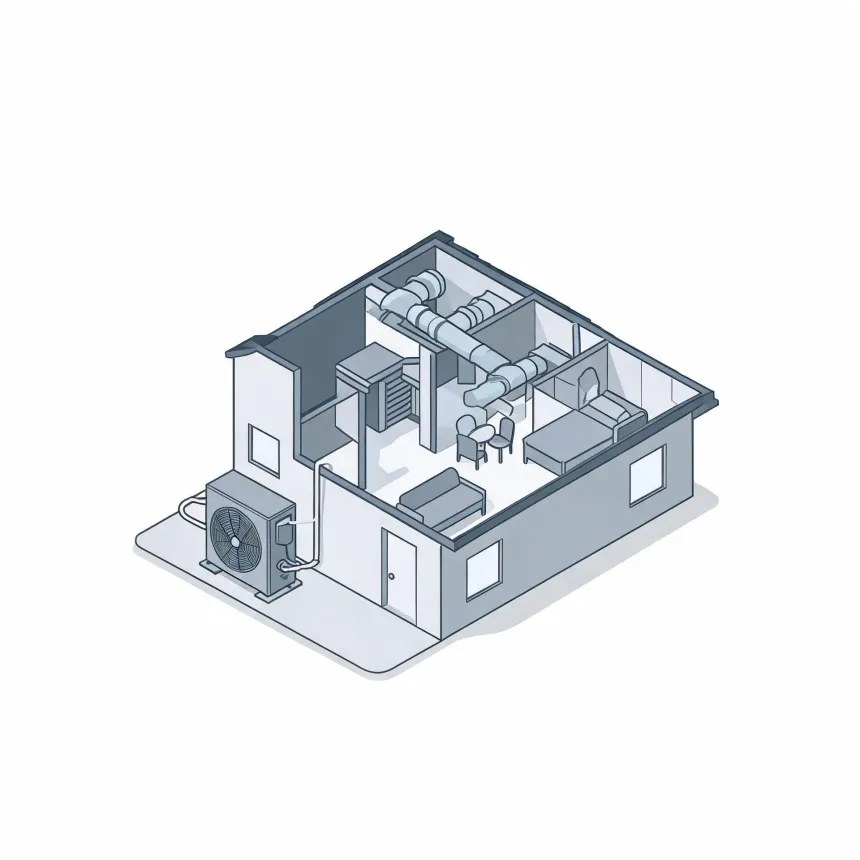
A tune-up starts outside at the condenser. The coil gets washed clean, because a coil caked with dust and grass clippings can't give up heat the way it's supposed to, and the refrigerant stays hotter than it should through that stage. Inside, the tech checks the blower wheel for the same kind of buildup, since a dirty wheel moves less air even when the motor runs just fine. The capacitor gets tested under load, not just looked at, because a weak one still lets the compressor start most of the time right up until the day it doesn't. Drain line gets checked too. A clogged one backs up and shuts the system down or lets water sit where it shouldn't. None of this is guesswork, it's measurements against what the equipment is built to do.