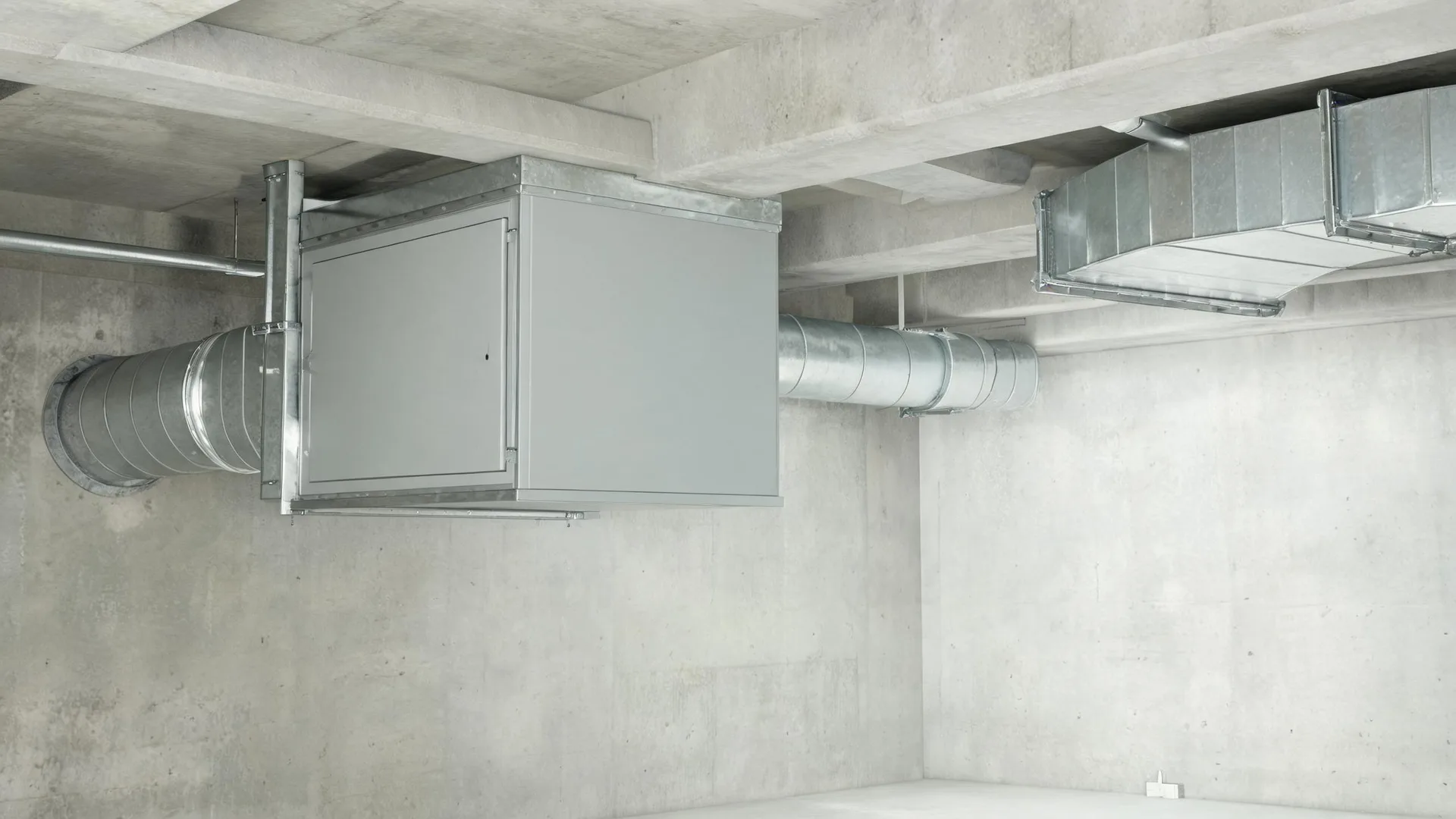
A dirty system runs longer to do the same job
A coil caked with dust or a filter clogged with it makes the air conditioner work harder to pull heat out of the house. It runs longer to reach the same temperature, and every extra minute draws power.
Takes about a minute. No obligation.
A coil caked with dust or a filter clogged with it makes the air conditioner work harder to pull heat out of the house. It runs longer to reach the same temperature, and every extra minute draws power.
Electricity in Plaquemines Parish runs about 12.23 cents per kilowatt-hour, cheaper than most of the country. A system that is losing efficiency still pulls more power to make up for it, and here that power is what's heating and cooling the house most of the year.
NOAA nClimDiv, 1991–2020 normals
Half the homes in Plaquemines Parish were built in 1997 or earlier.
A system that old has had a lot of years to drift out of tune, and a yearly check is how you catch that before it shows up on the bill.




April is when this system starts running for real, and it stays on the job through October, seven months straight. March is the month to get it looked at, before that first stretch of heat hits. A technician can clean the coil, check the refrigerant charge and test the capacitor while the unit is sitting idle, not while it's already working to keep up with the heat. A weak part found in March gets fixed on a slow day. Found after the season starts, it means waiting on a repair with the house already warm.
A clean coil and a checked charge mean the unit is not using extra power to do the same job. Here, where that power is what's heating and cooling the house most of the year, a tune-up now is what keeps the bill from creeping up before anyone notices.
Find a contractorIf your system came with a house built in 1997 or earlier, put it on a yearly schedule and keep it there. A check each spring catches a weak capacitor or a coil losing its charge while the unit is sitting idle, not after it is already running flat out. The clip beside this shows one stretch of one day. A yearly check is how you see the years adding up before they show up as a breakdown.
A dirty filter is the one thing worth checking without calling anyone. Pull it out, hold it to the light, and if you can't see through it, swap it. A clogged filter starves the coil of airflow and makes the whole system work harder for the same result.
The outdoor unit needs open space to pull air through its coil. Keep grass clippings, leaves and mulch away from the sides, and leave room above it. Don't stack anything against it or let shrubs grow into it. Beyond that and the filter, leave the cabinet closed and leave the rest to a technician.
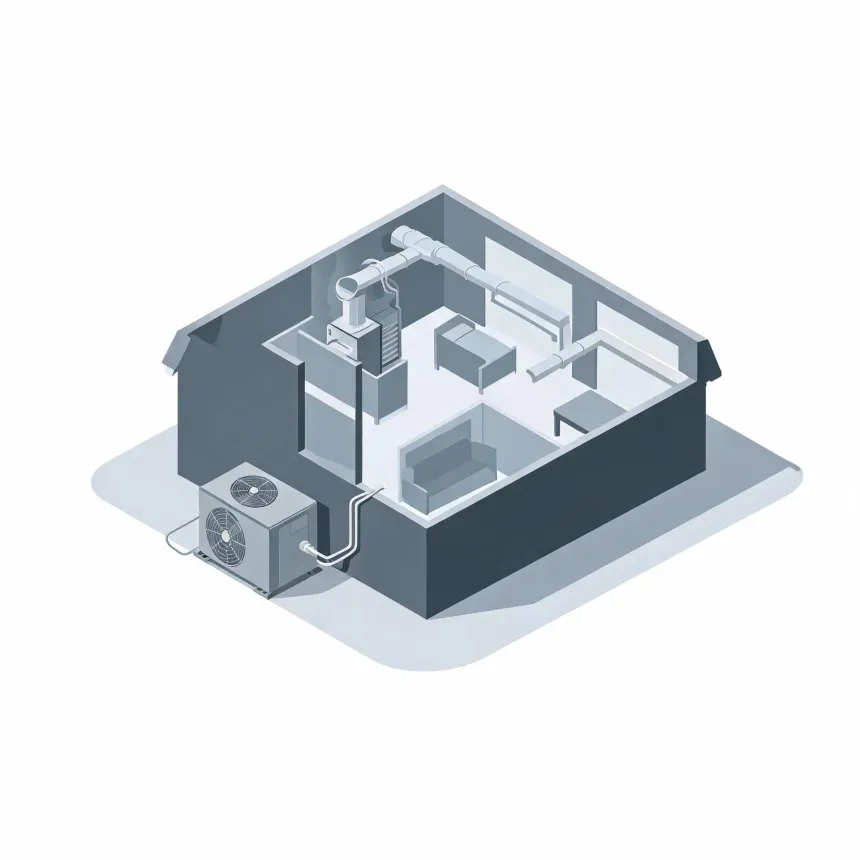
A tune-up checks the refrigerant charge, cleans the coils, tests the capacitor and tightens the electrical connections.
A tune-up is not just a quick look at the unit. A technician checks the refrigerant charge against what the system is supposed to carry, because too little and too much both make it run harder than it should. The capacitor gets tested under load, since that's the part that fails without warning and leaves the compressor straining to start. The condenser coil gets cleaned, inside and out, because a coil caked with dirt can't shed heat the way it was built to. Electrical connections get checked for corrosion, and the contactor gets looked at for pitting, since a bad connection is what causes a system to draw more power than it needs. The drain line gets cleared too, so condensation has somewhere to go instead of backing up into the house.