This county sees real storms
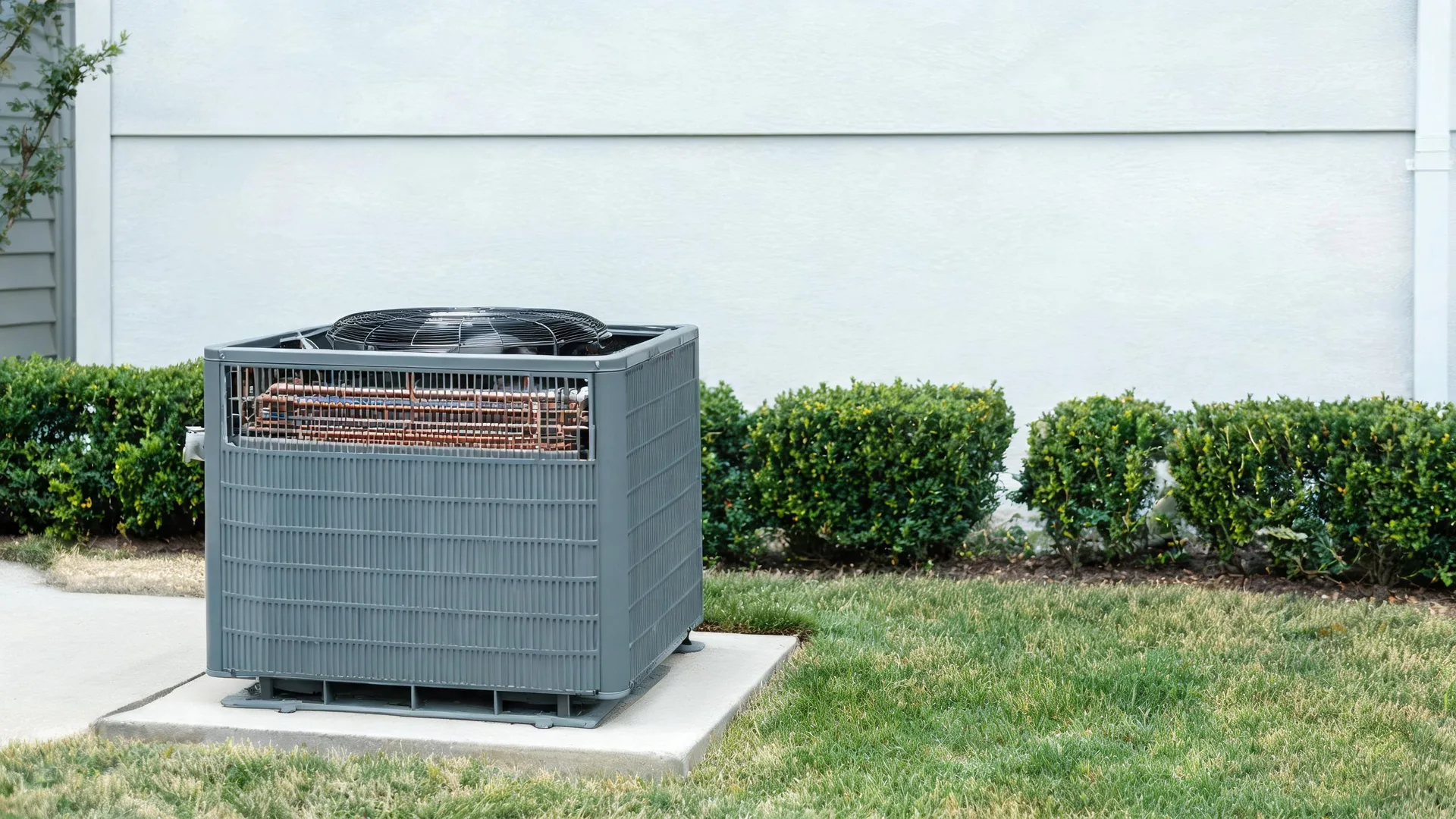
Union Parish recorded 174 severe weather events between 2015 and 2024. That includes 112 damaging wind events, 37 hail events, and 15 tornadoes. An outdoor AC unit sits outside through all of it.
Takes about a minute. No obligation.
Union Parish recorded 174 severe weather events between 2015 and 2024. That includes 112 damaging wind events, 37 hail events, and 15 tornadoes. An outdoor AC unit sits outside through all of it.
Wind drives debris into the cabinet and coil. Hail can dent the fins or housing. Almost half of Louisiana households went at least a day without power in 2024, and a unit left unchecked after an outage can hide damage you won't see until it fails to cool.

NOAA nClimDiv, 1991–2020 normals
Your AC runs five months straight here, May through September, with afternoon highs averaging 92°F and a dew point around 69°F.
That kind of stretch wears parts down faster than milder climates do, so trouble tends to surface early in the season.




A dirty filter is the start of most problems. Airflow drops, the evaporator coil gets less warm air moving across it, and the coil can ice over instead of pulling out heat and moisture the way it should. Once that happens, the system runs longer to do less cooling. The outdoor coil has its own version of the same problem. It sits outside and collects dust, grass clippings, cottonwood, whatever blows through it, and when the fins are caked the unit can't shed heat the way it needs to. The compressor works harder and runs hotter, and that shortens its life. The condensate drain matters just as much, even though nobody thinks about it. It carries off the water the coil pulls out of the air, and when it clogs with algae or dirt, that water backs up into the pan and the cabinet instead. A float switch may shut the system down before it floods, or it may not have one at all. Keeping the filter, both coils, and the drain clear is most of what keeps an AC running the way it was built to.
A tune-up gives a tech the chance to check the cabinet, coil and fins for damage before summer puts the unit to work. If a storm has already caught it, this is how you find out now instead of when it stops cooling.
Find a contractorFive months of 92 degree afternoons is a lot of hours on a compressor. Book the tune-up before May, while the unit is still sitting idle, so a tech catches a weak part before it has to run flat out for the summer.
Grass clippings, leaves, and anything stacked against the cabinet choke the airflow the coil needs to shed heat. Keep at least a couple feet of open space on all sides, and keep the mower from throwing clippings into the fins. Don't stack mulch, pots, or firewood against it either.
A clogged filter is the one thing a homeowner can fix without tools. Check it monthly during the months it runs hard, and replace it when it looks gray or matted. If you ever see ice on the indoor coil or the line running to the outdoor unit, shut the system off and let it thaw completely before running it again. Running it iced up strains the compressor.
A tune-up checks the refrigerant charge, cleans the coils, tests the capacitor and tightens the electrical connections.
A tune-up is more than a filter swap. A tech checks the refrigerant charge, because a system low on refrigerant cools poorly and runs the compressor harder than it should. They check the electrical connections, since a loose wire or a failing capacitor can take the whole unit down without warning. The contactor gets checked too, since its contacts wear down from arcing every time the compressor cycles on. They test the fan motors, both the one pulling air across the indoor coil and the one pushing air through the outdoor coil, listening for bearing noise that means a motor is on its way out. They check the thermostat calibration, so the system isn't running longer than it needs to just because the reading is off. Each of these is a small thing on its own, but any one of them left unchecked is what turns into a breakdown mid-summer instead of a quiet fix in the spring.