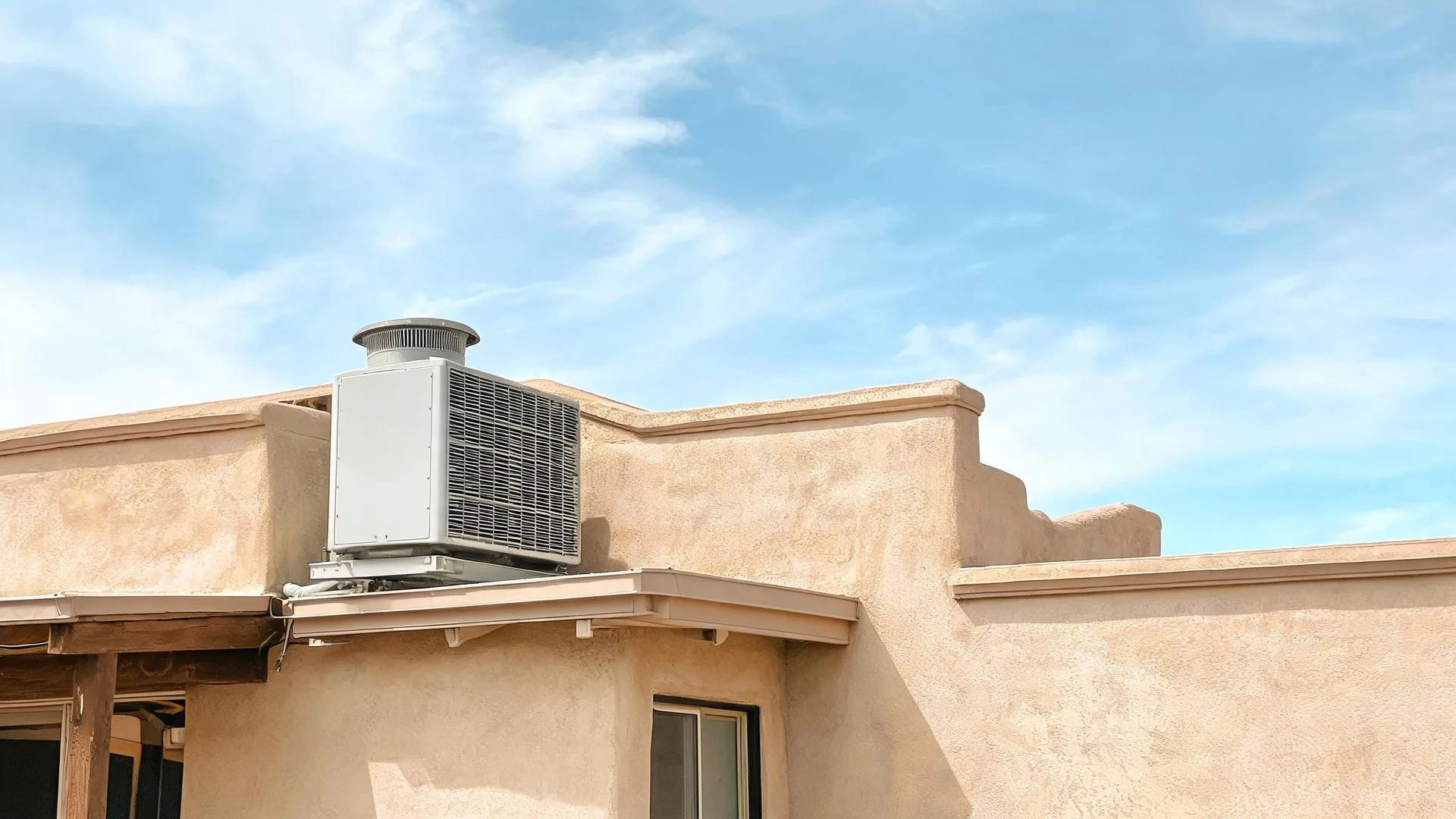
Aerial view of a gray outdoor air conditioning condenser unit mounted on a concrete pad next to a house with vinyl siding.

AC Maintenance in Jennings, LA

Tell us about the job

Takes about a minute. No obligation.

Tune-up, service, or cleaningCentral ACJefferson Davis Parish, LA
Step 1 of 2

What ZIP code is the job in?

Seven months of work

Your air conditioner runs from April through October here, with afternoon highs averaging 91°F in June, July and August. The air carries a lot of moisture too, enough that the dew point averages 74°F, among the highest in the country. The unit has to pull that moisture out along with the heat, which adds load beyond just cooling the air.


Parts wear ahead of schedule

A compressor or capacitor running this many hours against this kind of heat and humidity wears faster than the same part in a milder state. Problems that might take years to show up elsewhere can show up here in one or two seasons. That is why a tune-up matters more here than the national advice accounts for.

7 months
April through October, your air conditioner is on duty
91°F
the average summer afternoon it cools against
13 hail events
in ten years, and hail bends the fins on outdoor coils
19 wind events
in ten years, and wind drives debris into outdoor units
Isometric cutaway illustration of a single-story house with a dark shingled roof, showing interior rooms with ductwork and an indoor air handler connected to an outdoor condenser unit beside the building.
Your air conditioner works hardest from May through September.

NOAA nClimDiv, 1991–2020 normals

Jefferson Davis Parish logged 19 damaging wind events and 13 hail events between 2015 and 2024.

That outdoor unit sits outside through all of it, so a tune-up is the time to check the coil and cabinet for damage before summer load finds it.

Cheap power still adds up when a dirty system runs all summer

Power here costs 11.74 cents per kilowatt-hour
Climate zone 2A
Cooling runs April through October

April is when cooling starts here, and that's the month the system goes from sitting idle to running most of the day. A unit that's been off all winter does better with a check before that jump than after it. March is the month to book it. That gives a contractor time to catch a weak capacitor or a low charge while the unit is still running light, before seven straight months of hard use finds the problem for you. Wait until April and you're calling after the compressor is already under full load, along with everyone else whose system picked that week to fail.

Get it checked before the season puts it to work

Seven months of hard running catches up with worn parts fast here. A tune-up before the season gets going is how a weak capacitor or a low charge gets found while the unit is still running light, not after it's been carrying full load since April.

Find a contractor
A man in a dark long-sleeve shirt and tan work pants carries a worn tool bag up concrete steps toward a green front door of a house with siding and a potted shrub.
An outdoor air conditioning condenser unit mounted on a concrete pad beside a house, with electrical conduit running to a wall-mounted disconnect box.

What skipping it actually costs the unit

Skip maintenance and the unit doesn't fail right away. It keeps running, just worse. Dirt on the outdoor coil makes the system work harder to dump heat, so it runs longer to do the same job. A dirty indoor coil does the same thing from the other side, and ice can start forming on it, which cuts airflow even further. Low refrigerant charge, from a slow leak nobody caught, makes the compressor work outside its design range, and that wear doesn't reverse itself once the charge gets topped off. Refrigerant also carries the oil that lubricates the compressor, so running low starves it of lubrication too. A capacitor that's weakening puts extra strain on the compressor and the fan motor every time they start. None of this trips a breaker or shuts the system down. It just means the compressor runs hotter, the motor works harder, and parts that might have lasted years end up getting replaced in one. A tune-up catches these before they turn into a service call.

Checking the charge, not just the gauge

A thorough tune-up gets the refrigerant charge checked against the system's target numbers, measuring both the pressure and the temperature of the line. A quick visit just hooks up a gauge, glances at the pressure, and calls it fine. A system can show an acceptable pressure and still be low enough to run the compressor harder than it should.

What the electrical check should cover

The capacitor and contactor take a beating every time the compressor and fan motor start up. A real tune-up tests the capacitor's actual output against its rating, not just whether the unit starts. It also checks the contactor for pitting and the wiring for loose connections that heat up over time. Skipping that part means a weak capacitor gets missed until the day it finally gives out.

An overhead view of a residential air conditioning condenser unit mounted on a concrete pad next to a house with vinyl siding.

Book your AC tune-up in March, before homes here start needing cooling in April.

  1. Jan
  2. Feb
  3. Mar
  4. Apr
  5. May
  6. Jun
  7. Jul
  8. Aug
  9. Sep
  10. Oct
  11. Nov
  12. Dec

A tune-up checks the refrigerant charge, cleans the coils, tests the capacitor and tightens the electrical connections.

A dirty system does not just wear faster here, it runs up the bill while it does it. The outdoor coil loses its ability to dump heat, so the compressor stays on longer to cool the same house. A dirty indoor coil adds to that load from the other side. A tune-up is where this gets caught, by cleaning both coils, checking airflow, and confirming the refrigerant charge is where it should be, not just glancing at a gauge. None of that happens on its own. Get it done before the system is running most of the day, and it spends the summer working at the load it was built for instead of fighting itself the whole time.