






A white Southern-style house with a wraparound porch photographed at night, surrounded by Spanish moss-draped oak trees lit by landscape lights.

AC Maintenance in Lafayette, LA

Tell us about the job

Takes about a minute. No obligation.

Tune-up, service, or cleaningCentral ACLafayette Parish, LA
Step 1 of 2

What ZIP code is the job in?

Electricity here runs 11.87 cents per kilowatt-hour, cheaper than most of the country. That sounds like good news, and it is, but it only helps if the air conditioner is actually running the way it should. A unit with a dirty coil or a low charge has to run longer to cool the same house, and longer runtimes eat into that rate advantage fast. Lafayette's cheap power doesn't mean much to a system that's working twice as hard as it needs to. Keeping it tuned up is what actually lets you cash in on that lower rate.

7 months
April through October, your air conditioner is on duty
91°F
the average summer afternoon it cools against
16 hail events
in ten years, and hail bends the fins on outdoor coils
39 wind events
in ten years, and wind drives debris into outdoor units
Isometric grayscale illustration of a cutaway house showing interior rooms, ductwork, an indoor air handler, and an outdoor condenser unit on a pad connected by lines.
Your air conditioner works hardest from May through September.

NOAA nClimDiv, 1991–2020 normals

Your air conditioner runs seven months straight here, April through October.

That's seven months for a worn part to turn into a breakdown in July.

April is when it starts working. March is when you get it checked.

Cooling runs April through October
Climate zone 2A
Power here costs 11.87 cents per kilowatt-hour

Half the homes in Lafayette Parish were built in 1988 or later, so there's a good chance yours isn't fighting age on top of the workload. That matters because a yearly check does more for a system with years left on it than one already wearing out. Catching a weak capacitor or a dirty coil early keeps it running close to how it ran when it was installed. A newer unit that gets checked every year can go a long time before anything major fails. Skip the checks and small problems just sit there until they're not small anymore.

A tuned-up system is what makes that low rate worth something

A tune-up gets the coil clean and the charge right, so the system isn't working harder than it has to cool the house. That's what lets the low rate actually show up on the bill, instead of getting eaten by a unit running longer than it needs to.

Find a contractor
A man in a dark cap and jacket, seen from behind, climbs porch steps toward a green front door while carrying a canvas tool bag.
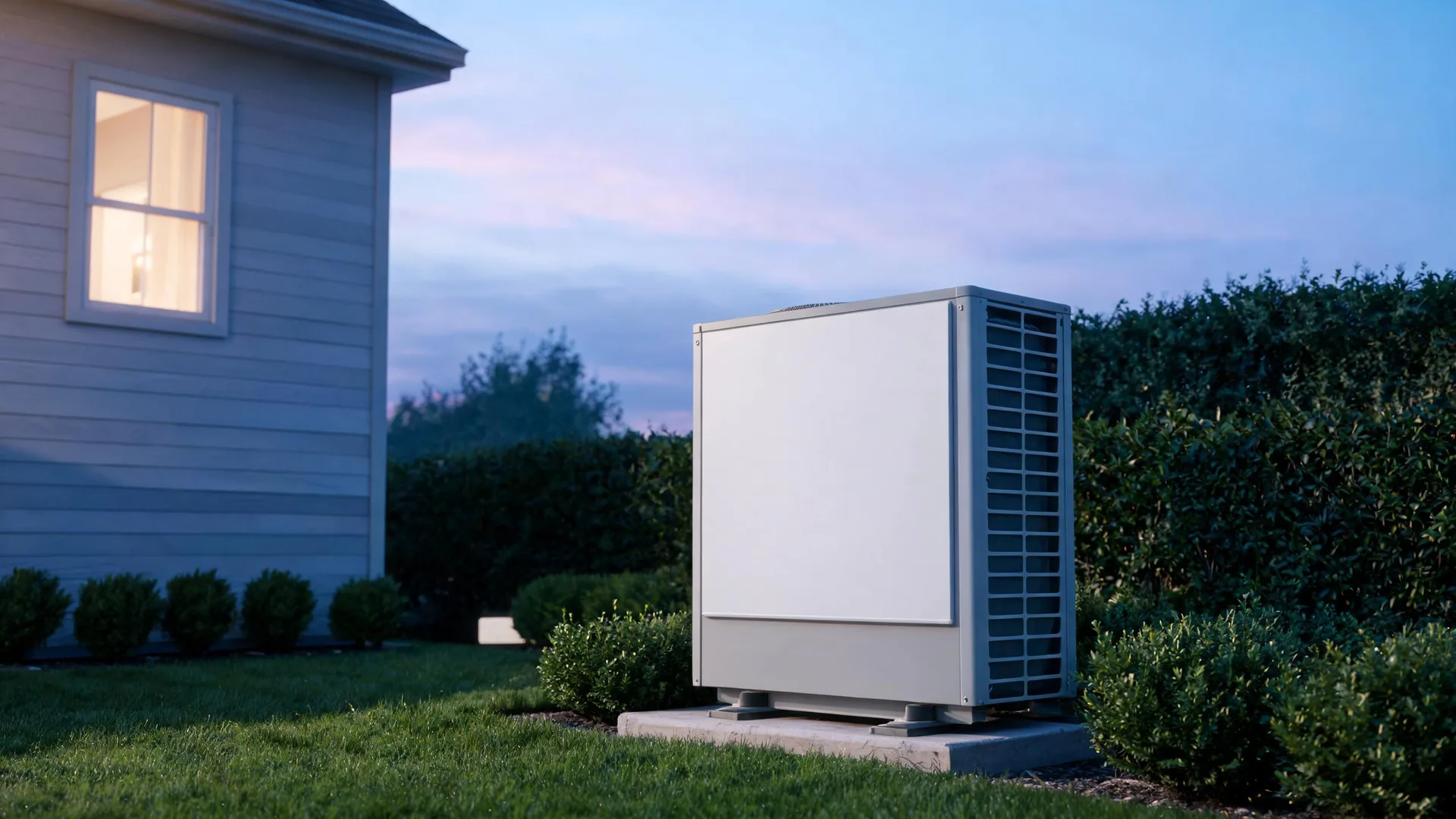
An outdoor air conditioning condenser unit mounted on a concrete pad beside a house, with electrical conduit running to a wall-mounted disconnect box.

Get it checked before it has to work

91 degrees in the afternoon all through June, July and August is what this system is up against for seven straight months. A capacitor or a coil that's already weak doesn't get a break to recover, it just keeps working under that load until it gives out. Getting it checked before April means whatever's wearing thin gets caught while the system is still sitting idle, not after it's already running every day.

Dirt and dust don't cause breakdowns by themselves

A coil caked with dust or a filter packed with lint doesn't stop the system cold. It just makes the compressor and fan motor work against resistance that shouldn't be there. That strain is quiet for a long time before it isn't.

What finally fails was usually warned about first

A capacitor that's weakening shows up as a slow start or a hard start, something a tech can catch on a meter long before it fails outright. Refrigerant that's slipped low shows up as warm air at the vents before the compressor overheats. Skip the check and those warnings pass with nobody looking.

Aerial view of a residential air conditioning condenser unit mounted on a concrete pad next to a house with vinyl siding and a sliding glass door.

Book your AC tune-up in March, before homes here start needing cooling in April.

  1. Jan
  2. Feb
  3. Mar
  4. Apr
  5. May
  6. Jun
  7. Jul
  8. Aug
  9. Sep
  10. Oct
  11. Nov
  12. Dec

A tune-up checks the refrigerant charge, cleans the coils, tests the capacitor and tightens the electrical connections.

A proper tune-up starts outside, at the condenser. The coil gets cleaned of the dust and grass clippings that choke airflow, and the fins get straightened where they're bent over. Inside, a tech checks refrigerant charge against what the system calls for, not just whether it's cold. The capacitor and contactor get tested under load, since those are the parts that wear quietly and then quit all at once. The blower wheel gets checked for dirt buildup, because a dirty wheel moves less air no matter how clean the coil is. Electrical connections get tightened, since a loose one generates heat and heat breaks things down faster. None of this is guesswork. It's the same dozen checks, done the same way, on a system that's about to run hard.