







Overhead view of an outdoor AC condenser unit on a concrete pad next to a house with a dark shingle roof.

AC Maintenance in Leesville, LA

Tell us about the job

Takes about a minute. No obligation.

Tune-up, service, or cleaningCentral ACVernon Parish, LA
Step 1 of 2

What ZIP code is the job in?

Vernon Parish saw 83 severe weather events between 2015 and 2024. Damaging wind came through 39 times, hail hit 25 times, and tornadoes touched down 15 times in that same stretch. An outdoor condenser sits outside through all of it, exposed to wind-driven debris and hail that can bend the fins or crack the fan blades. None of that damage announces itself right away. A unit can keep running for weeks with a dented coil or a cracked blade before it finally gives out, usually on the hottest day of the year. Checking it after storm season has passed, rather than waiting for a breakdown, is how you find out before the heat does.

6 months
May through October, your air conditioner is on duty
92°F
the average summer afternoon it cools against
25 hail events
in ten years, and hail bends the fins on outdoor coils
39 wind events
in ten years, and wind drives debris into outdoor units
Isometric cutaway illustration of a small home interior with furniture and ducting, showing an indoor air handler connected by lines to an outdoor condenser unit on a pad.
Your air conditioner works hardest from May through September.

NOAA nClimDiv, 1991–2020 normals

AC in Vernon Parish starts its six-month run in May.

Get it checked in April, before the system is working hard every day.

Power here runs 13.84 cents a kilowatt-hour, and a dirty, worn system burns more of it to do the same job

Power here costs 13.84 cents per kilowatt-hour
Climate zone 3A
Cooling runs May through October
Six Months of Heat Wears on This MachineAfternoons average 92°F with a dew point of 72°F, June through August.

A coil caked with dust or a blower working against dirty ducts makes the system run longer to hit the same temperature on the thermostat. That extra runtime is what costs money at the rate power runs here. A tune-up gets the coil clean and checks the airflow so the unit isn't straining to do what it used to do easily. Having that done before the system is running every day, rather than after, is what keeps the bill from creeping up quietly all summer.

Check it before storm season

Storm season beats up outdoor units here. Have it checked for damage and debris before you need it.

Find a contractor
A man in a cap, dark shirt and brown work pants, seen from behind, climbs wooden porch steps toward a green front door while carrying a worn canvas bag.
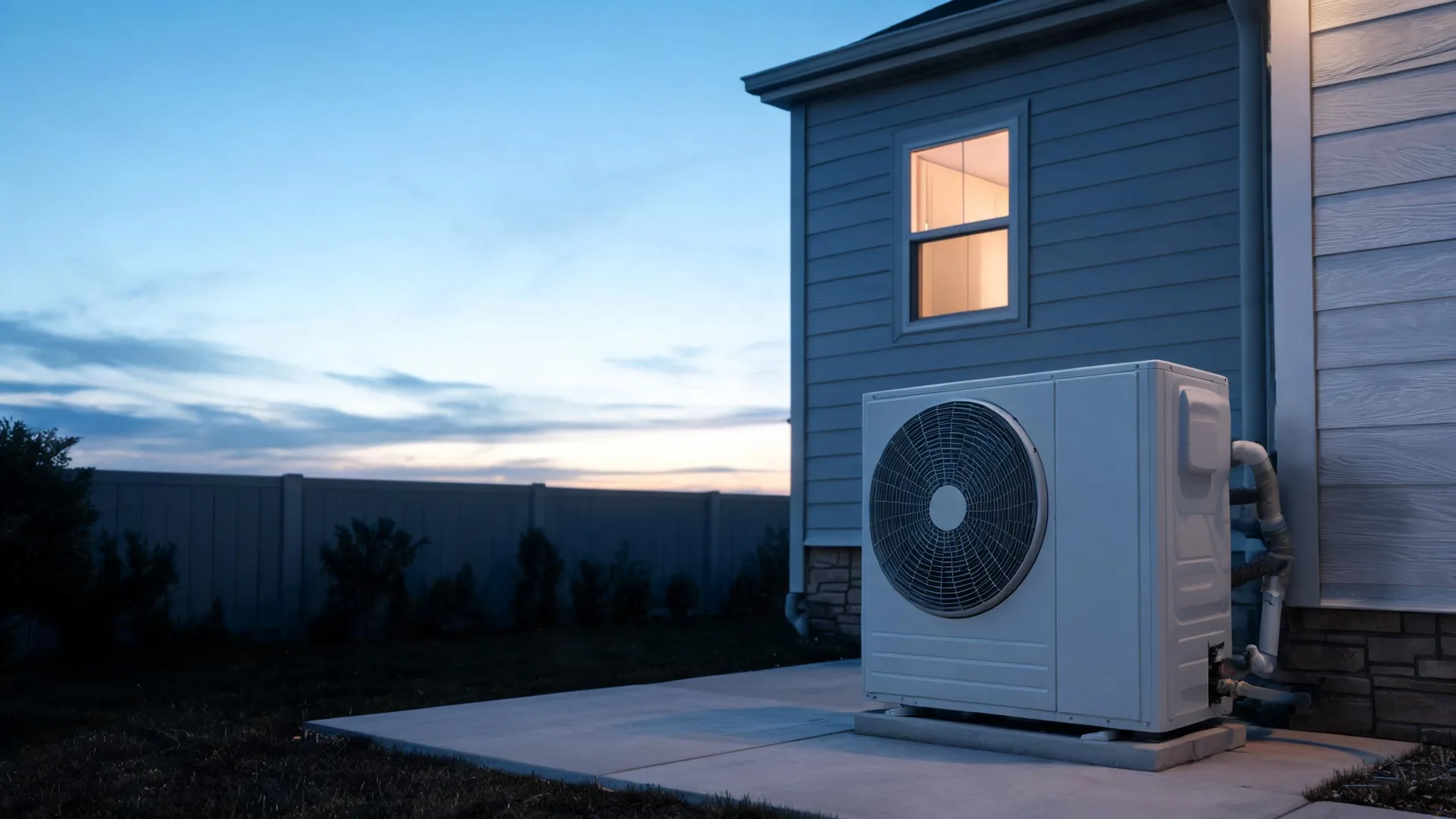
An outdoor residential air conditioning condenser unit mounted on a concrete pad, surrounded by gravel with a blue sky in the background.

Six Months Is a Long Time to Run Unchecked

Six months is a long run for any system, and this one does it with the fan and compressor working near their limit most afternoons. Parts that are already stressed by the heat don't give much warning before they fail. A belt or hose problem shows itself slowly on other machines. A capacitor or a contactor here just stops. Getting it looked at before May means catching the one part that's already worn thin, while there's still time to fix it on your schedule instead of theirs.

What a failing capacitor looks like first

The outdoor fan hesitates before it starts, or the compressor hums but doesn't kick in. Sometimes the unit shuts off on its own partway through a cycle. A capacitor doesn't wear down gradually the way a belt frays. It holds its charge until it can't, and then the system just won't start. A tune-up tests it under load, which is the only way to catch one that's close to done but still working.

Warm air from the vents doesn't always mean low refrigerant

Weak airflow, a frozen coil, or a blower pulling air through a clogged filter can all leave a house feeling warmer than the thermostat says it should be. Guessing which one it is wastes a service call. A proper check looks at static pressure, coil temperature, and refrigerant charge separately, so whatever's actually wrong gets fixed instead of just the first thing that looks suspicious.

Aerial view of a gray outdoor air conditioning condenser unit mounted on a concrete pad next to a house with vinyl siding.

Book your AC tune-up in April, before homes here start needing cooling in May.

  1. Jan
  2. Feb
  3. Mar
  4. Apr
  5. May
  6. Jun
  7. Jul
  8. Aug
  9. Sep
  10. Oct
  11. Nov
  12. Dec

A tune-up checks the refrigerant charge, cleans the coils, tests the capacitor and tightens the electrical connections.

A tune-up starts with the electrical side. The contactor points get checked for pitting, the capacitor gets tested under load, and every connection in the disconnect box gets snugged down, since a loose one heats up and fails before anything else does. Refrigerant charge gets checked against what the system actually needs, not just topped off. The coil gets cleaned, because dirt on the coil makes the whole system work harder to move the same heat. The drain line gets cleared so condensation has somewhere to go instead of backing up into the pan. Blower wheel, fan blades, and the motor bearings all get looked at while the panels are open, since that's the only time anyone sees them. None of this takes long when the system is healthy. It takes a lot longer, and costs a lot more, when it's done after something already failed.