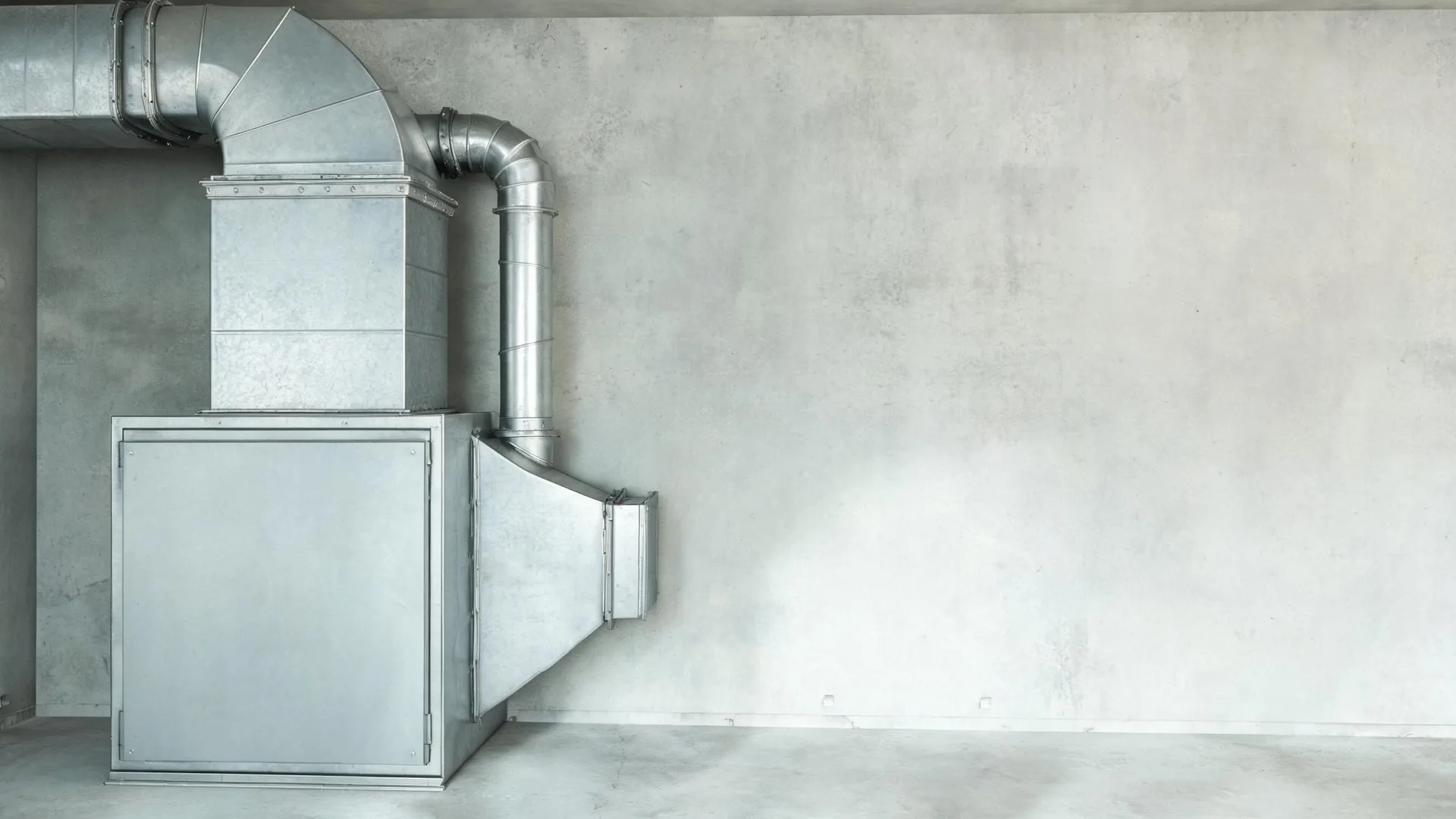
A dirty, neglected AC draws more power
A system running with a clogged filter, a dirty coil or a low charge has to work harder to cool the same house. That extra work shows up as extra electricity use, month after month.
Takes about a minute. No obligation.
A system running with a clogged filter, a dirty coil or a low charge has to work harder to cool the same house. That extra work shows up as extra electricity use, month after month.
St. Mary Parish pays about 12.64 cents per kilowatt-hour, lower than most of the country. That's good news when the system runs right. When it doesn't, every wasted kilowatt still costs something, all summer long.

NOAA nClimDiv, 1991–2020 normals
St. Mary Parish has had 29 severe weather events between 2015 and 2024, including 16 with damaging wind and 6 with hail.
An outdoor unit sitting through that needs to be checked for bent fins, debris and hail marks before summer puts it to work.



Cooling in St. Mary Parish starts in April and runs through October, seven months straight. March is the last quiet month before that. A tune-up then catches a weak capacitor or a low refrigerant charge while the unit is still sitting idle, not after it's already been asked to run flat out. Once April hits, the system doesn't get a break until fall, so whatever shape it's in going in is the shape it stays in for seven months.
A tune-up gets the filter, coil and charge checked before the system settles into a long run of steady cooling. Whatever shape it's in going into summer is the shape it stays in, and that shows up on the bill every month power stays cheap but the system doesn't run right.
Find a contractorBook the tune-up before April. Once summer sets in, the unit runs every day until October, and there's no slow stretch in between to catch a part before it fails. A tech looking at the capacitor, the coil and the charge now is looking at a system standing still, not one thirty days into a run it can't step away from.
A coil that never gets cleaned keeps losing ground. Dust settles on the fins, then holds moisture, then grows a film that no amount of airflow fixes on its own. The same goes for a filter left in too long. Once it's packed with lint, air starts finding the path around it instead of through it, and whatever gets past loads up the blower wheel next.
A capacitor weakens slowly, then fails all at once, usually on the day the compressor needs it most. A contactor pits a little more with every cycle until it sticks or stops making contact. None of this announces itself ahead of time. A tune-up catches these parts while they're still working, not after they've already picked the moment to quit.
A tune-up checks the refrigerant charge, cleans the coils, tests the capacitor and tightens the electrical connections.
A tune-up is a set of checks, not a once-over. The refrigerant charge gets measured against what the system calls for, because too little and the compressor runs hotter than it should, too much and it can flood back liquid that the compressor was never built to handle. The capacitor gets tested under load, since a weak one lets the compressor and fan motor start hard and run hot without ever fully failing until it does. The condenser coil gets cleaned so it can actually reject heat, not just sit there coated in dust. Electrical connections get checked at the contactor and the disconnect, because a loose one arcs, and an arcing connection burns before it ever trips anything. The drain line gets cleared so condensate has somewhere to go besides the pan or the ceiling below it. None of these take long to check. Left unchecked, any one of them is how a working system turns into a failed one.