






A red brick single-story house with a covered porch and adjacent cream-sided houses behind a trimmed hedge and lawn, framed by large oak trees draped with Spanish moss under an overcast sky.

AC Maintenance in Natchitoches, LA

Tell us about the job

Takes about a minute. No obligation.

Tune-up, service, or cleaningCentral ACNatchitoches Parish, LA
Step 1 of 2

What ZIP code is the job in?

Natchitoches Parish saw 173 severe weather events between 2015 and 2024. Most of it was wind, 107 times in that span, with 42 hail events and 18 tornadoes mixed in. An outdoor AC unit sits outside through all of it, exposed to whatever comes through. Wind drives debris into the coil and the fan. Hail dents the cabinet and can bend the fins right where the unit needs open airflow to work. None of that announces itself the way a storm does. A unit can take a hit and keep running for months before the damage shows up as a system that struggles to keep the house cool.

6 months
May through October, your air conditioner is on duty
92°F
the average summer afternoon it cools against
42 hail events
in ten years, and hail bends the fins on outdoor coils
107 wind events
in ten years, and wind drives debris into outdoor units
Isometric line illustration of a cutaway house showing interior rooms with furniture and ceiling ductwork, connected to an outdoor condenser unit with a fan beside the building.
Your air conditioner works hardest from June through September.

NOAA nClimDiv, 1991–2020 normals

May starts six straight months of cooling in Natchitoches Parish.

Get the AC checked in April, before it has to carry that load.

Six months of cooling in heat like this wears parts down fast

Cooling runs May through October
Summer afternoons average 92°F
Climate zone 3A

A tune-up before May is when a contractor can still catch a part before it fails on you. Once the unit is running six months straight with afternoons averaging 92 degrees, it's working to pull heat out of the air nearly every day. A capacitor that's starting to go, or a contactor with pitted points, might hold on through a mild stretch. It won't hold on in the middle of summer. Catching it before the season starts means a part gets swapped on a quiet day instead of during the hottest week of the year.

Have the outdoor unit checked before the next storm finds its mark

A tune-up gets the cabinet open and the coil and fan checked for what the last storm season left behind. If wind or hail already bent a fin or packed debris into the coil, this is when a contractor finds it, before the unit has to run flat out on a hot afternoon. Louisiana households losing power for a day or more isn't rare here. A unit checked now and in good shape is one less thing to worry about when the power's out and the lights come back on.

Find a contractor
A man seen from behind in a navy T-shirt and tan work pants carries a canvas tool bag up concrete steps toward a green front door, with a potted shrub to the right.
A gray cylindrical air conditioning condenser unit mounted on a concrete pad next to a light-colored vinyl-sided house exterior.

A real tune-up finds the part that is about to fail, not just the one that already did

A quick visit gets you a glance at the filter and a pressure check, then the van pulls out. A thorough one opens the cabinet and looks at what is actually wearing down. That means pulling the capacitor and testing it under load, not just eyeballing it, because a capacitor can look fine and still be weak. It means checking the contactor points for pitting, since a pitted contactor is what leaves a unit stuck running or unable to start at all. It means washing the coil, not just looking at it, because a coil can seem clean on the fins facing out and still be packed tight further in. A thorough tech checks the refrigerant charge against what the system is actually doing that day, not just a number on a gauge. They check the blower wheel for dust buildup, since a dirty wheel moves less air no matter how clean the coil is. They check that the drain line is clear, because a clogged one backs up and shuts the system down on its own. A quick tune-up treats the unit like it is already fine. A thorough one treats it like something that is about to carry a full season of work and looks for the one part that will not make it through.

A dirty system hides its own warning signs

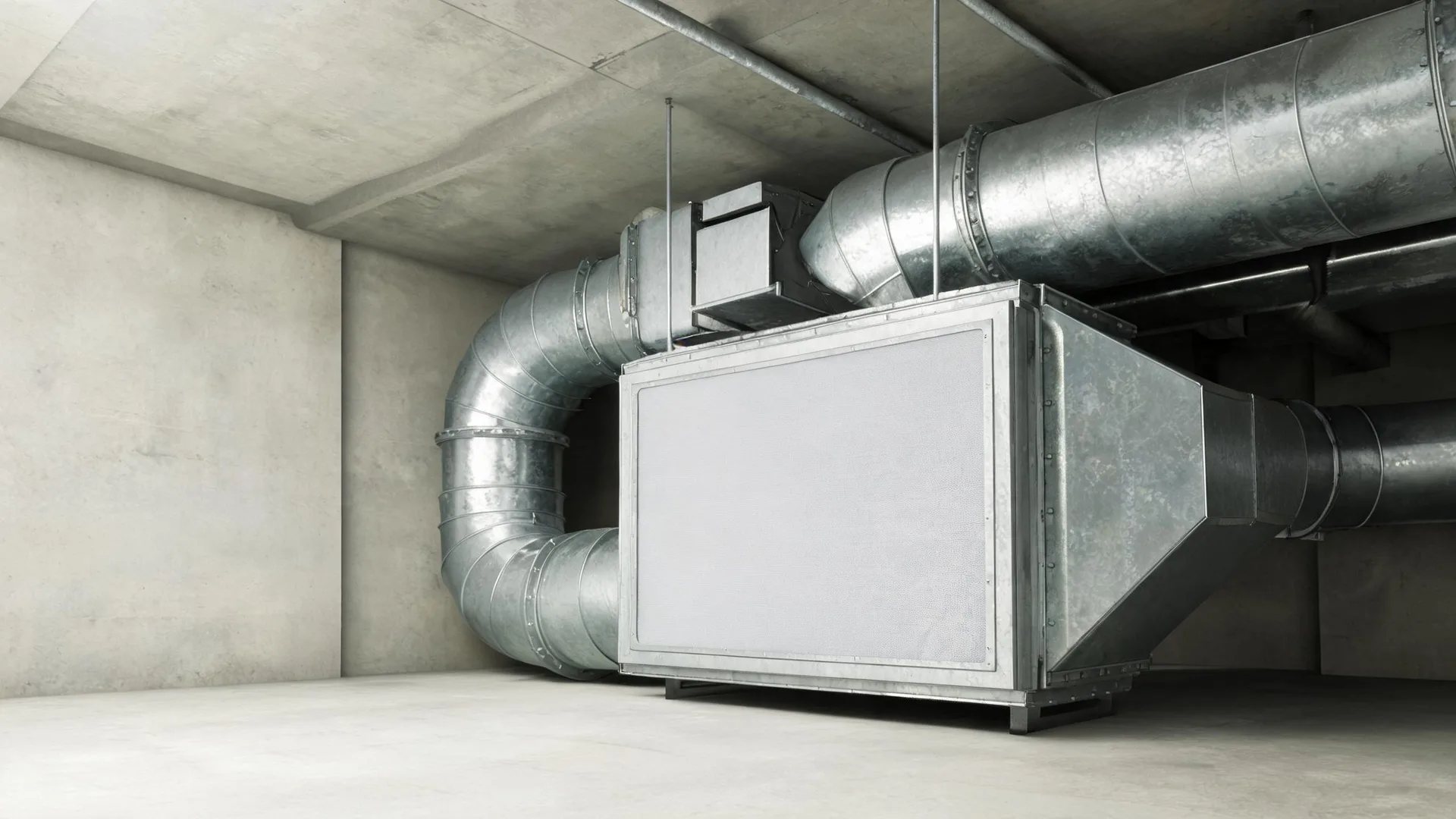
A dirty coil or a clogged filter makes the compressor work harder to move the same heat. The system doesn't shut off and tell you something's wrong. It just runs longer, pulls more current through the same worn parts, and keeps going until one of them gives out. Skipping maintenance doesn't mean nothing happens. It means the strain stays invisible until the day a part quits.

Small wear turns into a no-cool call

A refrigerant leak that goes unnoticed slowly starves the compressor of the cooling it needs to survive its own heat. A weak capacitor that never gets tested keeps the fan motor or compressor starting rough every cycle until one start doesn't take. These are gradual failures, not sudden ones, and a maintenance visit is built to catch them while they're still small enough to fix on the spot.

An outdoor central air conditioning unit mounted on a concrete pad beside a blue-sided house at sunset.

Book your AC tune-up in April, before homes here start needing cooling in May.

  1. Jan
  2. Feb
  3. Mar
  4. Apr
  5. May
  6. Jun
  7. Jul
  8. Aug
  9. Sep
  10. Oct
  11. Nov
  12. Dec

A tune-up checks the refrigerant charge, cleans the coils, tests the capacitor and tightens the electrical connections.

A proper tune-up starts with the unit off and the cabinet open, not a glance from across the yard. The condenser coil gets washed, not wiped, since dirt packs into the fins from the inside and a rinse on the outer face won't touch it. The capacitor gets pulled and tested under load, because a weak one can still read fine sitting still. The contactor points get checked for pitting, since pitted contacts are what leave a unit humming but not starting. Refrigerant gets checked against what the system is actually doing, not just a gauge number, because the right charge depends on the temperature and airflow that day. The blower wheel gets looked at too, since a wheel caked in dust moves less air even when the coil behind it is clean. Last, the drain line gets cleared, because a clogged one shuts the system down on its own long before anything else fails.