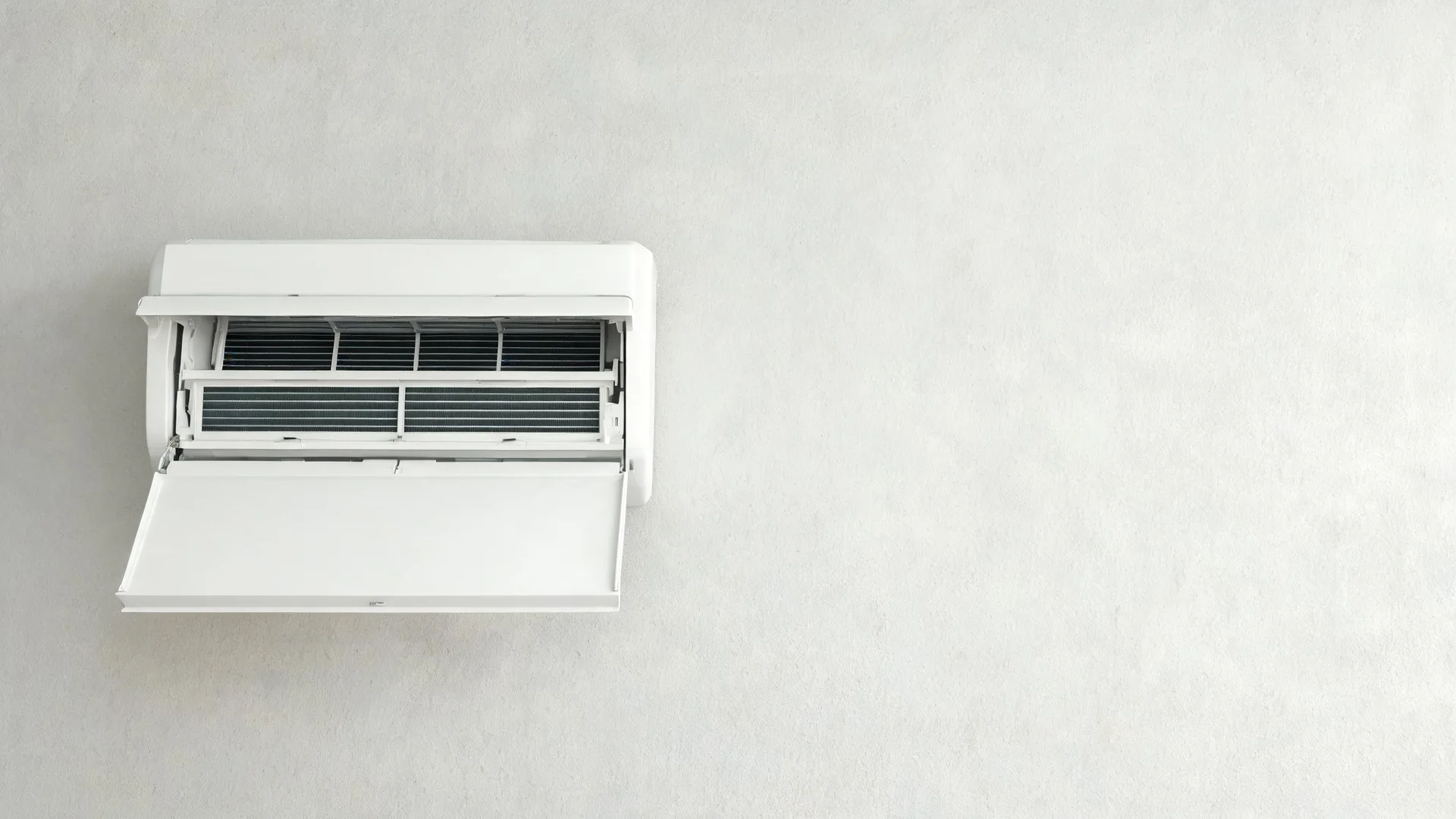
A dirty system draws more power
A coil caked with dust or a filter clogged with buildup makes your air conditioner work harder to move the same air. That extra draw shows up on the meter every month it runs.
Takes about a minute. No obligation.
A coil caked with dust or a filter clogged with buildup makes your air conditioner work harder to move the same air. That extra draw shows up on the meter every month it runs.
Electricity in Iberia Parish runs below the national average. A neglected system still costs more to run here than it should, just from the months it stays on.
NOAA nClimDiv, 1991–2020 normals
Your air conditioner runs seven months a year here, April through October, with afternoon highs averaging 90°F and thick, muggy air through the summer.
That kind of stretch wears parts down faster, and a system due for a tune-up will start showing it once the heat sets in.



Iberia Parish saw 40 severe weather events between 2015 and 2024, 25 of them damaging wind and 8 hail. That outdoor unit sits outside through all of it, with nothing but a thin cabinet around the coil and fan. Wind drives debris into the fins, and hail dents the housing or bends them flat, either way the airflow across that coil suffers. Statewide, close to half of Louisiana households lost power for a day or more in 2024, and a storm severe enough to knock out power is severe enough to leave something behind in your unit. A tune-up before summer is when a contractor catches the bent fin or the leaves packed against the coil, before the system is running flat out in the heat.
A tune-up gets the coil clean and the airflow checked before the draw adds up all summer. A system running the way it should costs less to keep on than one left dirty, and that difference shows up on the meter here more than most places.
Find a contractorGet it looked at before April, not in July once it's already straining against 90 degree afternoons. A worn capacitor or a low charge is easier to catch when the system isn't working flat out to keep up, and once the season starts it won't get a break until October.
A system low on refrigerant still blows cold air out of the vent. It just takes longer to pull the heat out of the house, and it runs longer to do it. A gauge set on the service ports is what catches it, not your hand in front of the register.
A weak capacitor gets the compressor and fan running most days, so the system seems fine right up until the morning it doesn't start at all. Testing it against its rating is how a contractor finds the one that's about to go before it leaves you without cooling.
A tune-up checks the refrigerant charge, cleans the coils, tests the capacitor and tightens the electrical connections.
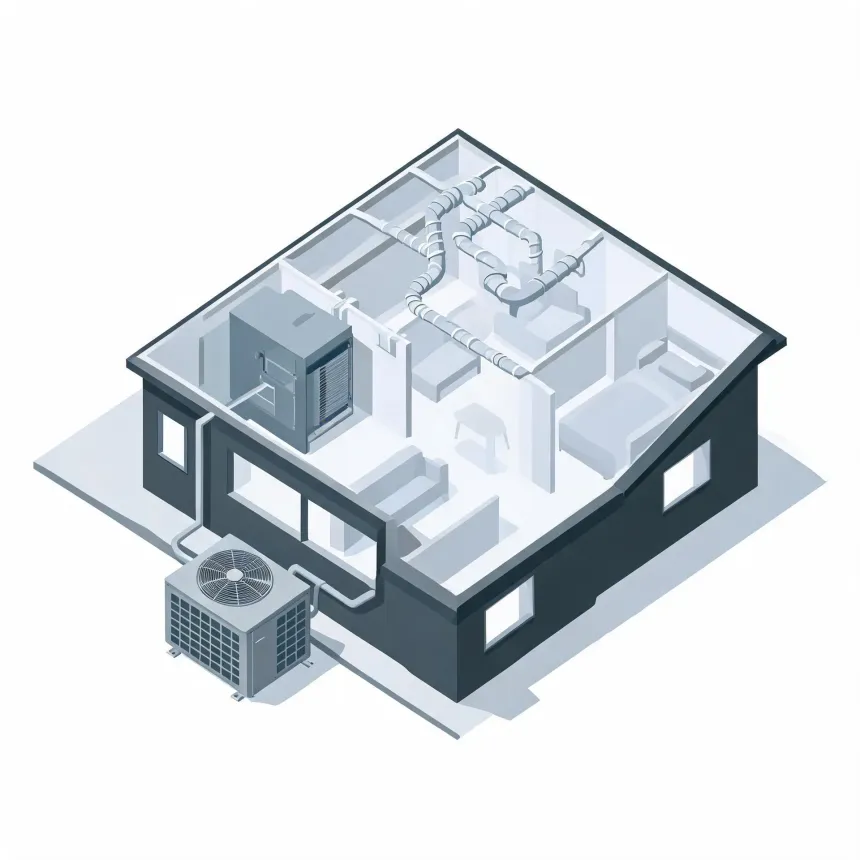
A real tune-up starts outside at the condenser. The coil gets washed clean of dust and grass clippings, because anything coating those fins blocks the heat from leaving the refrigerant where it needs to. The fan motor gets checked for noise and play, and the capacitor that kicks it on gets tested against its rating rather than just trusted because the unit starts. Inside, the evaporator coil and the drain line get checked, since a clogged drain backs up and spills water right where you don't want it. A contractor checks refrigerant charge against the system's specs, not by feel, because a gauge set on the service ports tells the truth a hand in front of the vent can't. Electrical connections get tightened, since a loose one generates heat and wears the contact down further. None of this is guesswork. Each part has a spec or a reading it should fall within, and the tune-up is what tells you whether it does.