




Low-angle view along a red brick wall with trimmed shrubs and a mulch bed beside a mown lawn, with a single-story house with a garage door and tall pine trees under an overcast sky in the background.

AC Maintenance in New Orleans, LA

Tell us about the job

Takes about a minute. No obligation.

Tune-up, service, or cleaningCentral ACOrleans Parish, LA
Step 1 of 2

What ZIP code is the job in?

Your AC runs about seven months a year here, April through October. During June, July and August the afternoon high averages 90°F. That is a long stretch of hard running with barely a break between seasons to cool down. A capacitor or a blower motor works through more hours and more heat here than it would somewhere milder, and it wears accordingly. Once the weather turns hot in spring, a part that was already weak tends to show it fast.

7 months
April through October, your air conditioner is on duty
90°F
the average summer afternoon it cools against
6 hail events
in ten years, and hail bends the fins on outdoor coils
35 wind events
in ten years, and wind drives debris into outdoor units
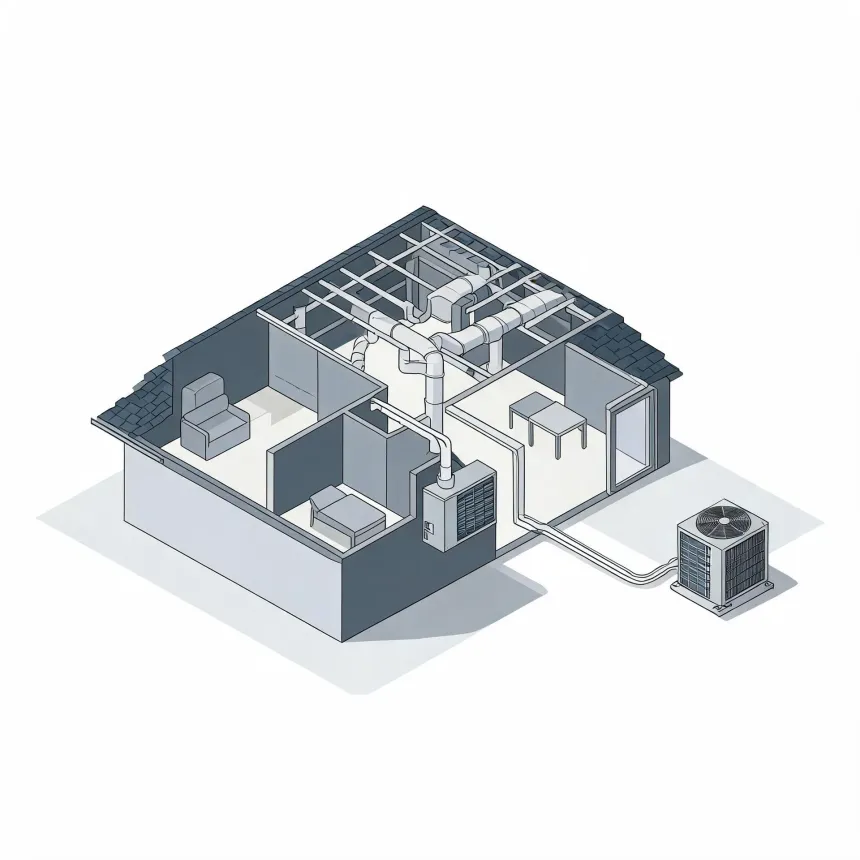
Isometric cutaway illustration of a house showing attic ductwork, an indoor air handler, and an outdoor condenser unit connected by lines.
Your air conditioner works hardest from May through September.

NOAA nClimDiv, 1991–2020 normals

Anyone can pull a filter and call it a tune-up.

A real one checks refrigerant charge, tests the capacitor under load, and measures the temperature split at the vents.

Half the homes here were built by 1960, and an older home asks more of its AC

Half the homes here were built by 1960
Cooling runs April through October
Summer afternoons average 90°F

April is when this system goes from idle to running all day. March is the month to have it looked at, before that first real stretch of heat. A capacitor that is close to failing usually still holds up in cool weather. Put a load on it in April and it can give out. Catching that in March means a planned visit instead of an afternoon with no cold air.

Check it before the season

It works hard here, so worn parts show up fast once the season starts. Get it checked before then.

Find a contractor
A man in a cap, dark long-sleeved shirt and worn brown work pants walks up porch steps toward a green front door, carrying a canvas tool bag in his right hand, with a potted plant beside the door.
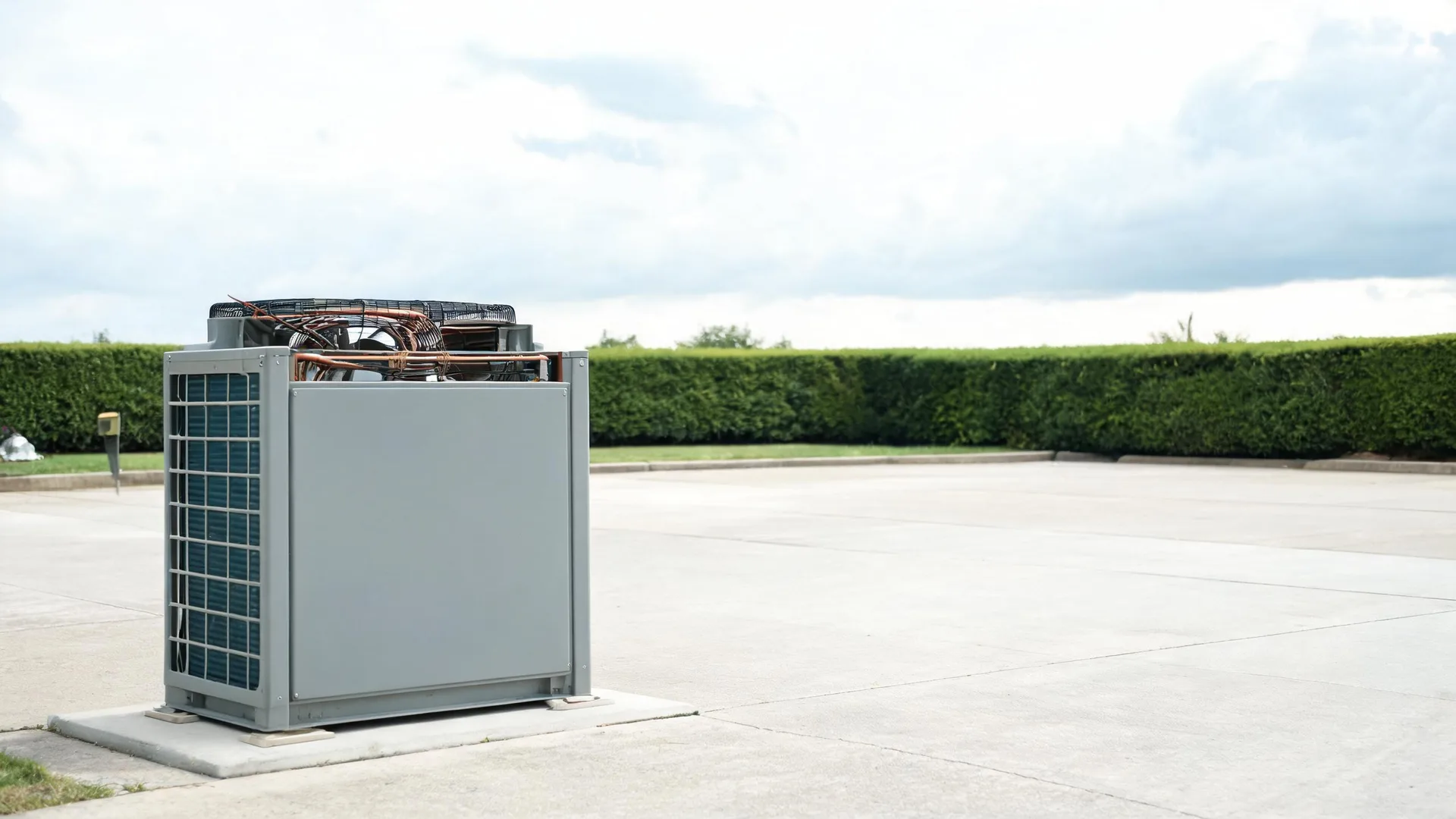
A gray residential air conditioning condenser unit mounted on a concrete pad outdoors, surrounded by green grass under a partly cloudy blue sky.

Little downtime to work with

Seven months of running leaves this system almost no real downtime between one season and the next. A part that is already wearing does not get much of a break to coast on before the next stretch of heat starts asking more of it again. That is the case for having it looked at before the season gets going rather than after something gives out in the middle of it.

What the refrigerant charge tells a tech

A system low on refrigerant still blows air, so nothing seems wrong from inside the house. But it cools less and the compressor works harder to do it, and that strain adds up over a season of steady running. Checking the charge against what the system calls for catches this before the compressor pays for it.

The failure that hides until it happens

A capacitor can test fine sitting still and still fail once it's asked to start the compressor under real load. That's why a tune-up tests it under load instead of just checking that it holds a charge. A weak one found ahead of the season is a part swapped on a bench. Found mid-summer, it's a dead compressor on the hottest day of the week.

An outdoor air conditioning condenser unit positioned on a concrete pad next to a blue-sided house, surrounded by green shrubs and flowering hydrangeas at sunset.

Book your AC tune-up in March, before homes here start needing cooling in April.

  1. Jan
  2. Feb
  3. Mar
  4. Apr
  5. May
  6. Jun
  7. Jul
  8. Aug
  9. Sep
  10. Oct
  11. Nov
  12. Dec

A tune-up checks the refrigerant charge, cleans the coils, tests the capacitor and tightens the electrical connections.

A tune-up worth paying for goes well past the filter. The outdoor condenser coil sheds the heat pulled from inside the house. When it's caked with dirt or grass clippings, it can't shed that heat well, so the compressor runs longer and hotter to do the same job. A tech cleans that coil, not just looks at it. The drain line gets checked too. Algae and dust build up inside it over time, and a blocked line backs water up into the house instead of draining outside where it belongs. Electrical connections get tightened as well, since a loose connection at the contactor runs hotter than it should and that heat wears the connection down further. None of this shows up from the thermostat. It shows up months later as a system that struggles to keep up or quits outright.