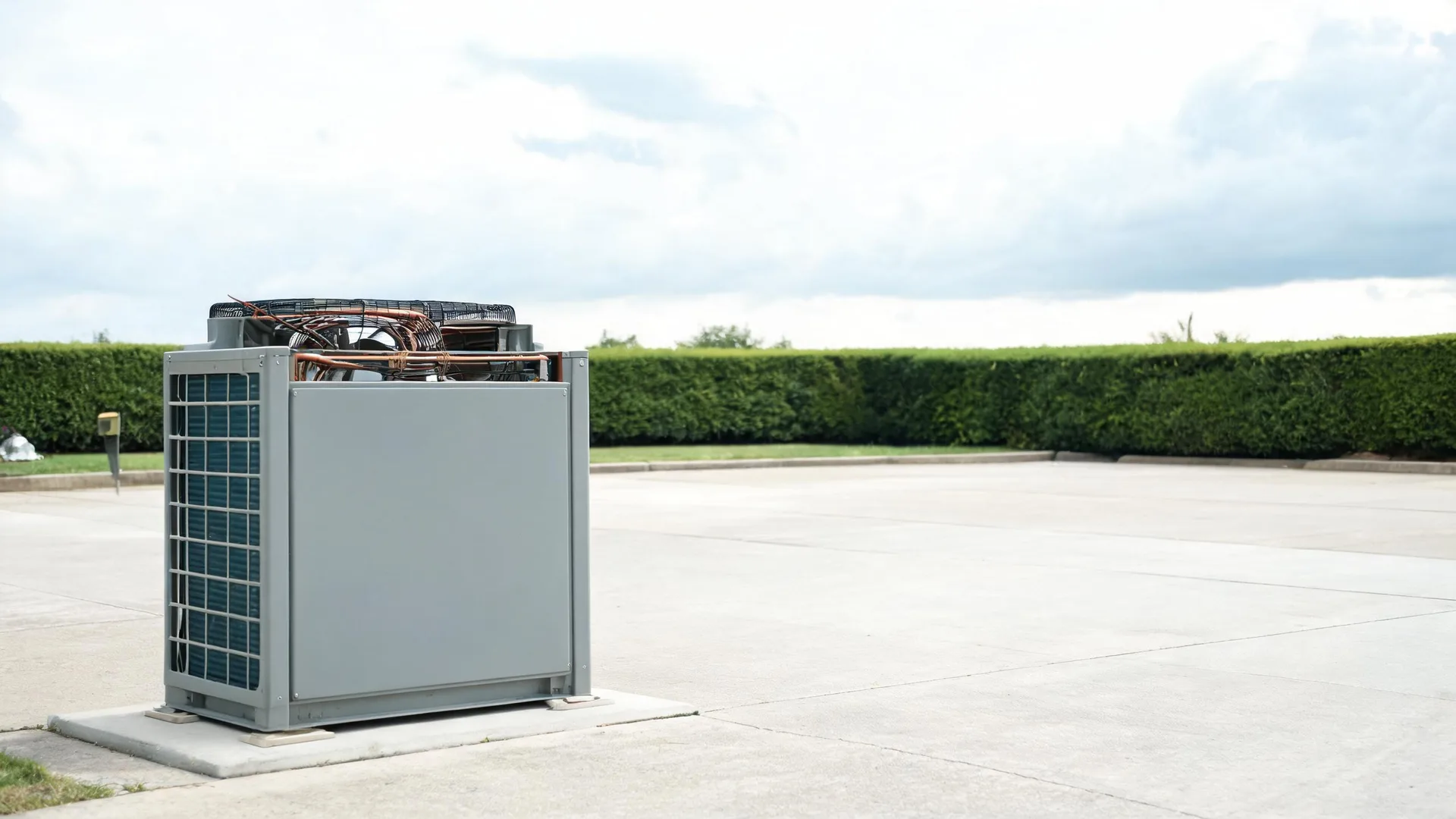
A dirty, strained AC pulls more power
An air conditioner working against a dirty coil or a low charge runs longer to cool the same house. That extra runtime shows up on the power bill every month it goes unfixed.
Takes about a minute. No obligation.
An air conditioner working against a dirty coil or a low charge runs longer to cool the same house. That extra runtime shows up on the power bill every month it goes unfixed.
Electricity in Pointe Coupee Parish runs about 11.34 cents per kilowatt-hour, lower than most of the country. Cheap power still costs more the longer a struggling unit has to run to keep the house cool.
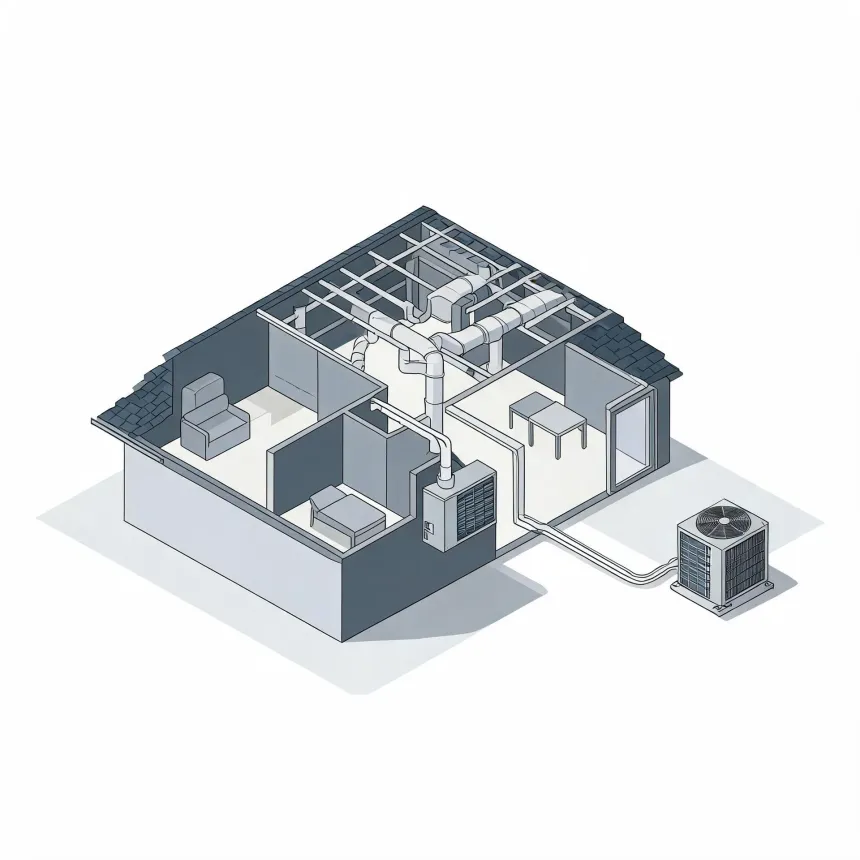
NOAA nClimDiv, 1991–2020 normals
April is when cooling starts in Pointe Coupee Parish.
Have the AC checked in March, before it has to carry the first hot month.



Cooling runs from April through October here, seven months of the year. Through June, July and August the afternoon high averages 92°F, and the air stays heavy with it, a dew point around 73°F. That is higher than most of the country sees. A unit built to cool a house doesn't get much of a break in a stretch like that. It runs long hours against heat and humidity both, and whatever is already weak in it, a dirty coil, a failing capacitor, gets found out early. Catching that before the season starts matters more here than in a place where the machine gets to rest half the year.
A unit running clean uses less power to do the same job. Here that difference shows up every month, not just a few. Getting it checked now is what keeps the bill from creeping up before you notice.
Find a contractorA unit that runs April through October does not get much downtime to show problems on its own. A tune-up puts it under a trained eye instead of waiting on a breakdown. Have it checked before April, while a worn part is still a quick fix instead of a no-cool call in August.
Air has to pass through the filter before it ever reaches the coil. When it's packed with dust, less air moves across the coil, and the coil can get cold enough to ice over. Once that happens the system is blocked solid and stops cooling until the ice melts. Changing the filter on a regular basis is the cheapest way to keep that from happening.
The outdoor coil gives up heat to the air outside, and if it's coated in dirt it can't do that well, so the compressor works harder and runs hotter. Inside, the drain line carries off the water the evaporator coil pulls from the air. When that line clogs, the water backs up and spills into the house instead of outside. A tune-up clears both before they turn into a compressor replacement or a water-damaged ceiling.
A tune-up checks the refrigerant charge, cleans the coils, tests the capacitor and tightens the electrical connections.
A tune-up is not just a filter swap. The tech checks refrigerant charge against what the system calls for, since too little or too much both make the compressor work harder than it should. The capacitor gets tested under load, because a weak one lets the compressor and fan motor pull more current than they're rated for right up until the day it quits outright. Electrical connections get checked for corrosion and tightened, since a loose connection builds heat and that heat burns components. The blower wheel gets inspected too, since a coating of dust on the blades throws it out of balance and cuts the airflow moving through the ducts. The condensate drain gets flushed so it isn't the thing that backs up the first humid week it has to work. Thermostat calibration and a check of the startup and shutdown cycle round it out, catching a system that short cycles before it wears out a compressor over it.