





Two single-story houses, one brick and one with light siding, both with covered front porches, set behind a mowed lawn and a tall green hedge under large moss-draped oak trees.

AC Maintenance in St. Gabriel, LA

Tell us about the job

Takes about a minute. No obligation.

Tune-up, service, or cleaningCentral ACIberville Parish, LA
Step 1 of 2

What ZIP code is the job in?

Electricity here actually runs cheaper than most of the country. That sounds like good news, and it is, but it also means the waste from a neglected system hides easier in a lower bill. A dirty coil or a low charge still makes the compressor work harder to cool the same house, and that shows up as extra runtime no matter what the rate per kilowatt-hour is. Since this unit already runs most of the year here, that extra draw adds up fast. A tune-up keeps the system working the way it was built to, so the bill reflects the cheap power this parish gets, not the cost of a unit straining to keep up.

7 months
April through October, your air conditioner is on duty
91°F
the average summer afternoon it cools against
12 hail events
in ten years, and hail bends the fins on outdoor coils
14 wind events
in ten years, and wind drives debris into outdoor units
Isometric cutaway illustration of a house interior showing ducted HVAC piping, an indoor air handler unit, and an outdoor condenser with fan connected by a line, rendered in grey tones on a white background.
Your air conditioner works hardest from May through September.

NOAA nClimDiv, 1991–2020 normals

This AC runs about seven months a year here, April through October, with afternoon highs averaging 91°F and a dew point near 73°F in summer.

That kind of stretch wears a system down early, so problems that would take years to show up elsewhere show up here in one season.

St. Gabriel's storms take their toll on the unit sitting outside

39 severe weather events from 2015 to 2024
49% of homes statewide lost power a day or more in 2024
14 damaging wind events from 2015 to 2024

April is when cooling starts here, and it starts right away, not with a few mild days to ease into. By the first warm week the compressor is already running long hours to pull the humidity down. A unit with a dirty coil or a weak capacitor going into that is working against itself from day one of the season. March is the month to get it checked, before the load hits. Catch a worn part in March and it's a quick fix. Catch it in April and the system has already been running hard on top of whatever was wrong with it.

A well running system is what keeps cheap power cheap

A tune-up gets the coil clean and the charge right, so the compressor stops working harder than it has to. Here, where this unit runs most of the year, that's the difference that shows up on the bill.

Find a contractor
An outdoor air conditioning condenser unit mounted on a concrete pad beside a house, with electrical conduit running to a wall-mounted disconnect box.

Seven months of running time, start to finish

Seven months of that workload means a tune-up early in the season catches what's already wearing thin, before July and August put the heaviest load on it. A capacitor or contactor that's starting to go usually shows some sign before it fails outright. Checked in spring, that's a part swapped on a scheduled visit. Missed, it's the system down in the hottest part of the year. The afternoons here average 91 degrees for three straight months. Nothing about that gives a strained system room to rest and recover between cycles.

The refrigerant charge is never a guess

A gauge set tells a tech whether the charge is right down to the ounce. Too little and the system loses its capacity to cool, too much and it puts extra strain on the compressor. Either way the thermostat still says the same number, and the air coming out of the vents still feels like it's working, so there's no way to catch it by hand on the vent or a look at the unit.

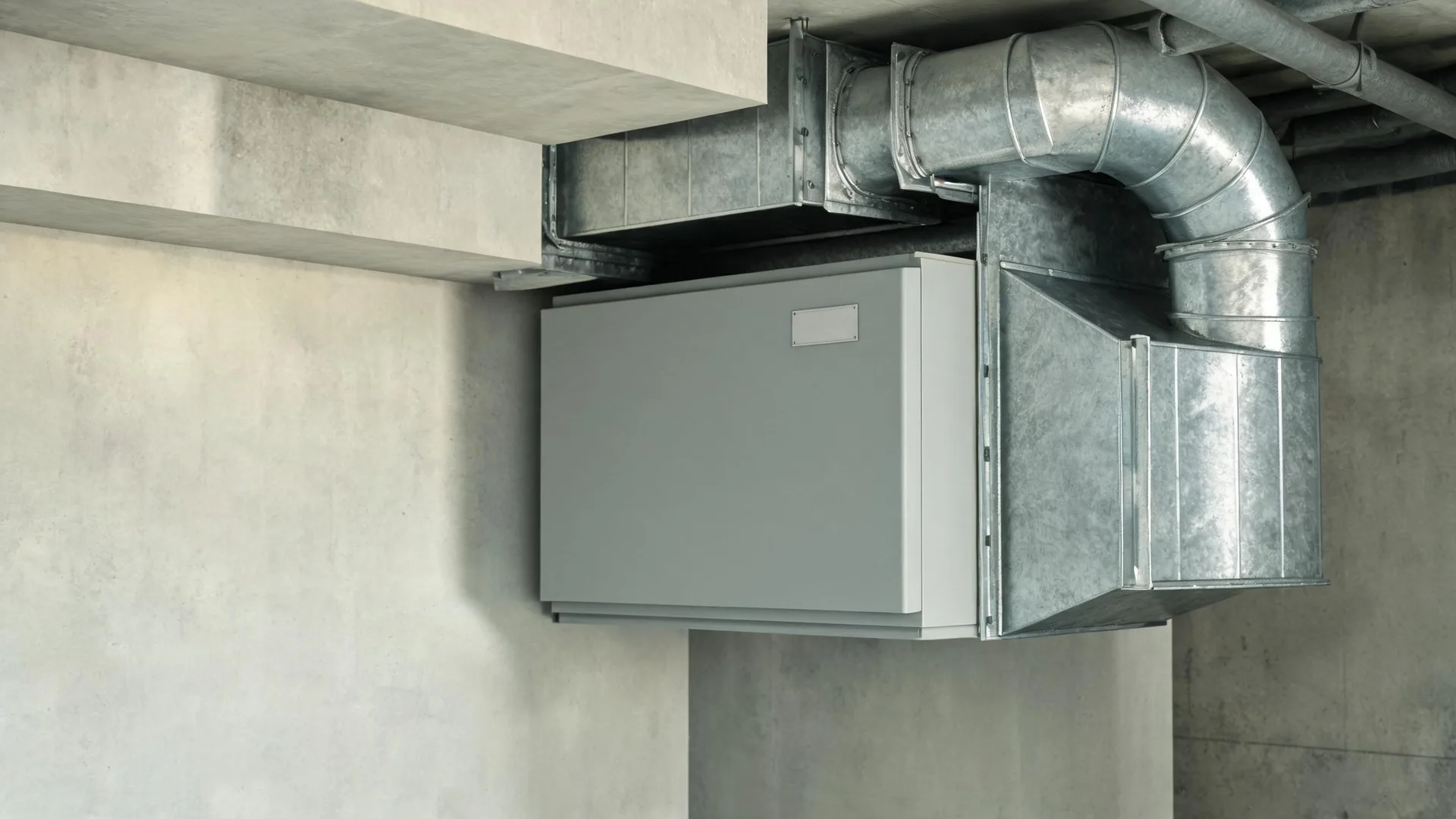
The coil fouls from the inside out

Dust and fine debris build up between the fins of the evaporator coil long before anyone sees it on the surface. That buildup acts like a blanket, holding heat against the coil instead of letting the refrigerant pull it away. A tech pulls the panel and checks the coil directly, because by the time restricted airflow shows up as a warm room, the coil has usually been fouled for a while.

Overhead view of a gray residential air conditioning condenser unit mounted on a concrete pad beside a house with asphalt shingle roofing.

Book your AC tune-up in March, before homes here start needing cooling in April.

  1. Jan
  2. Feb
  3. Mar
  4. Apr
  5. May
  6. Jun
  7. Jul
  8. Aug
  9. Sep
  10. Oct
  11. Nov
  12. Dec

A tune-up checks the refrigerant charge, cleans the coils, tests the capacitor and tightens the electrical connections.

A tune-up is a set list, not a once-over. The tech checks the refrigerant charge against what the manufacturer calls for, because too much or too little both cost capacity. The condenser coil and evaporator coil get cleaned, since either one caked with dirt makes the system work to move heat it should be moving easily. The blower motor and fan get checked for wear and the right airflow, because a system moving less air than it should cools less no matter how everything else is running. Electrical connections get tightened and the capacitor and contactor get tested, since those are the parts most likely to fail outright once they start to go. The condensate drain gets cleared too, because a clogged drain backs up and can shut the system down on its own. None of this is guesswork. It's the same list every time, because skipping one item just means that's the part that fails first.