






White plantation-style houses with wraparound porches lit at night, surrounded by Spanish moss-draped live oak trees.

AC Maintenance in Ville Platte, LA

Tell us about the job

Takes about a minute. No obligation.

Tune-up, service, or cleaningCentral ACEvangeline Parish, LA
Step 1 of 2

What ZIP code is the job in?

Electricity here runs 13.25 cents per kilowatt-hour, cheap next to most of the country. That sounds like good news, and it is, but it also means your air conditioner has no excuse for wasting it. A dirty coil or a low charge makes the compressor work harder for the same cooling, and it pulls that extra power every time it runs. Here, with the system on so much of the year, those extra kilowatt-hours add up fast even at a low rate. A unit running clean uses only what the job actually takes.

7 months
April through October, your air conditioner is on duty
92°F
the average summer afternoon it cools against
2 hail events
in ten years, and hail bends the fins on outdoor coils
18 wind events
in ten years, and wind drives debris into outdoor units
Isometric line illustration of a cutaway house showing interior rooms with ductwork, an air handler and furnace, connected by lines to an outdoor condenser unit on the ground outside.
Your air conditioner works hardest from May through September.

NOAA nClimDiv, 1991–2020 normals

Your AC runs about seven months a year here, April through October.

That is a long stretch for worn parts to hide before summer makes them obvious.

April starts hot here, so get the check in March

Cooling runs April through October
Climate zone 2A
Power here costs 13.25 cents per kilowatt-hour

Evangeline Parish recorded 18 damaging wind events and 11 tornadoes between 2015 and 2024, plus 2 hail events in that same stretch. That outdoor unit sits outside through all of it, with nothing but a thin metal cabinet around the coil and fan. Wind-blown branches and grit bend the fins and block airflow, and a bent cabinet can throw the fan off balance without you ever seeing it happen. Statewide, almost half of Louisiana households lost power for a full day or more in 2024, and a unit that sat through an outage is worth a look before it goes back to regular duty. A tune-up before summer is when a technician checks the cabinet, the fins and the fan for damage you would not catch from the back porch.

A clean system costs less to run

A tune-up gets the coil clean and the charge right, so the compressor stops working harder than it has to. With the system running most of the year here, that difference shows up on the bill before summer is over.

Find a contractor
A man seen from behind, wearing a dark long-sleeved shirt and brown pants, carries a canvas tool bag as he steps up wooden porch stairs toward a green front door, with a potted plant beside the entry.
An outdoor air conditioning condenser unit mounted on a concrete pad surrounded by gravel, photographed against a partly cloudy blue sky.

Get it checked before the heat finds the weak part

By the time July's 92°F afternoons arrive, your AC has already been running since April. A worn part does not wait for the hottest day to fail, it fails on whatever day it was going to fail, and a system running this many months a year gets there sooner. A tune-up now catches the parts that wear quietly, the ones that give out once the heat sets in for good.

A real tune-up means hands on the unit

A technician pulls the panel and washes the condenser coil instead of just looking at it. They check refrigerant charge with gauges, not a guess based on how cold the air feels. The capacitor gets tested under load, since a weak one can still start the compressor and fail a month later. Contacts get checked for pitting, the condensate drain gets flushed, and the blower wheel gets looked at for caked-on dirt. Each of these takes time, and skipping any of them just means the failure shows up later instead of now.

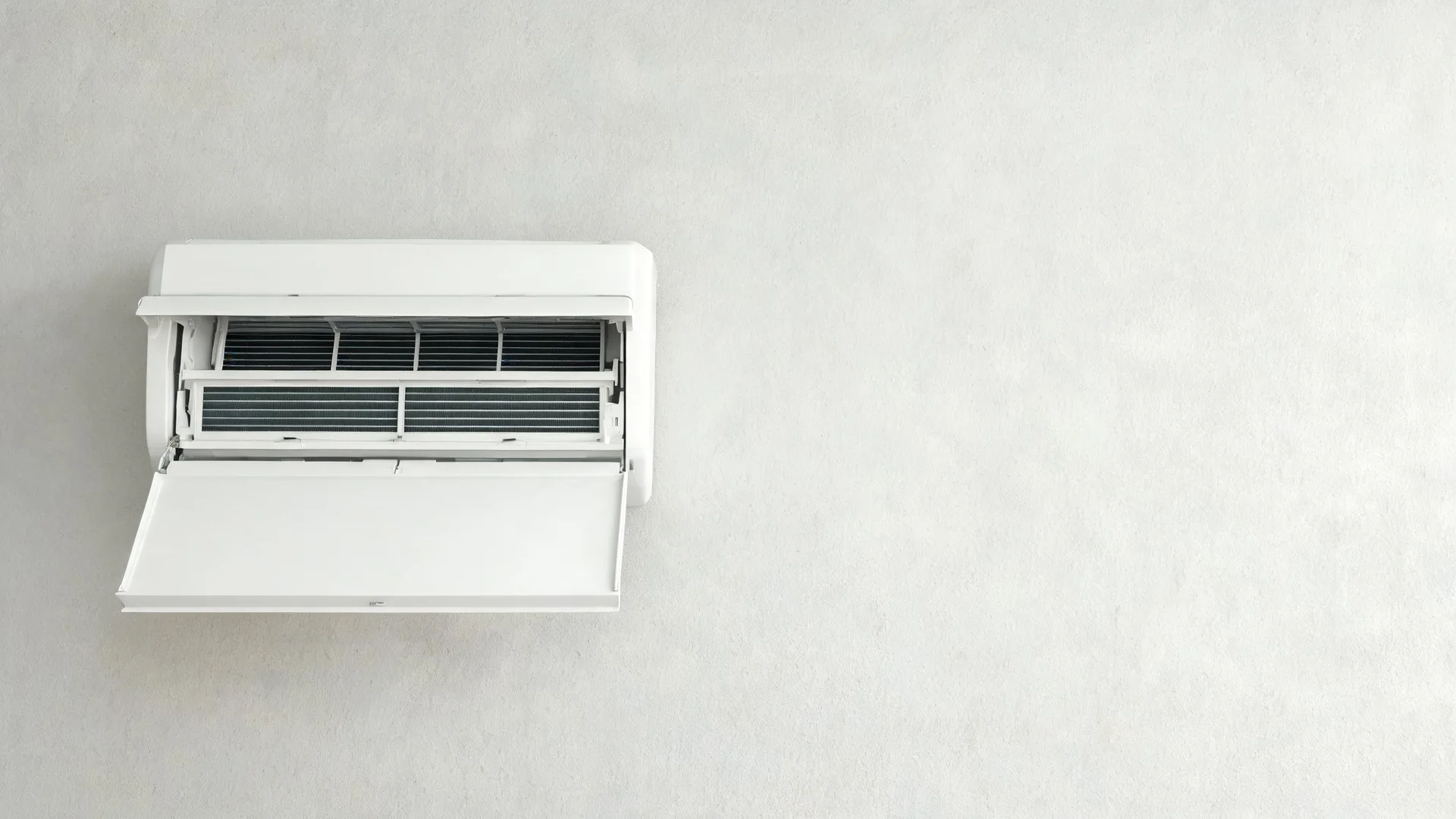
A quick visit just checks that it runs

Some visits amount to turning the system on, watching cold air come out of the vent, and calling it done. That tells you the unit works today. It does not tell you the coil is clean enough to transfer heat the way it should, or that the charge is right, or that the capacitor still has the strength to start the compressor every time it cycles. A system can run and still be wearing out the parts that matter. The difference only shows up later, when something fails that a real inspection would have caught.

Aerial view of a square outdoor air conditioning condenser unit on a concrete pad beside a house wall with a sliding glass door.

Book your AC tune-up in March, before homes here start needing cooling in April.

  1. Jan
  2. Feb
  3. Mar
  4. Apr
  5. May
  6. Jun
  7. Jul
  8. Aug
  9. Sep
  10. Oct
  11. Nov
  12. Dec

A tune-up checks the refrigerant charge, cleans the coils, tests the capacitor and tightens the electrical connections.

A tune-up starts outside at the condenser. The coil fins get washed clean of the dust and grass clippings that choke airflow, because a dirty coil cannot shed heat the way it was built to, no matter how strong the compressor is. The refrigerant charge gets checked against what the system calls for, not guessed at. Too little charge and the compressor runs long and still falls short; too much and it strains the same compressor from the other direction. The capacitor gets tested under load, since it can still kick the compressor on and fail a few weeks later. Inside, the blower wheel gets checked for caked-on dirt, because a dirty wheel moves less air even when the motor runs fine, and the condensate drain gets cleared so the system has somewhere for that water to go.