






Overhead view of an outdoor AC condenser unit on a concrete pad next to a house with a dark shingle roof.

AC Repair in Hammond, LA

Tell us about the job

Takes about a minute. No obligation.

RepairCentral ACTangipahoa Parish, LA
Step 1 of 2

What ZIP code is the job in?

Your AC runs about seven months a year here, April through October. Afternoon highs average 91°F in June, July and August, and the dew point averages 73°F those same months, heavier air than most of the country sees. That's what the system is pulling moisture out of, day after day, most of the year. That kind of steady demand is why parts give out sooner than the manual suggests, and why a small issue now is worth having looked at before it turns into a bigger one.

7 months
April through October, your air conditioner is on duty
91°F
the average summer afternoon it cools against
14 hail events
in ten years, and hail bends the fins on outdoor coils
48 wind events
in ten years, and wind drives debris into outdoor units
Isometric line illustration of a cutaway single-story house showing interior rooms, attic ductwork and an air handler, connected by a line to an outdoor condenser unit on a pad.
Your air conditioner works hardest from May through September.

NOAA nClimDiv, 1991–2020 normals

AC starts running in April here.

March is the month to get a weak part checked, before the first real load finds it.

Tangipahoa Parish sees its share of storms, and this is what that means for your AC

86 severe weather events from 2015 to 2024
49% of homes statewide lost power a day or more in 2024
48 damaging wind events from 2015 to 2024
A Struggling AC Still Costs You Every MonthElectricity here runs about 11.91 cents a kilowatt-hour, cheaper than most places. A broken AC running long hours still adds up on the bill.

Half the homes in Tangipahoa Parish were built in 1993 or later. If yours is one of them, the AC that came with it is probably not as old as the house itself, and even the original unit may still have good years left. A newer house also means newer ductwork and electrical, so a repair technician is usually working on a system that was put in right, not one patched together over decades. That matters when you're deciding whether to fix what's wrong or start thinking about replacement. Most of the time, with a system this age, repair is the right call.

Get It Diagnosed Right, Not Just Patched

Whatever's acting up on your AC right now is worth having a contractor diagnose properly. Find the actual part behind it and the fix holds through the next stretch of hot months instead of showing up again in July.

Find a contractor
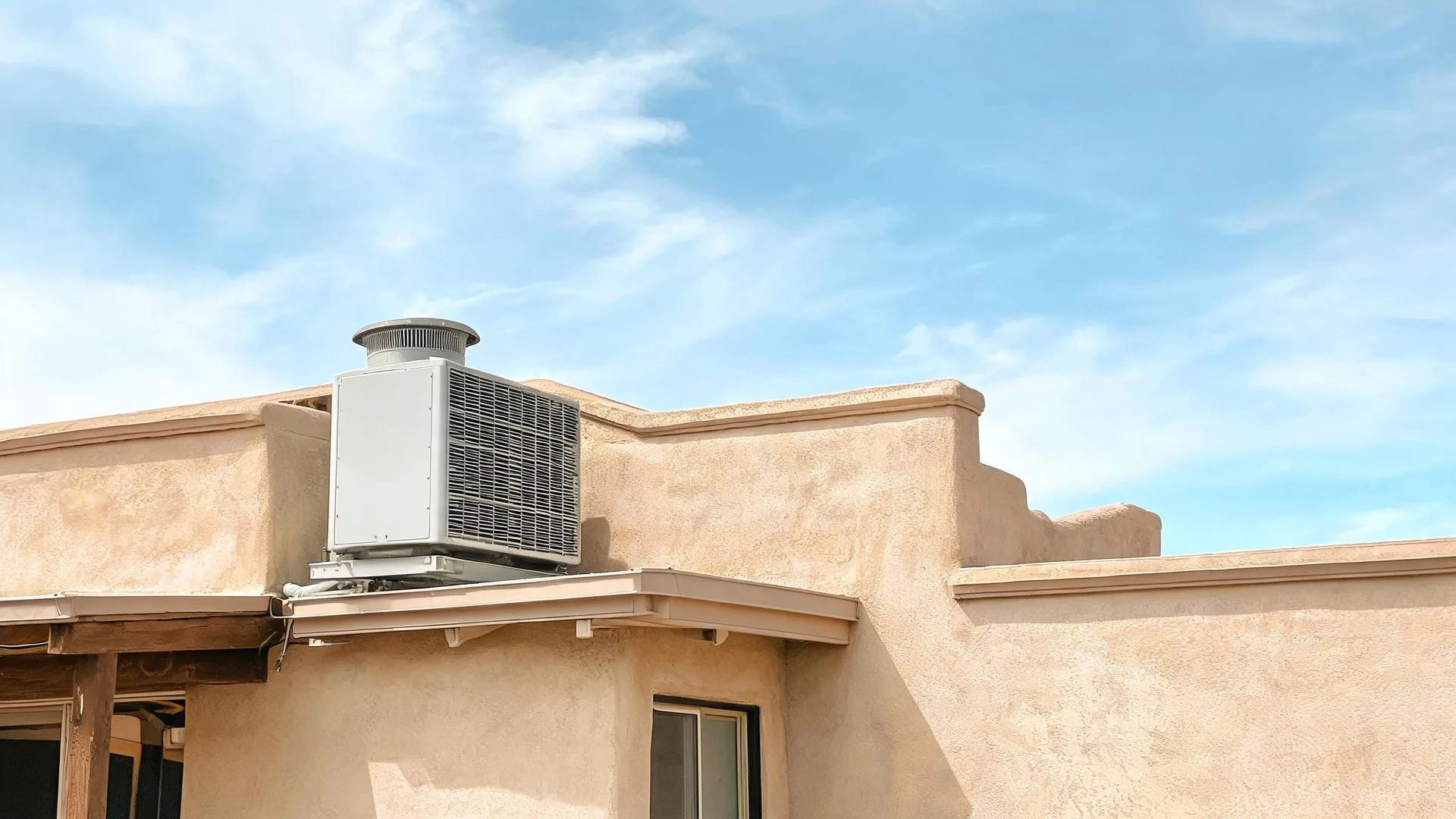
An outdoor air conditioning condenser unit mounted on a concrete pad surrounded by gravel, photographed against a partly cloudy blue sky.

Know Your System's Age Before You Decide Anything

Call a repair tech before you call a salesman. A unit running inside a newer system is worth fixing when something goes wrong, not replacing outright. Ask whoever comes out how old your unit actually is and what shape the rest of the system is in. That answer should drive the decision, not a guess.

Warm Air Blowing, or No Air at All

If the air coming out feels warm instead of cold, or barely moves, something in the cooling or airflow side has quit. A dirty filter can choke airflow down to nothing, but if the filter is clean and the air still won't cool, the compressor or the refrigerant charge is the likely suspect. Either way it's worth a call before the house heats up past what fans and shade can fix.

Noises and Smells That Weren't There Before

A grinding or squealing sound usually means a motor bearing is going out. A burning smell points to an electrical problem, maybe a wire or a relay, and that one shouldn't wait. A musty smell usually means water sitting where it shouldn't, which left alone can mean a bigger repair than the one you've got now.

Aerial view of a gray outdoor air conditioning condenser unit mounted on a concrete pad next to a house with vinyl siding.

A new air conditioner would cut about $60 a year off cooling for a typical Tangipahoa Parish home.

  • A new one at the federal minimum, 14.3 SEER2$440 a year
  • An older air conditioner$500 a year

Estimates for a typical Tangipahoa Parish home, compared with an older unit built to the previous federal minimum, from EIA household energy data, Louisiana fuel prices and NOAA climate normals. Your home will differ.

Repair makes sense when a part like a capacitor or contactor has failed.

Replacement makes sense when the compressor has failed or the system uses R-22 refrigerant, which is no longer made.

Repair makes sense as long as the fix addresses the actual failure and the rest of the system is sound. Replacement starts to make more sense when the same unit keeps calling for a tech, or when the repair being quoted is a major component like a compressor rather than a part that wears on its own, like a capacitor or a contactor. Age factors in too, but age alone doesn't decide it. A unit that's been maintained and only now has a single part fail is a different situation from one that's had something new go wrong every season. The condition of the ductwork and the electrical feeding the system matters as well, since a sound unit tied to failing ductwork won't perform right no matter what gets fixed. A good contractor will walk through what's actually wrong, what it costs to fix versus what a new system would run, and let you weigh it, rather than pushing straight to replacement.