

Drain Line Clear
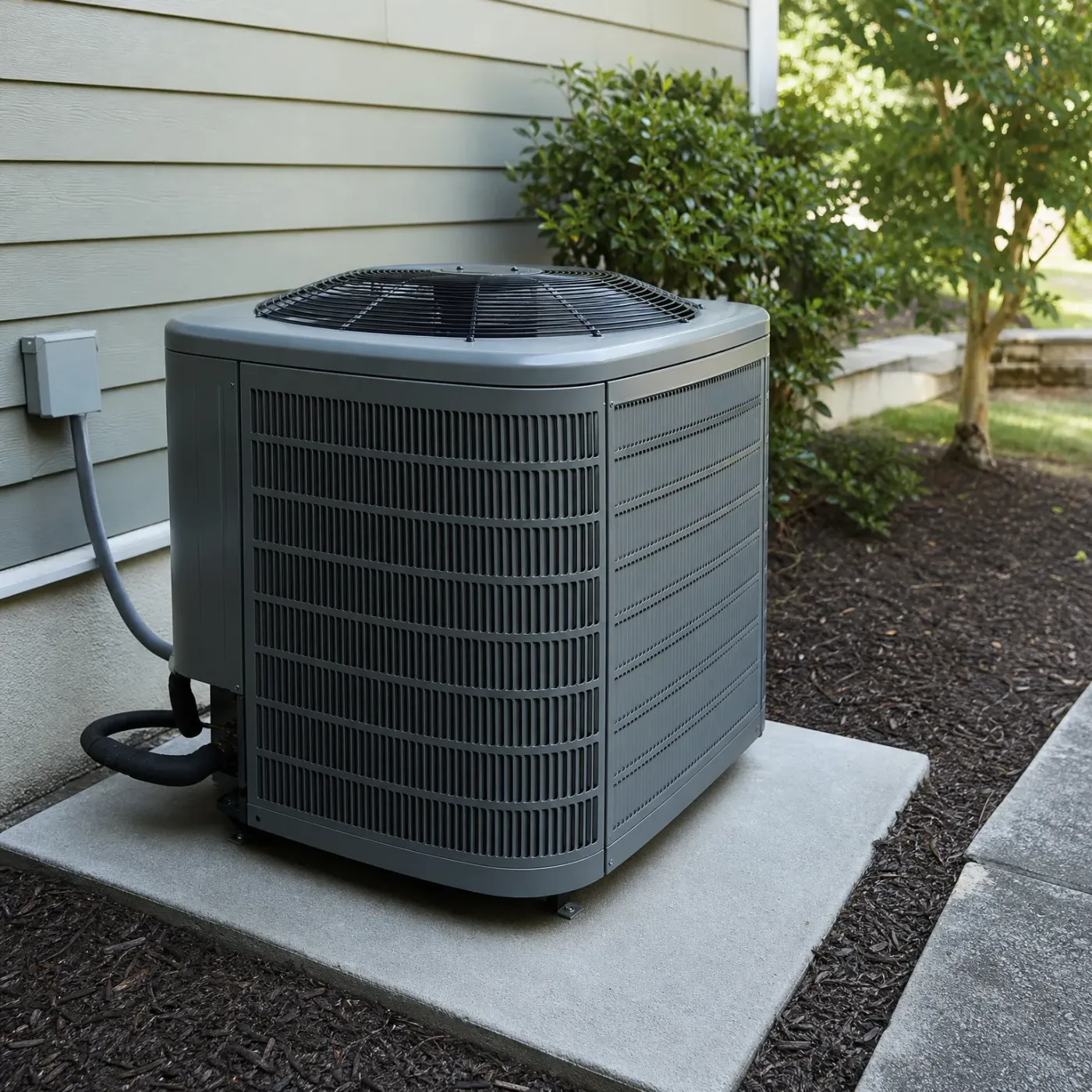
Water runs off the coil into the pan, down the drain line, and out past the foundation. The unit sits clean and dry on its pad, doing what it's built to do through a long Hammond summer.
Water inside almost always means the condensate line or drain pan, not the refrigerant side. Your AC pulls a lot of moisture out of the air during a Hammond summer, and that water is supposed to run down a drain line and out of the house. When that line clogs with algae and dirt, or when the drain pan rusts through or sits out of level, the water backs up and drips into the house instead, usually near the indoor unit or from a ceiling if the unit sits in the attic. A dirty air filter can cause the same thing from a different angle, by freezing the coil, which then thaws and dumps more water than the pan can handle. None of this means the unit is ruined, but it will keep happening on every humid day until the line is cleared or the pan is fixed, and water finding its way into your ceiling or walls is its own problem if it sits too long.
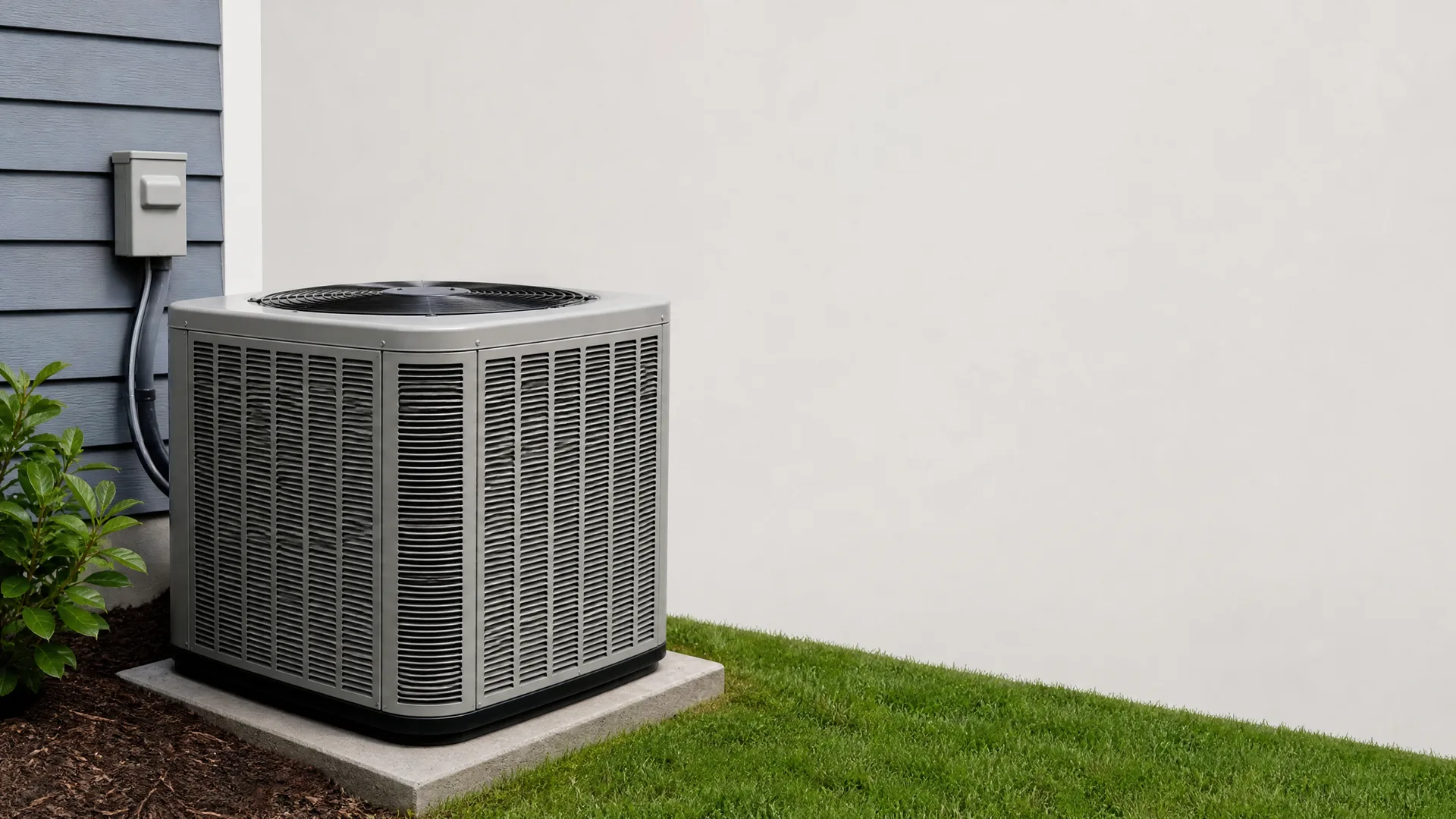
Water runs off the coil into the pan, down the drain line, and out past the foundation. The unit sits clean and dry on its pad, doing what it's built to do through a long Hammond summer.

Algae and dirt build up inside the drain line until water backs up into the pan and spills over. A coil this dirty blocks airflow too, and a blocked coil can ice over and add its own water when it thaws.
Water showing up on the floor near your indoor unit or dripping from the ceiling is alarming, especially when the AC seems to be running fine otherwise. You want to know where that water is actually coming from before it ruins a floor or a ceiling in your Hammond home.
Warm air moving over the evaporator coil drops its moisture as condensation, and that water is meant to collect in the drain pan under the coil, then flow out through the condensate line to the outside of the house. Algae and dirt build up inside that line over a Hammond summer, and once it's blocked, the pan fills and overflows into the house instead of outside. Sometimes the line is clear but the pan itself has rusted through or cracked with age. Either way, the water you're seeing started at the coil, not somewhere in the ductwork or the refrigerant lines, and it means the normal path out of the house has stopped working.

This is a condenser doing its job. The panels are clear, the pad is dry, and the disconnect box and wiring sit untouched on the wall. Nothing here points to a clog building up inside.

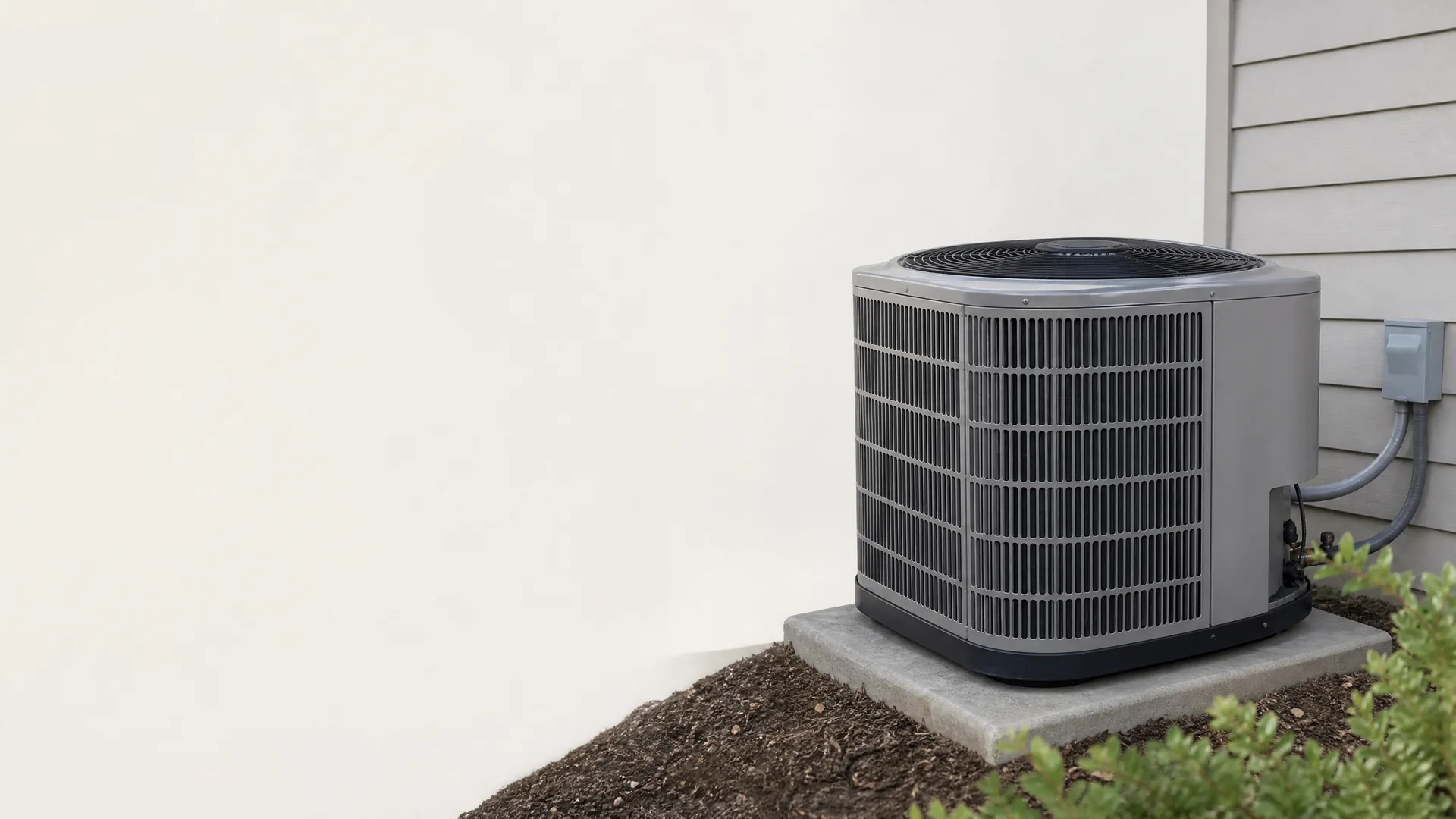
Dirt and grime coat the louvered panels and the fan grille on this older unit. That same kind of buildup collects inside the drain line and pan, and it's often what backs up water into the house before anyone notices it on the outside.




A drip near the indoor unit rarely stays small in a Hammond summer. The air handler runs for hours pulling moisture out of the air, and all of that water needs somewhere to go. When the line backs up, the pan takes over, and once the pan is full it has nowhere left to send the overflow but down into your ceiling or across your floor. If the unit sits in the attic, that shows up as a stain spreading overhead before you ever see a drop on the ground. A musty smell near a vent or closet often shows up first, since standing water grows algae fast in this heat. Left long enough, the water sitting under the unit can soften the subfloor or the drywall around it, and that repair runs well past what clearing a line would have cost. Some systems shut the AC off the moment the pan fills, through a float switch built in for exactly this. That stops the leak from spreading, but it also means no cool air in the house until someone finds the clog and clears it.


Warm, humid air passes over the cold evaporator coil inside
Moisture in the air condenses into water on the coil
Water drips off the coil into the drain pan below
The pan feeds water into the condensate drain line
A spot on the carpet or floor under a vent, a stain spreading across the ceiling if your air handler sits in the attic, or a musty smell in a closet near the unit. Sometimes it's just a puddle by the indoor unit itself, or water running down a wall. If you've got a drain pan with a float switch, the system may have already shut itself off, and your house is losing cooling along with the leak. Left alone, that water sitting in the pan or soaking into drywall and insulation gives mold a place to start, and a ceiling stain usually means the drywall underneath has already taken on water.


Get the air conditioner repair search off your mind today.
No charge to send it. You decide if you hire them.
The drain pan under your indoor unit only holds so much. Once the line out of it clogs, water has nowhere to go but up and over the edge. Most pans sit right below the coil, so an overflow shows up fast, often within a day of the clog forming, especially with an attic air handler pulling moisture nonstop through a Hammond summer.
The condensate line relies on gravity the whole way out of the house. It needs a steady downward slope from the pan to wherever it empties outside. If a section sags or the line gets knocked out of position, water sits in the low spot instead of draining. Algae and dirt collect in that standing water fastest, which narrows the line further and makes the next clog form sooner.

A summer dew point averaging 73°F across Tangipahoa Parish, per NOAA climate data, means the air itself is heavy with moisture before your AC even starts working on it. That's the load your coil is pulling water out of for hours on end through a Hammond summer. More moisture condensing means more water moving through that drain line every single day. A line that's narrowing with algae or dirt has less room to spare, and at 73°F dew point there isn't much slack in the system to begin with. That's why the pan overflow or the ceiling stain tends to show up during the stretch of the summer when the air is thickest, not in a milder month.
NASA POWER T2MDEW


Seven months of the year, your coil is pulling water out of the air for hours at a time, and every bit of it needs somewhere to go. That's a long stretch for a drain line to stay clear on its own. A clog that would just be a minor nuisance in a short cooling climate has all summer and most of fall to turn into a wet ceiling or a ruined floor here.
NOAA nClimDiv 1991-2020
Whatever room you found it in, the cause is almost always the same. Water on the floor by the indoor unit, a stain spreading across the ceiling under an attic air handler, a musty smell in a closet nearby, it all traces back to a condensate line that stopped draining or a pan that filled past its edge. The refrigerant side has nothing to do with it. Your coil is still pulling moisture out of thick Hammond air, hour after hour, and that water still needs somewhere to go. When the line out stays clear, none of this happens. When it clogs, the pan takes over until it can't anymore.
Turning the system off buys you time. The dripping stops because the coil stops making condensate, but the clog sits there untouched, and the pan stays full until someone clears it. That's not a fix, it's a pause. The actual problem, algae or dirt built up inside the line, doesn't go away on its own, and running the AC again without clearing it just starts the overflow over.
A contractor who handles this can open the line, check the pan for damage, and confirm the system is draining the way it's supposed to before anyone turns it back on. Once you send the form, that search is off your plate. You won't be the one tracking down who's available or whether they do this kind of work. Someone who does reaches out to you instead.
After you send the request, you're done searching.
There's no charge for the request.