





Profile view of a bearded man wearing a dark baseball cap and a dark crew-neck t-shirt against a plain light gray background.

Heat pump leaking water in Baton Rouge, LA

RepairHeat PumpEast Baton Rouge Parish, LA
Step 1 of 2

What ZIP code is the job in?

Why is my heat pump leaking water?

You walked by your heat pump's indoor unit and found water on the floor or a wet patch on the ceiling below it. It runs almost year round here, so a puddle gets your attention fast. You want to know if this is something minor or if it's going to turn into a bigger problem for your floor, your ceiling, or the system itself.

Usually a clogged condensate drain line

A heat pump pulls moisture out of the air it cools, and that water is supposed to run out through a drain line to the outside. In Baton Rouge, where the air is humid most of the year, that line handles a steady flow and algae or sludge can build up inside it fast. Once it clogs, the water backs up and spills out of the drain pan instead, usually near the indoor unit in a closet, attic, or utility room. It can also mean the drain pan itself has rusted through or cracked, or the condensate pump has failed if your system uses one. Either way, the water has to go somewhere, and in a system that runs this much, a clog finds you quickly.

  1. Warm indoor air passes over the cold indoor coil.

  2. Moisture in the air condenses on the coil's surface.

  3. Water drips off the coil into a drain pan below.

  4. The pan feeds a condensate line that drains outside.

Why does my heat pump drip so much water in Baton Rouge?

  • Winter nights average 42°F

    Your heat pump runs cooling mode from April through October here, so the indoor coil spends most of the year pulling moisture out of the air and sending it down that drain line.

  • Heat runs November through March

    Mild winter nights averaging 42 degrees mean the heat pump still pulls double duty, running heat November through March without a long stretch of rest for the coil or the pan.

  • Cooling runs April through October

    With heat running five months and cooling running seven, the system is on and condensing water nearly every month of the year, so a clogged line gets little time to dry out on its own.

NOAA nClimDiv 1991-2020

Water from the drain line outside

Go outside and find the white PVC pipe near your outdoor unit or along the wall near the indoor unit. This is the condensate line, and it should be dripping steadily during the day when your heat pump is cooling. That drip is normal, especially on a humid afternoon here. The line is doing its job, carrying water away from the coil and out of the house. You might see a small puddle where it empties onto the ground or into a splash block. As long as the water is coming from the end of this pipe and not from the unit itself, the system is working the way it should. No call is needed for this.

Water from the unit itself

Water showing up on the floor next to the indoor unit, on the ceiling below it, or around the cabinet is a different matter. That means water is leaving the drain pan before it reaches the drain line, or the line is blocked and backing up into the pan until it overflows. A wet spot that keeps coming back, a stain spreading across the ceiling, or standing water under the unit all point to the same place: something between the coil and the outside pipe isn't carrying water where it should. This is worth a call. Left alone, it can damage flooring, drywall, or the unit's own electrical parts.

A smiling bearded man in a dark gray t-shirt sits on a gray couch in a living room, with a large glass bowl of popcorn on a wooden table in the foreground.
A smiling middle-aged man in a dark shirt sits on a gray sofa in a living room, with a bowl of popcorn on a side table and shelves, a window and kitchen area behind him.
A smiling man in a green long-sleeved shirt sits on a beige sofa in a living room, with a bowl of popcorn in the foreground, a large potted plant and shelving behind him.
A smiling bearded man in a dark green hooded jacket and blue t-shirt sits on a couch in a living room with shelves, a potted plant, and a bowl of popcorn on a wooden table.
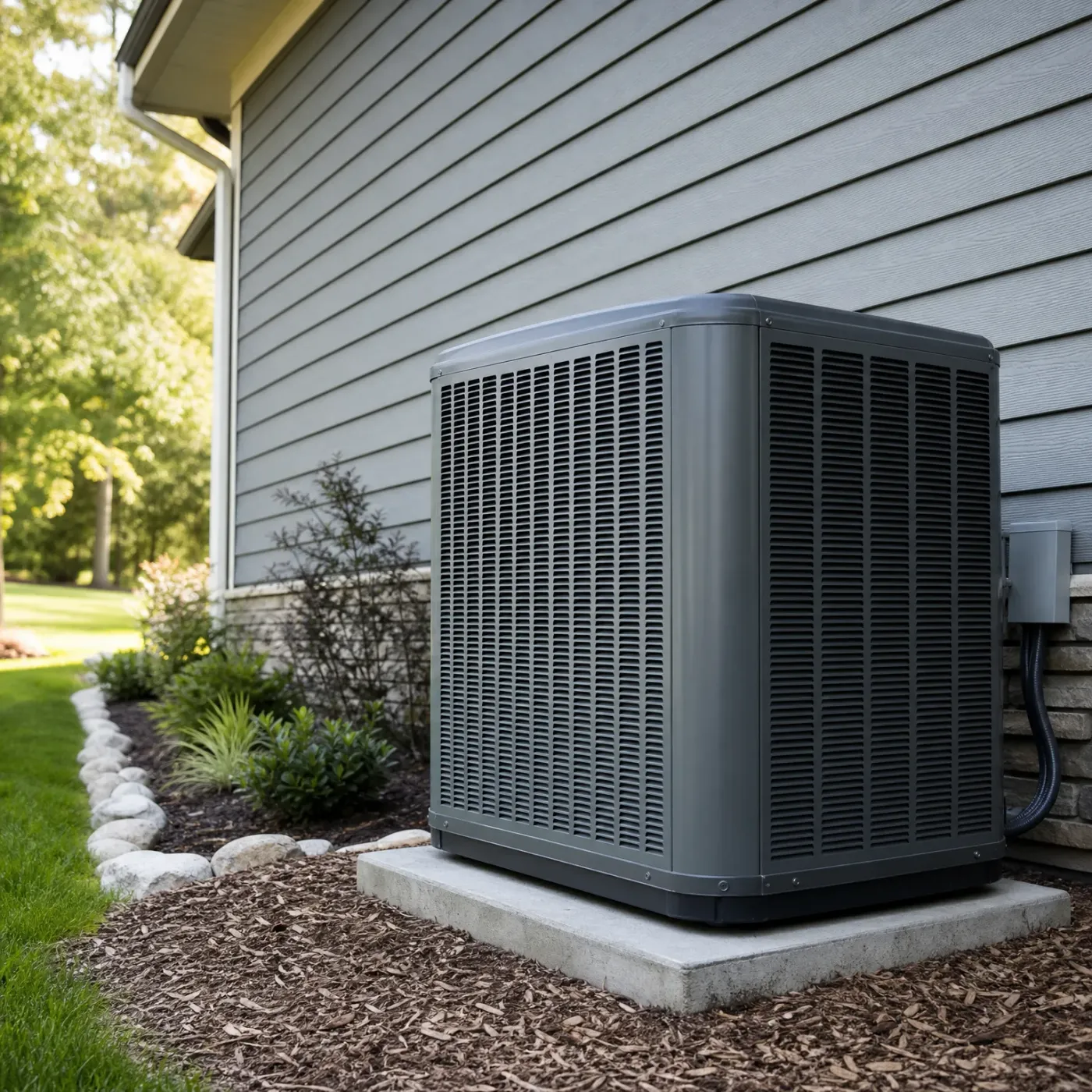
A gray outdoor condenser unit on a concrete pad beside a house with light gray lap siding, surrounded by mulch, shrubs, a stone border and lawn.

Hand off the search today

A licensed pro who repairs heat pumps in East Baton Rouge Parish gets your request.

Send it once and finding someone is no longer on you.

Reach a local pro

It costs nothing to send, and you don't have to hire anyone.

What's that water doing to your house?

Look at the floor under the indoor unit, or the ceiling below it if the unit sits in the attic. A clogged drain line shows up as a stain spreading across ceiling drywall, or a soft, damp spot in the carpet or wood flooring nearby. Check the drain pan itself for rust or a hairline crack along the bottom. If the water's been sitting a few days, you might notice a musty smell before you see anything. Left alone, that water will soften drywall, warp flooring, and give mold a damp, dark spot to take hold, especially with how humid it already is inside a Baton Rouge house for most of the year.

A gray outdoor condenser unit on a concrete pad beside a light-colored horizontal-siding house, with a disconnect box and refrigerant line on the wall, ornamental grasses and a shrub in mulch nearby, and a concrete patio in the foreground.

Drain line clear, pan draining

This is what a heat pump outside your house looks like when the condensate system is doing its job. The line stays clear, the pan empties as it should, and nothing backs up into the house. No standing water near the pad, no rust starting on the cabinet.


An outdoor condenser unit on a concrete pad beside a horizontal-sided house, with insulated refrigerant lines running to a wall-mounted box, surrounded by bare dirt.

Age and wear add up to a leak

An older unit like this has had more years for the drain pan to rust through or the line to collect sludge. The siding and wall behind it show the weathering too. If your outdoor unit looks like this, check the pan and line before the water finds drywall or flooring.

Call Now or Watch It First

Call a contractor now

  • Water is dripping from the ceiling below an attic unit or spreading fast across the floor, and it won't wait until the weekend.
  • A musty smell or visible mold around the indoor unit means the water has been sitting longer than you think.
  • The breaker trips repeatedly or the unit won't run at all, which points to water reaching the electrical side.
  • Standing water sits in the pan even after you've shut the system off, so the clog or crack isn't clearing on its own.
  • You've already tried clearing the line yourself with a wet-dry vacuum and the water keeps coming back.

Try this first

  • A small amount of water around the outdoor drain line during a muggy afternoon is normal while the system runs.
  • You can see the clog is near the end of the line outside and a shop vac held to the opening pulls it free.
  • The float switch tripped and shut the system down, but there's no ceiling stain or standing water once you reset it.
  • The drip is new, light, and only showing up after a heavy rain, with no sign of damage to the floor or ceiling yet.
  • You caught it early, before the week of leaking it takes to soften drywall or warp a wood floor.
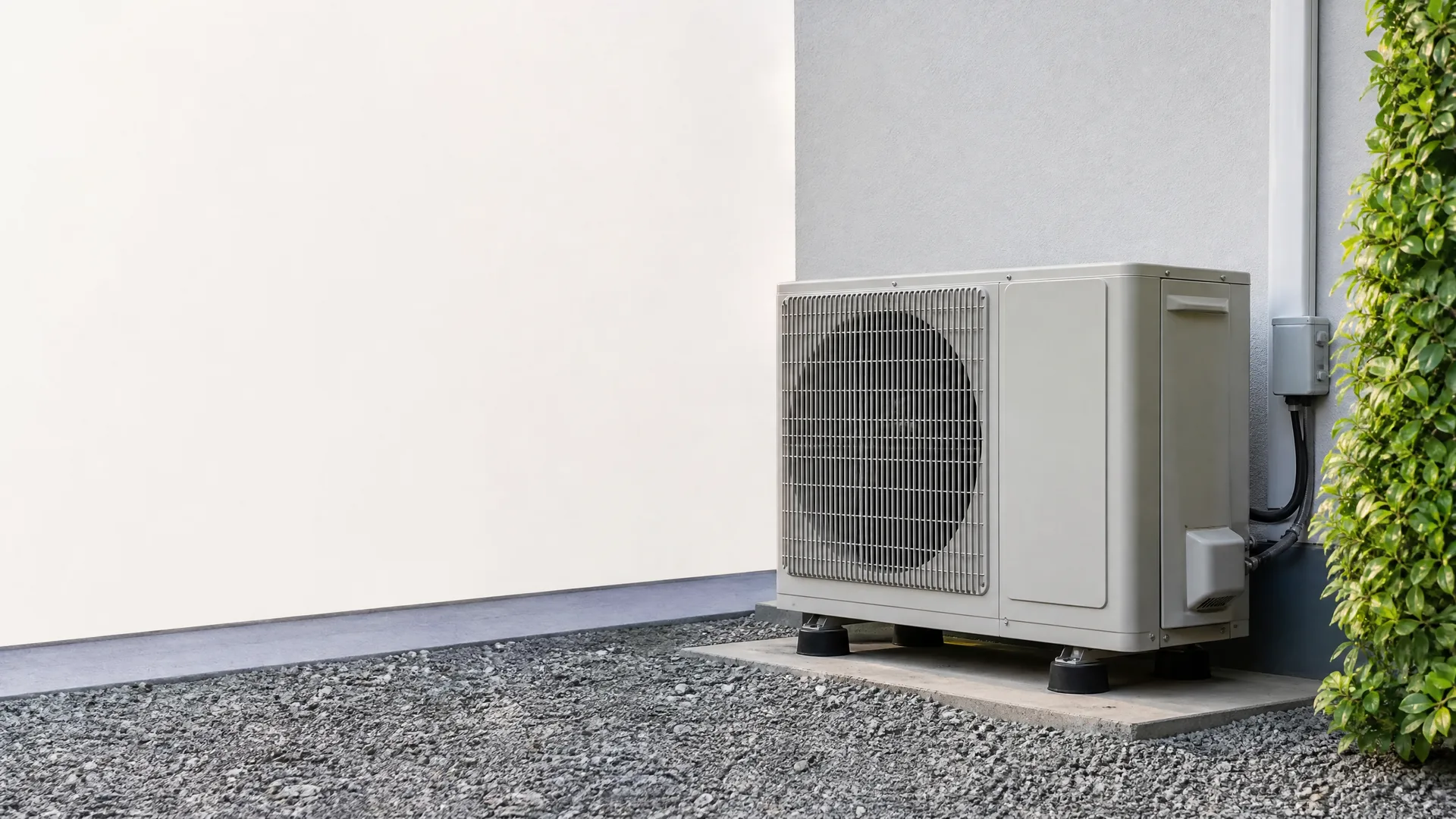
A white outdoor heat pump unit with a fan grille sits on a concrete pad surrounded by light gravel, against a beige stucco wall with wood paneling to the left.

The drain line clogs from the inside

Algae and mold grow inside that condensate line because it stays wet almost every month of the year here. The buildup narrows the pipe slowly, so the line still drains for a while even as it fills in. Once it closes off, water backs up into the pan and the pan overflows. A contractor can flush the line clear, and on a system that runs this much, that line is worth checking more than once a year.

An outdoor air-source heat pump unit with a circular fan grille stands on a concrete pad over gravel beside a light stucco wall, with a green shrub at the right edge.

The pan itself can fail

Drain pans are metal or plastic, and both rust or crack with age. A pan that's been sitting under years of condensation can corrode through at the seams, or a plastic one can warp from the weight of standing water. Once the pan has a hole or a crack, it doesn't matter if the line is clear. Water finds that gap and drops straight through to the floor or ceiling below, and the only fix at that point is replacing the pan.

Power here costs 12.50 cents per kilowatt-hour

At 12.50 cents a kilowatt-hour, running the blower and compressor longer to fight a clog costs you less here than in most places. That's not a reason to let a leak sit. A pan that keeps overflowing will warp your floor or stain your ceiling long before the power bill tells you something's wrong.

EIA-861 2025

A gray outdoor condenser unit on a concrete pad beside a light green lap-sided house, with a wall-mounted electrical disconnect box, mulch bed with shrubs, river rock, and a paved walkway in the foreground.
The pad is clear, the line drips steady, and the ground around it stays dry.
An outdoor air conditioner condenser unit on a concrete pad beside a house with horizontal siding above a concrete block foundation, with insulated refrigerant lines and a vertical white pipe on the wall.
Here the foundation's gone damp and the refrigerant lines sit against a stained block wall.

A heat pump leaking water almost always comes down to the drain line or the pan, and both are things a contractor who works on these systems all year can clear or replace in one visit. Your system runs cooling mode most months here, so that drain line has earned the clog by now, and that's the first place to check before anything more serious gets blamed. Once you send the request, you're matched with one licensed contractor local to Baton Rouge, not a handful of companies competing for your callback. Someone who services heat pumps through a Baton Rouge summer has cleared this exact line more times than they can count, and knows whether your leak is a five-minute fix or something the coil or pan needs attention for too. That's who shows up. The water on your floor or your ceiling has an answer, and it's a straightforward one for someone who sees it every week in this parish.

A lit ceramic table lamp with a linen shade sits on a round wooden side table with a small vase of greenery and a dark shallow bowl, beside a beige upholstered sofa with a cushion and knit throw, below a framed artwork on a pale wall.
Corner of a beige linen sofa with a large woven cushion and a fringed knit throw, beside a potted leafy tree in a woven basket against a neutral wall.
Sunlit interior corner with a wood-framed armchair with beige cushions and a striped pillow, a leafy plant in a tall ceramic pot, a window with wood sill showing green foliage outside, and dark wood flooring.
A lit black path light beside a stone walkway leading to a dark front door of a white clapboard house, with shrubs and flowering plants in the bed at dusk.
A covered porch at dusk with a wooden front door, a lit lantern wall sconce on gray horizontal siding, a black rocking chair with a cream throw, a potted white flowering plant, a coir doormat, and a window showing a lit interior lamp.

Hand off the heat pump problem

A licensed pro who works in East Baton Rouge Parish gets your request.

Find a licensed heat pump pro

No charge to send it. You decide if you hire them.