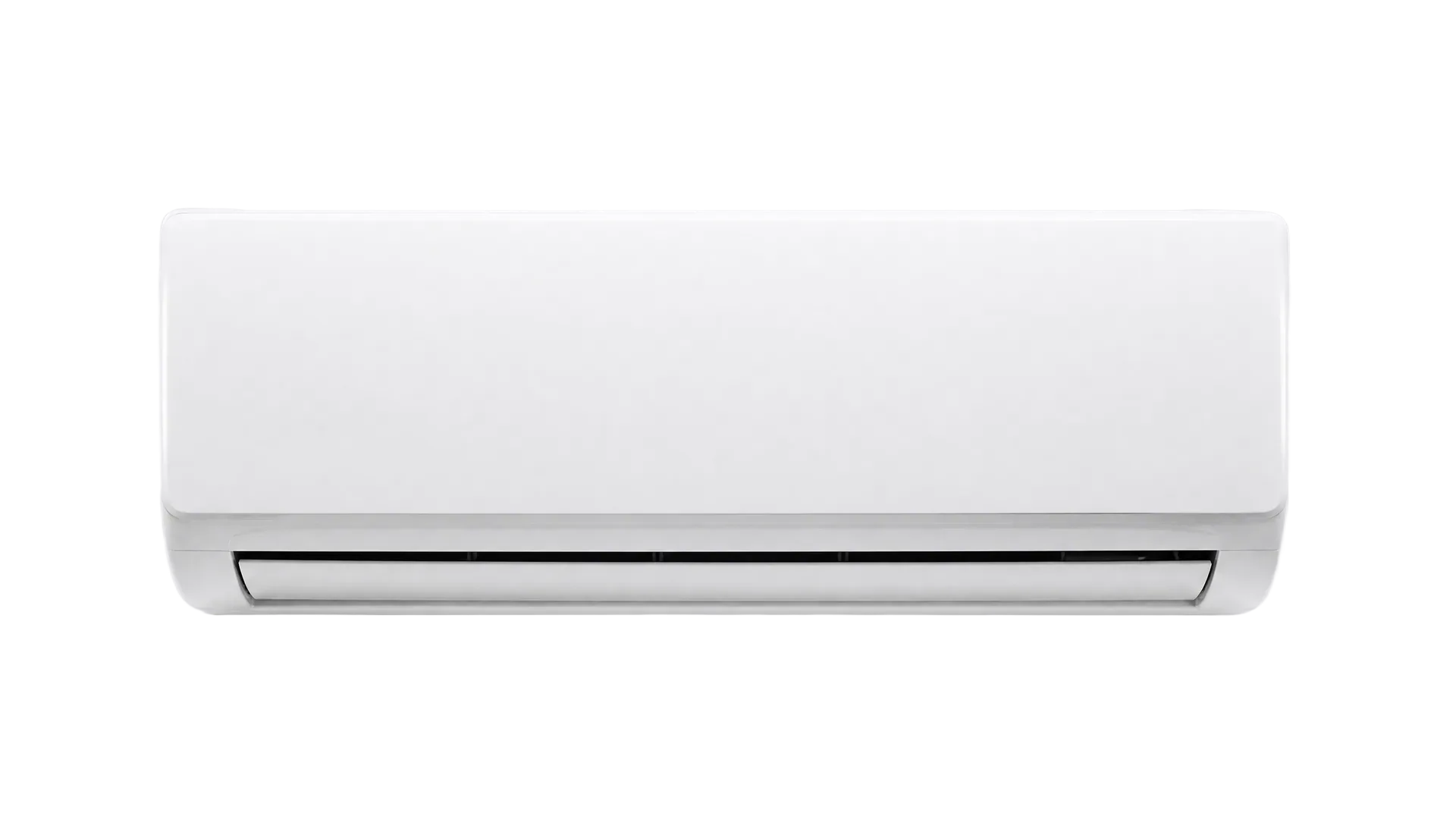
Running clean
A mini split that's draining the way it should sits quiet on the wall, vane open, nothing on the floor below it. Air moves through it and the water that collects on the coil leaves through the drain line without you ever seeing it.
Water dripping from your mini split almost always means the condensate drain is clogged or the line has slipped out of place. Every mini split pulls moisture out of the air as it cools it, and that water is supposed to run off through a small drain line and out of the house. Algae and dust build up inside that line over time and block it, so the water backs up and spills out of the unit instead, usually from the indoor head onto your wall or floor. It can also mean the drain pan has cracked, or the line was never pitched right to drain downhill in the first place. With Shreveport summers running long and muggy, these units pull a lot of water out of the air for months at a time, and a blocked line fills faster than you'd expect. Left alone, that water can stain the wall below the unit and soak into the floor underneath it. A contractor can clear the line, check the pitch, and find out which one is your problem.
Cooling runs May through October
Your mini split runs from May through October, six months of pulling moisture out of the air, which gives that drain line plenty of chances to clog.
Heat runs November through March
Heat runs November through March, five months when the unit sits idle and dust can settle into the drain pan and line before cooling starts again.
Power here costs 13.67 cents per kilowatt-hour
Power here runs 13.67 cents per kilowatt-hour, so a mini split that keeps running to chase a clog is doing extra work on top of a repair you still need.
NOAA nClimDiv 1991-2020 · EIA-861 2025
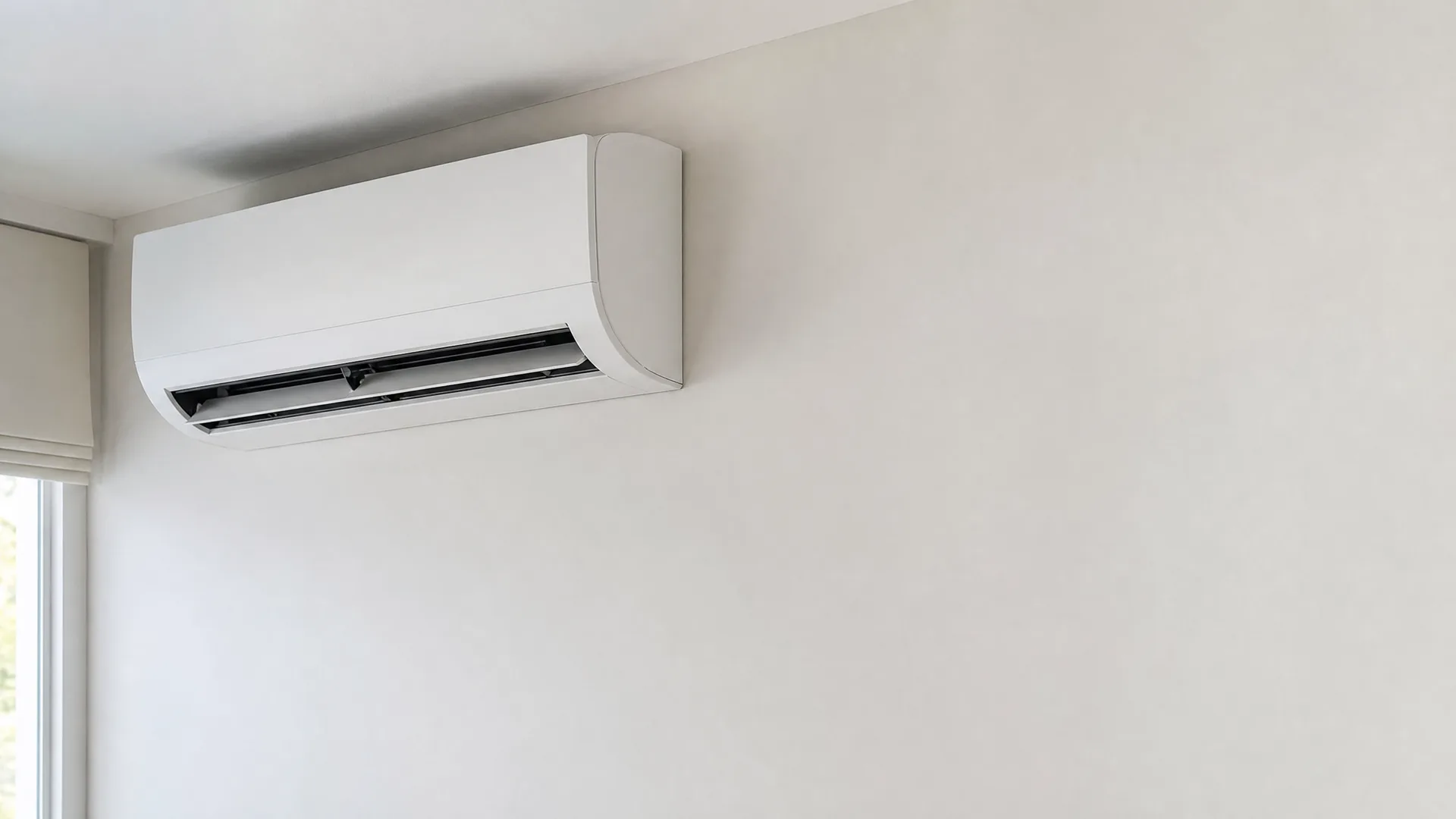
Algae and dust build up inside the condensate line over time and narrow the path the water has to take. Once it's blocked, the water backs up into the drain pan and spills over the side, usually from the indoor unit mounted on the wall. A contractor can clear the line and, if it keeps happening, fit a cleanout or trap so it drains the way it should.
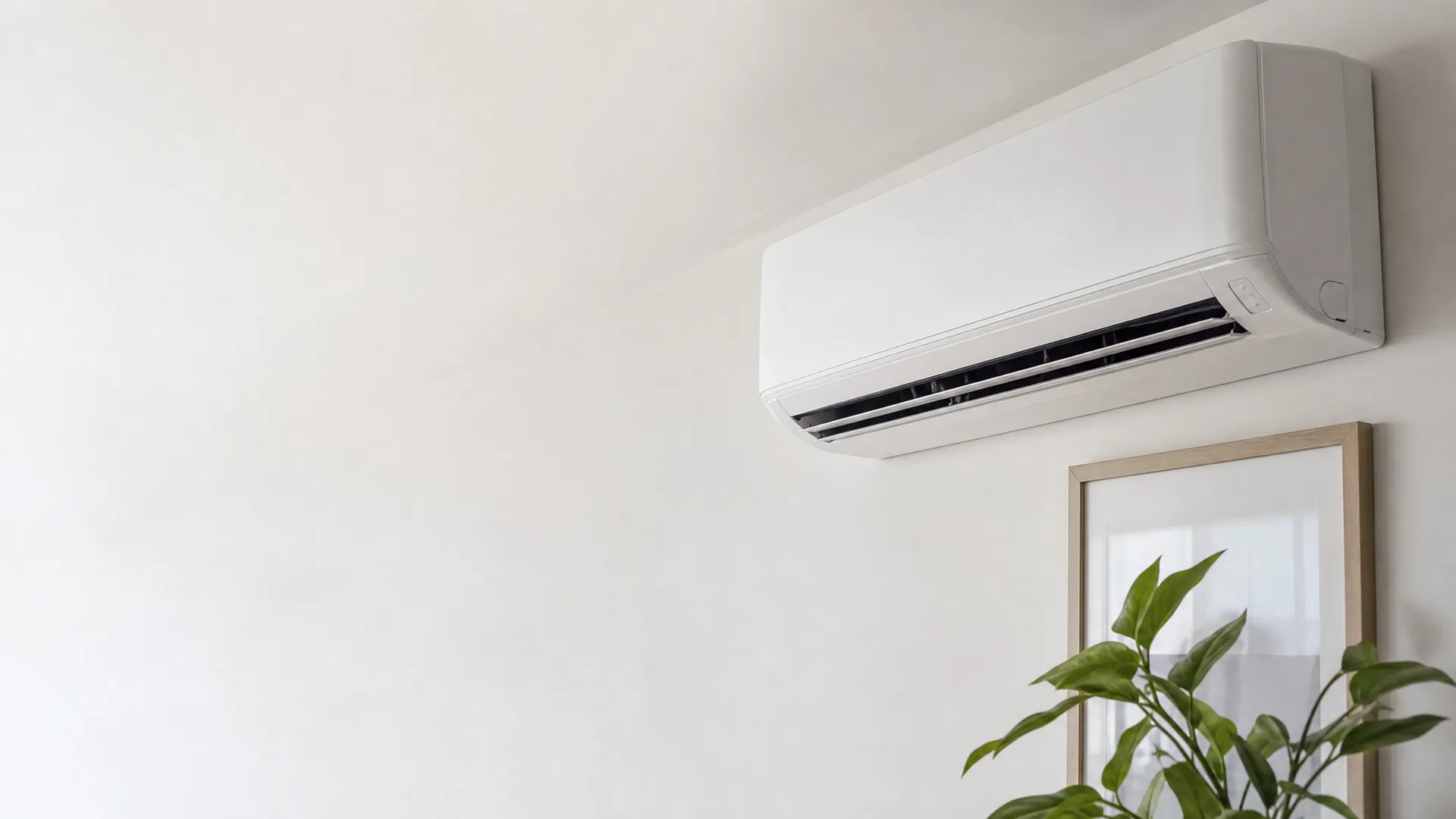
The condensate line can slip loose from the indoor unit or sag somewhere along its run, especially if it was never pitched correctly toward the outside. Water that should flow outdoors ends up pooling and finding its way through the wall or ceiling instead. This isn't something you can see from the floor, so it takes someone opening up the unit to find where the line let go and reset it.
Why is water dripping from my mini split indoor unit?
Your indoor unit has a drain pan directly under the coil, and that pan empties into a line that's supposed to carry the water outside. When the line clogs or slips loose at a joint, the pan fills faster than it drains, and once it's full the water has nowhere to go but over the edge. That's what you're seeing drip or run down the wall. With Shreveport summers stretching from May through October, the coil is pulling moisture out of the air for months at a stretch, which is exactly the kind of steady use that lets algae and dust build up inside that line until it's narrow enough to back up.




A mini split that's dripping won't stop on its own, and water finding its way onto your wall or floor in Shreveport's humidity can mean more than a stain. Left alone, that overflow can soak into drywall or flooring before you notice it's more than a nuisance. Finding someone to look at it usually means searching for a contractor who actually works on mini splits, calling a few, describing the drip and the unit over and over, then weighing quotes against each other while the water keeps coming. Submit your information here and that work is off your plate. One contractor who handles mini splits in your area gets your request and reaches out to you directly. You still have a clogged line or a slipped drain to deal with, but you won't be the one tracking down who can fix it.
A mini split dripping in one spot isn't just an annoyance you can mop up and forget. That water is landing somewhere, and it's doing something while it sits there. If it's hitting your floor, carpet will hold the moisture and start to stain or ripple, and wood flooring can cup or warp underneath the unit before you'd think to check. If it's running down a wall, the drywall behind it soaks it up first, and by the time you see a stain spreading toward the ceiling, that water has likely been getting past the drain pan for a while. Inside the wall cavity, or behind the baseboard where you can't see it, mold can start before there's any smell to warn you. And if there's a closet or cabinet below the indoor unit, whatever's stored in there is sitting under a slow leak you won't notice until you go looking for something. Some units will shut themselves off when a float switch senses water backing up in the pan, which is worth paying attention to rather than just resetting the unit and moving on. None of this means tearing out walls or flooring. It means the clog or the disconnected line needs to be found and fixed before the water finds a new place to go. A contractor who works on mini splits in Shreveport can trace the line, clear what's blocking it, and check whether anything behind the wall or under the floor needs attention too.



A mini split that's draining the way it should sits quiet on the wall, vane open, nothing on the floor below it. Air moves through it and the water that collects on the coil leaves through the drain line without you ever seeing it.

Grime on the housing and a vane that won't sit right are signs of a unit that hasn't been cleaned out in a while. That same buildup works its way inside, where it narrows the drain line and sets up the overflow you're dealing with now.

Water on the floor or wall under your indoor unit means the drain line is clogged, disconnected, or the pan underneath it has cracked. A contractor can tell which one it is by looking at the line and the pan, something that's hard to judge yourself without taking the unit apart. Six months of pulling moisture out of summer air, plus whatever runs through it in winter, is enough to clog a line that's never been cleared.
Finding someone who works on mini splits in Caddo Parish, getting them out to look at it, and explaining the same drip pattern over the phone to two or three different companies takes time you'd rather spend elsewhere. Submitting your information here means skipping that part. A contractor who handles this kind of repair gets matched to your situation and reaches out to you directly, so the next call you make about this leak is the last one.


Skip calling shops to ask who repairs mini splits in Caddo Parish.