

Signs your AC is low on refrigerant in Louisiana

RepairCentral ACLouisiana
Step 1 of 2

What ZIP code is the job in?

What are the signs your AC is low on refrigerant?

Your AC has been running longer than it should, or the air coming out doesn't feel as cold as it used to. In a Louisiana summer, that difference shows up fast because the system is working hard most of the day. You want to know if low refrigerant is the reason before you decide what to do about it.

Warm air from the vents, ice on the copper line, and a system that runs nonstop without cooling the house

Refrigerant carries heat out of your house, so when the level drops, the air coming through the vents turns weak and warm instead of cold. You may see ice building up on the copper line outside or on the indoor coil, even though it's 95 degrees outside. The system often runs longer than normal, sometimes most of the day, because it can't satisfy the thermostat. Some homeowners also notice a hissing sound near the unit, which points to the leak itself rather than the low level it causes. Refrigerant doesn't get used up. If it's low, there's a leak somewhere in the line, and the level will keep dropping until that leak gets found and sealed.

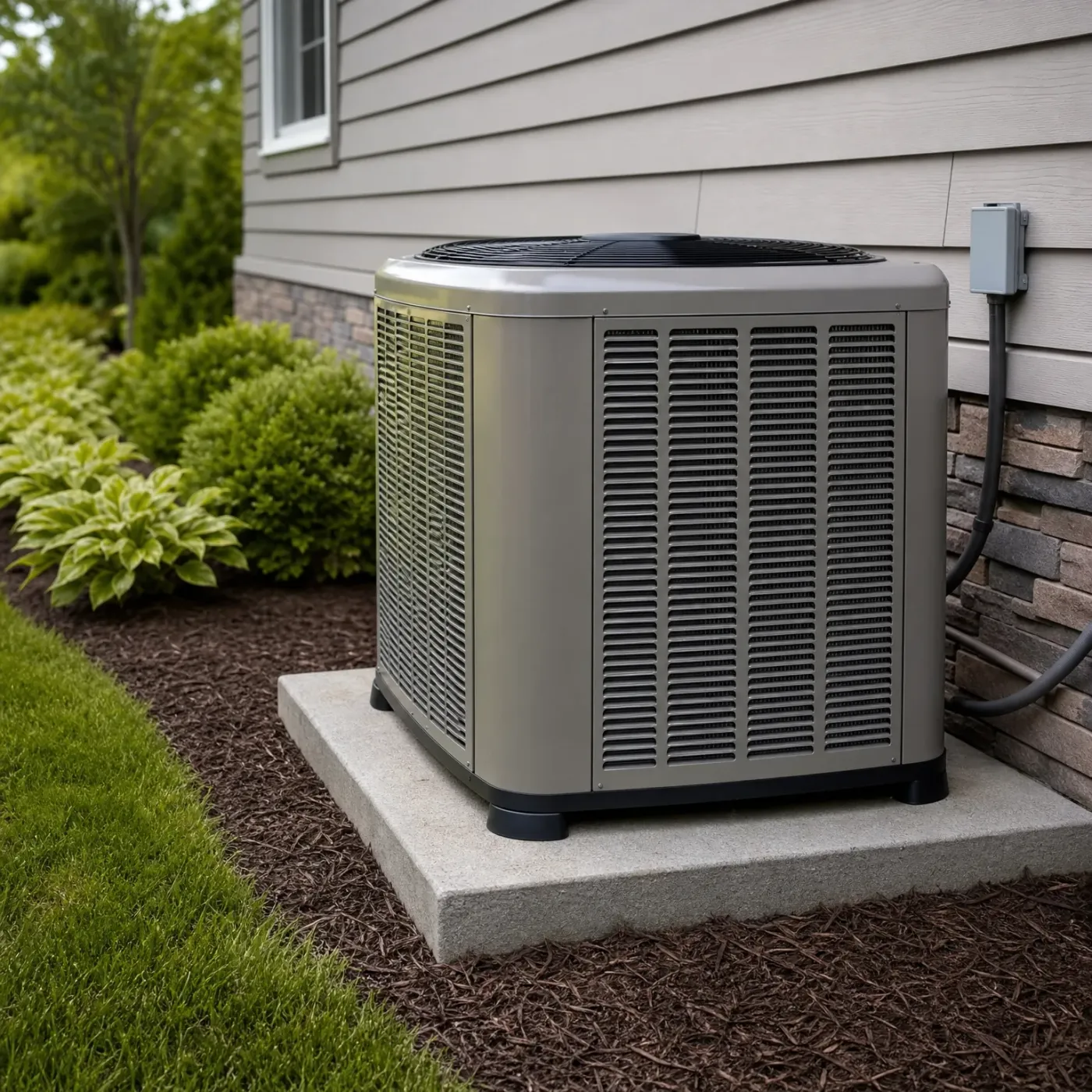
A gray outdoor air conditioning condenser unit on a concrete pad beside a house with horizontal gray siding, with a wall-mounted electrical disconnect box and insulated refrigerant lines, and blue hydrangeas in a mulched bed to the left.

Running right

Air comes out of the vents cold and stays that way. The unit outside cycles off between runs instead of grinding nonstop. No ice anywhere on the lines or the copper going into the wall. The house holds its temperature even in the afternoon heat.


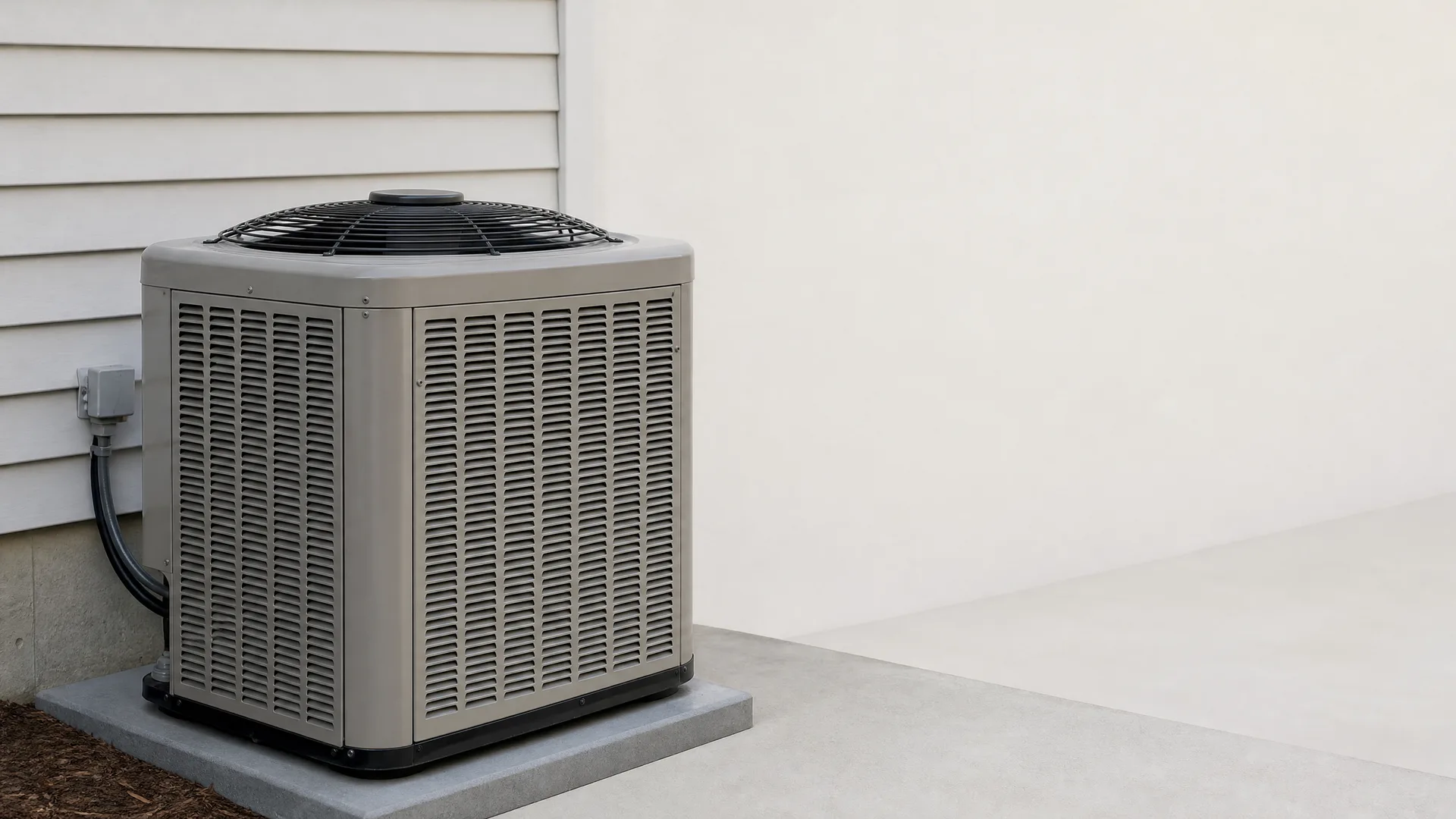
A gray outdoor air conditioner condenser unit on a concrete pad beside a house with beige horizontal siding, with an electrical disconnect box and insulated refrigerant lines on the wall and dry leaves on the ground.

Low on refrigerant

The fins are dirty and the lines sweat or ice over where they run into the wall. The unit runs long stretches and the air at the vents feels weak or warm. You might hear a hissing sound near the lines, which can mean a leak is behind the drop in charge.

A woman with long light-brown hair in a gray knit sweater sits in a living room looking off to the side, with a sectional sofa, houseplant, lamp, wooden table and large windows behind her.
A woman in a chunky gray turtleneck sweater sits indoors looking off to the side, with a blurred dining table, chairs, pendant lamp and window behind her.
A woman in a cream knit sweater with her hair in a bun stands near a window, looking off to the side, with a gray sofa, houseplant and open kitchen with pendant lights blurred behind her.
A woman with long brown hair in a cream knit sweater stands near a window, looking to the side, with a white sofa, shelving, and a hallway visible behind her.

Why low refrigerant means a leak

An AC doesn't burn through refrigerant the way a car burns gas. It runs in a closed loop, so the charge it left the factory with is the charge it should still have years later. If the level is low, the only way that happens is a leak somewhere in the line set, the coil, or a joint. That matters because adding refrigerant without finding and fixing the leak just buys a few weeks before the same symptoms come back, and in a Louisiana summer, a few weeks of a struggling AC is a long time to wait out.

What the low charge does to the coil

Refrigerant absorbs heat as it moves through the indoor coil, and that depends on it being at the right pressure. When the charge drops, the pressure drops with it, and the coil can get cold enough to freeze the moisture in the air around it. Once ice builds up, less air moves across the coil, so the house gets even less cooling than the leak alone would cause. That's why a system low on refrigerant often gets worse by the day rather than staying at one level of bad, especially when it's running most of the afternoon to keep up.

A woman with her hair in a bun sits wrapped in a gray knit blanket on a couch, eyes closed, with a young boy asleep against her shoulder, beside a lit table lamp in a dim room.
An older woman in a cream knit sweater smiles while looking off-camera in a warmly lit kitchen, with a round loaf of bread on a wooden board in the foreground and a dark window behind her.

If your AC is low on refrigerant, it's running longer to cool the house less, and that gap shows up on the power bill before it shows up anywhere else.

Keep running it low and the compressor is the part paying for it. That's the expensive part to replace, and the one most worth catching this early.

An outdoor air conditioner condenser unit on a concrete pad beside a house with horizontal lap siding, with a gray electrical disconnect box and conduit on the wall and a green shrub over pine-needle mulch at left.
Before you get your air conditioner repair
A gray outdoor air conditioner condenser unit on a concrete pad beside a house with light vinyl siding, with an electrical disconnect box and conduit on the wall and a leafy shrub with dark mulch to the right.
After you get your air conditioner repair
An outdoor air conditioning condenser unit on a concrete pad beside a house with horizontal siding and stone veneer, with a gray electrical disconnect box and conduit on the wall and shrubs and mulch nearby.

Let someone else find the pro

Your request goes to one pro, not a list of companies.

Send the request and finding a pro stops being your problem.

Find a licensed pro

Asking costs nothing, and the choice to hire stays yours.

Low on refrigerant or running right

Low refrigerant

  • The air at the vents feels cool but not cold, even with the thermostat set where it always was.
  • The unit outside runs almost the whole afternoon instead of cycling off once the house reaches temperature.
  • Ice forms on the copper line running into the wall, usually where the insulation is thin or missing.
  • Rooms farthest from the air handler stay noticeably warmer than the rest of the house.
  • The power bill climbs over a billing cycle without the thermostat setting or the weather changing.
  • A hissing or bubbling sound comes from the line set, which points to the leak itself.

Running right

  • Air out of every vent feels cold and stays that way as the unit runs.
  • The outside unit shuts off between runs rather than grinding nonstop through the afternoon.
  • No ice shows up anywhere on the lines or the copper entering the wall.
  • The house holds steady through the hottest part of a Louisiana afternoon without the thermostat climbing.
  • Every room pulls down to temperature at roughly the same rate, not just the one near the thermostat.
  • The power bill tracks with the weather instead of creeping up on its own.
An outdoor air conditioner condenser unit on a concrete pad beside a house with horizontal lap siding, with an electrical disconnect box and conduit on the wall behind it.

What a tight system looks like

A fully charged AC pulls the house down to temperature and then shuts off outside while the indoor fan keeps moving air. It does this over and over through the hottest part of the day without strain. You can hold your hand to a vent and feel real cold air, not just moving air. The copper line going into the wall stays dry, no sweat beading past what's normal, and there's never frost on it.

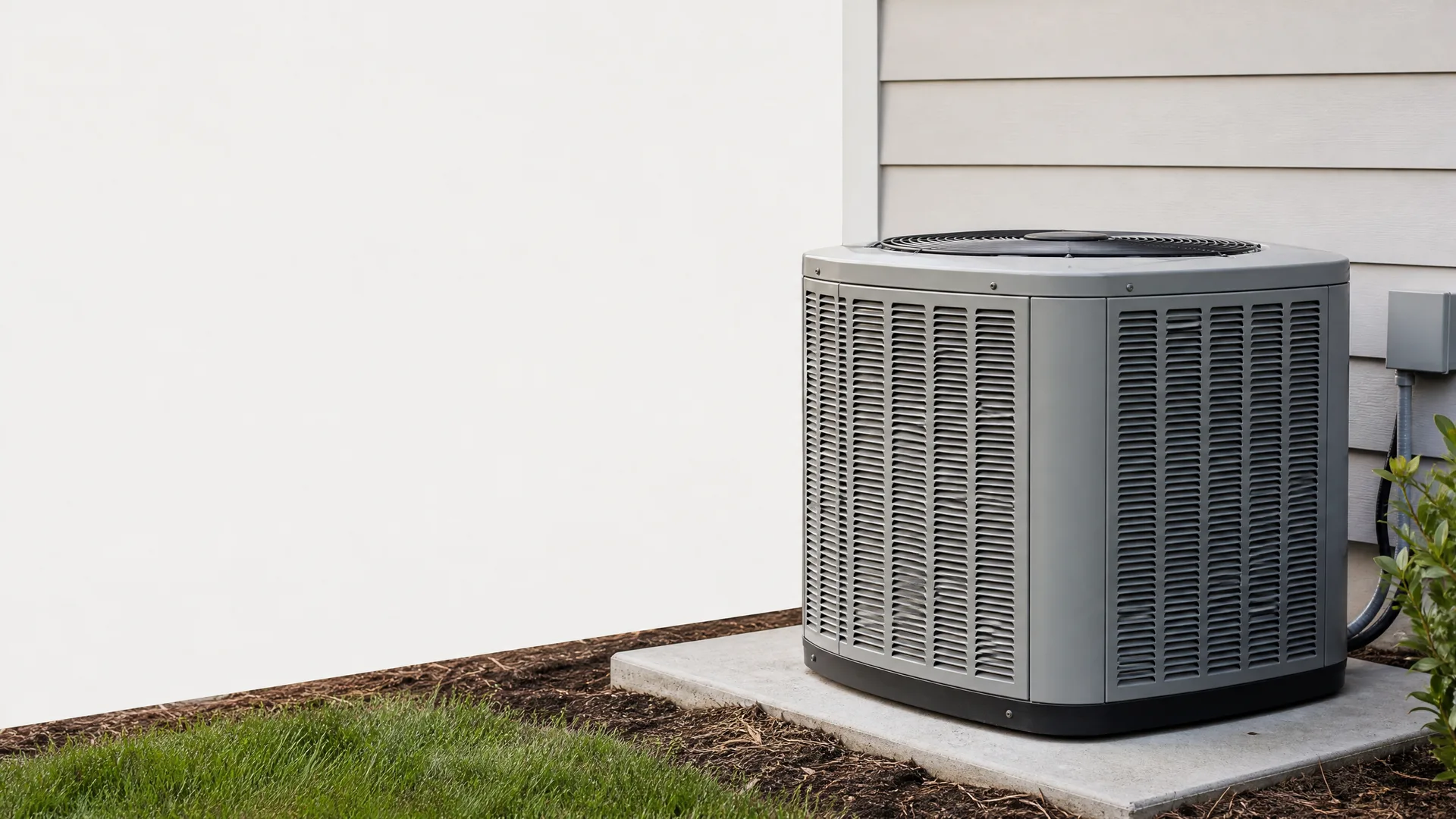
A gray outdoor air conditioner condenser unit sits on a concrete pad beside a house with light horizontal siding and a plain white wall, with mulch, grass, and a small shrub in the foreground.

What a low charge looks like

A system short on refrigerant can't move heat out of the house the way it's supposed to, so it runs and runs trying to catch up. The outdoor unit may still sound fine even though it's barely making a dent. Vents put out air that's cool but not cold. Left alone, the compressor is doing more work for less result, hour after hour, through a Louisiana summer that doesn't let up until fall.

Power costs 12.52 cents per kilowatt-hour statewide

At 12.52 cents a kilowatt-hour, a low AC still costs you to run, it's just running longer and cooling less while it does. That gap between what you're paying and how cool the house gets is the clue worth paying attention to.

EIA-861 2025 statewide residential average

A leak doesn't fix itself, and running the unit low on charge day after day only pushes more work onto the compressor. If your AC is showing the signs, that's worth having a local contractor look at before the afternoons get harder on it. A contractor who services AC systems in Louisiana all summer has seen what a slow leak looks like at this point in the season and knows where to check first. Submitting a request connects you with one licensed contractor local to you, not a handful of companies calling at once, so you can explain what you're noticing once and let someone who does this work every week take it from there.

Sunlit corner of a room with a wooden sideboard holding a ceramic vase of olive branches and a dark wooden bowl, beside a white-framed window, a hardwood floor and woven rug.
A wooden cabinet holding a pale ceramic vase with leafy branches stands beside a beige wall in a sunlit room with hardwood floors, a jute rug, and a window showing green foliage outside.
Sunlit room corner with a beige upholstered sofa holding a rust-brown cushion, beside floor-length linen curtains at a window, over a wood floor with a woven rug.
Corner of a room with beige walls, a framed photograph, a floor-length linen curtain beside a window, an upholstered armchair with a knit pillow, white baseboards and trim, wood flooring and a pale rug.
Sunlit living room corner with a beige upholstered armchair with a cushion, linen curtains beside a wooden-framed window, green vertical panelled wall with a framed print, and a wooden table edge over a woven rug.

One request and it's handed off

The pro who reaches out is licensed in Louisiana.

Find a local pro

No fee to send it, and nothing to sign.