Why your AC is blowing warm air in Louisiana

Tell a local repair pro what your air conditioner is doing.

Get an air conditioner pro

Why is my AC blowing warm air in Louisiana?

Your AC is running but what comes out of the vents is warm, and in a Louisiana summer that gets uncomfortable fast. Before you start wondering if the whole system is dying, it helps to know that this happens for a short list of reasons, and most of them don't mean a new unit. Some you can check yourself in a few minutes.

Usually a low refrigerant charge or a dirty, frozen evaporator coil

Warm air from the vents almost always means the system can't move heat out of your house anymore, even though the blower is still pushing air. A low refrigerant charge, often from a slow leak, is one common cause. A coil caked with dust or frozen over from restricted airflow is another, and a clogged filter can be enough to start that freeze. With your AC running from April through October here, the coil and filter see months of steady demand without a break, so a small drop in airflow or charge shows up as warm air sooner than it would somewhere with a shorter summer. A dirty outdoor condenser unit can cause the same problem.

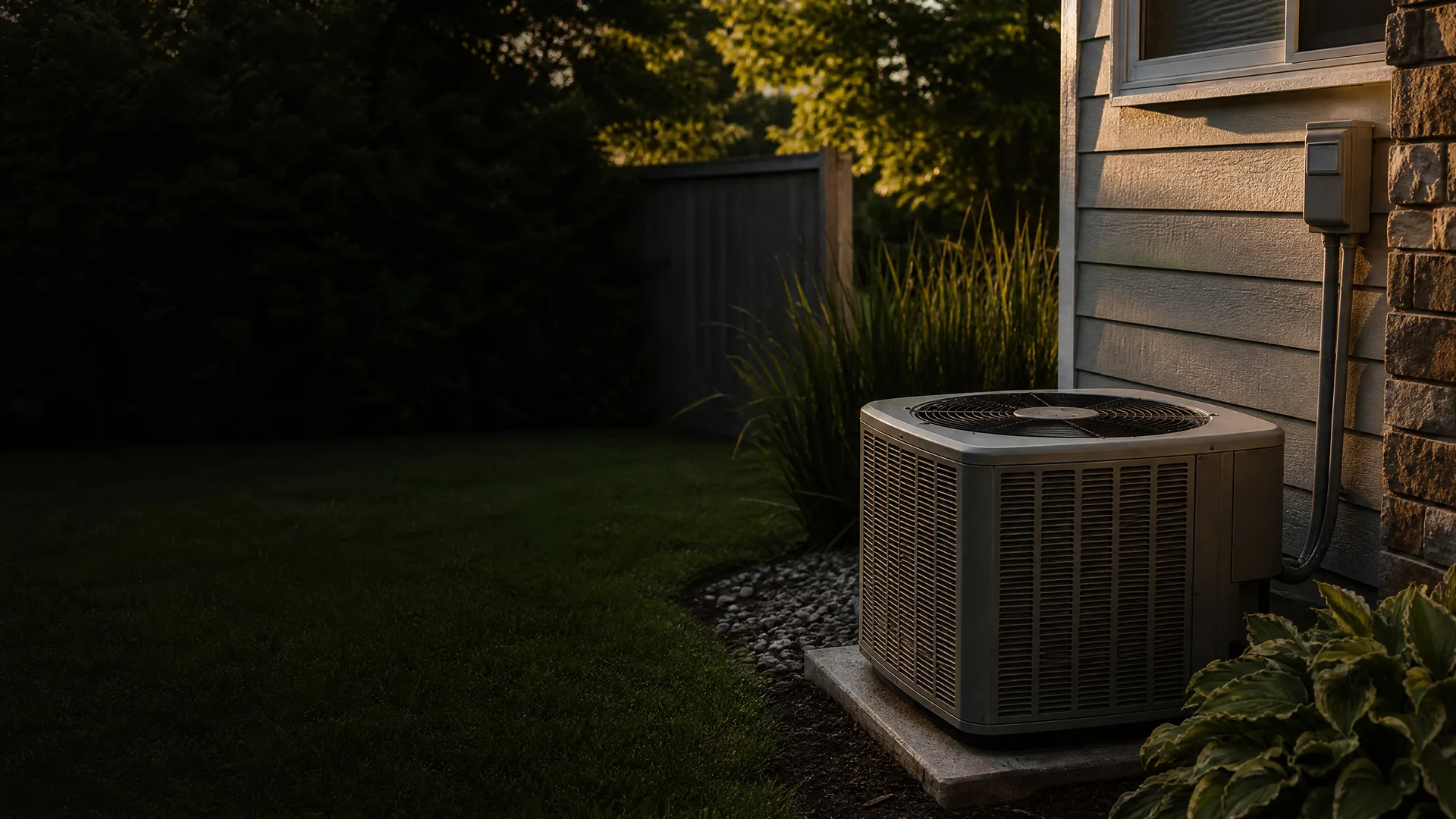
An outdoor air conditioning condenser unit sits on a concrete pad beside a house with horizontal siding and a stone-faced corner, next to a lawn, ornamental grasses and a wooden fence at dusk.

You're out back around seven, grass still warm underfoot, watching the light go gold over the fence line. The condenser sits against the house, humming the way it always does, except the top of it isn't humming right. The fan isn't turning. You crouch down and feel for air coming off the unit and there's nothing, just the smell of cut grass and the low drone of the compressor working on its own. Inside, your wife has the thermostat set to 72 and it hasn't moved off 81 in an hour. You stand there a minute, hand on the cage around the fan, listening to a machine that sounds busy but isn't doing the one thing it's supposed to do.


A woman in a gray sweater and jeans stands in an open wood front door of a white stucco house while a man in a dark jacket walks toward her on the entry path.

The warm air usually starts at the refrigerant, not the furnace

Your AC doesn't make cold air. It pulls heat out of the air in your house and moves it outside, using refrigerant that runs between the indoor coil and the condenser out back. If that refrigerant is low, usually from a leak somewhere in the line, the indoor coil can't pull enough heat out of the air passing over it. The blower still runs. The air still moves. It just isn't cold anymore, and in a Louisiana summer that shows up within minutes.

A dirty outdoor coil causes the same thing a different way. If the condenser outside can't shed heat because the coil is caked with grass clippings or pollen, the refrigerant backs up and stops doing its job. Either way, the fix isn't something to diagnose by feel from the thermostat. Once you're matched with a contractor, they'll check the charge and the coil before touching anything else, and reach out to go over what they find for your system specifically.

Interior corner with sheer white curtains at a window, a brown upholstered sofa in the foreground, and a wooden multi-drawer cabinet holding a round ceramic vase with leafy branches.
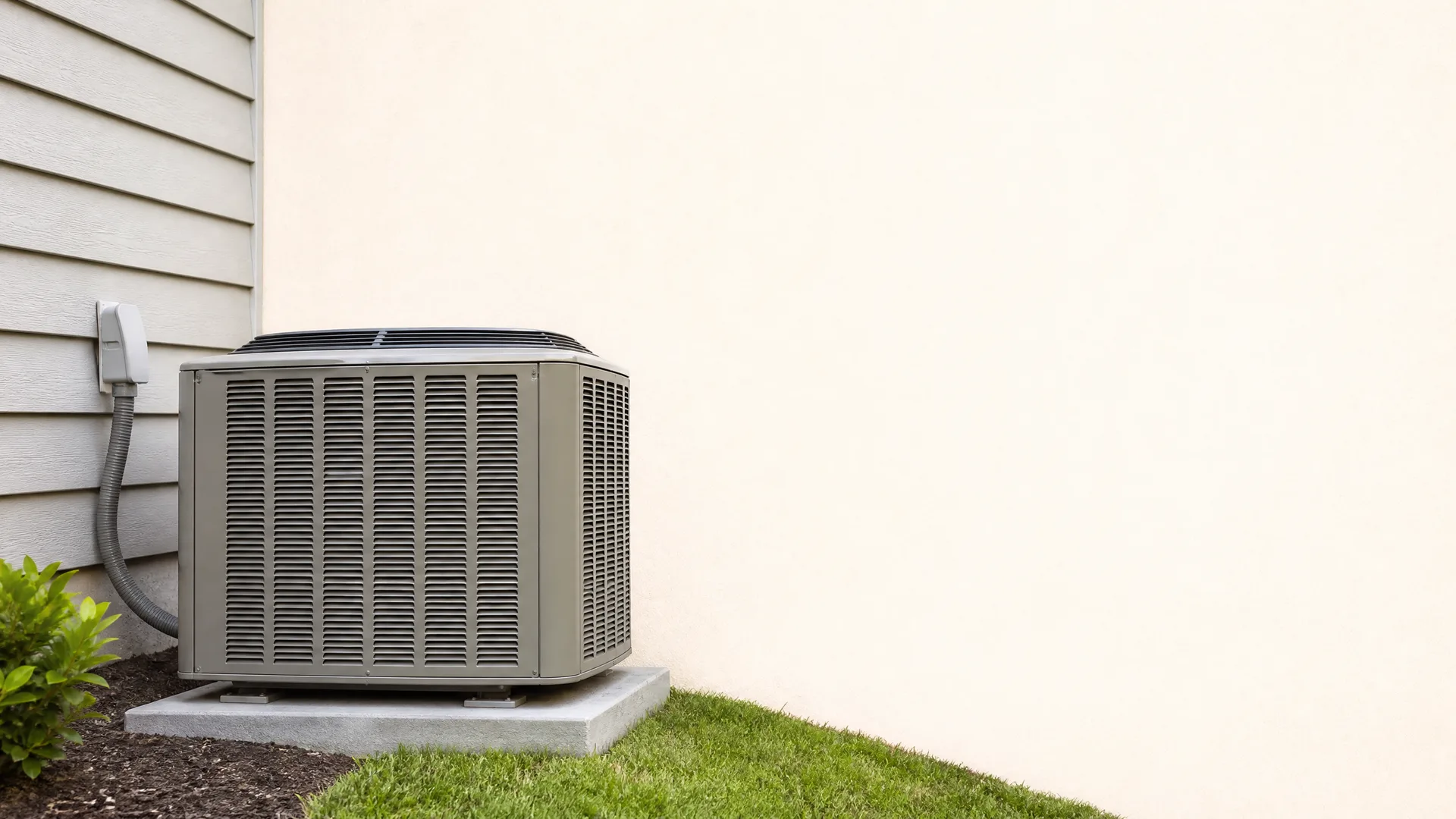
An outdoor air conditioning condenser unit on a concrete pad at the corner of a house, next to vinyl siding and a plain light-colored wall, with grass and a mulch bed in the foreground.

A dirty coil stops the exchange

The indoor coil has to be cold enough to pull heat out of the air passing over it. When dust and grime build up on the fins, they act like insulation, keeping that cold from reaching the air. The coil can be running full of cold refrigerant and still barely cool anything, because the air never touches the metal underneath the dirt.

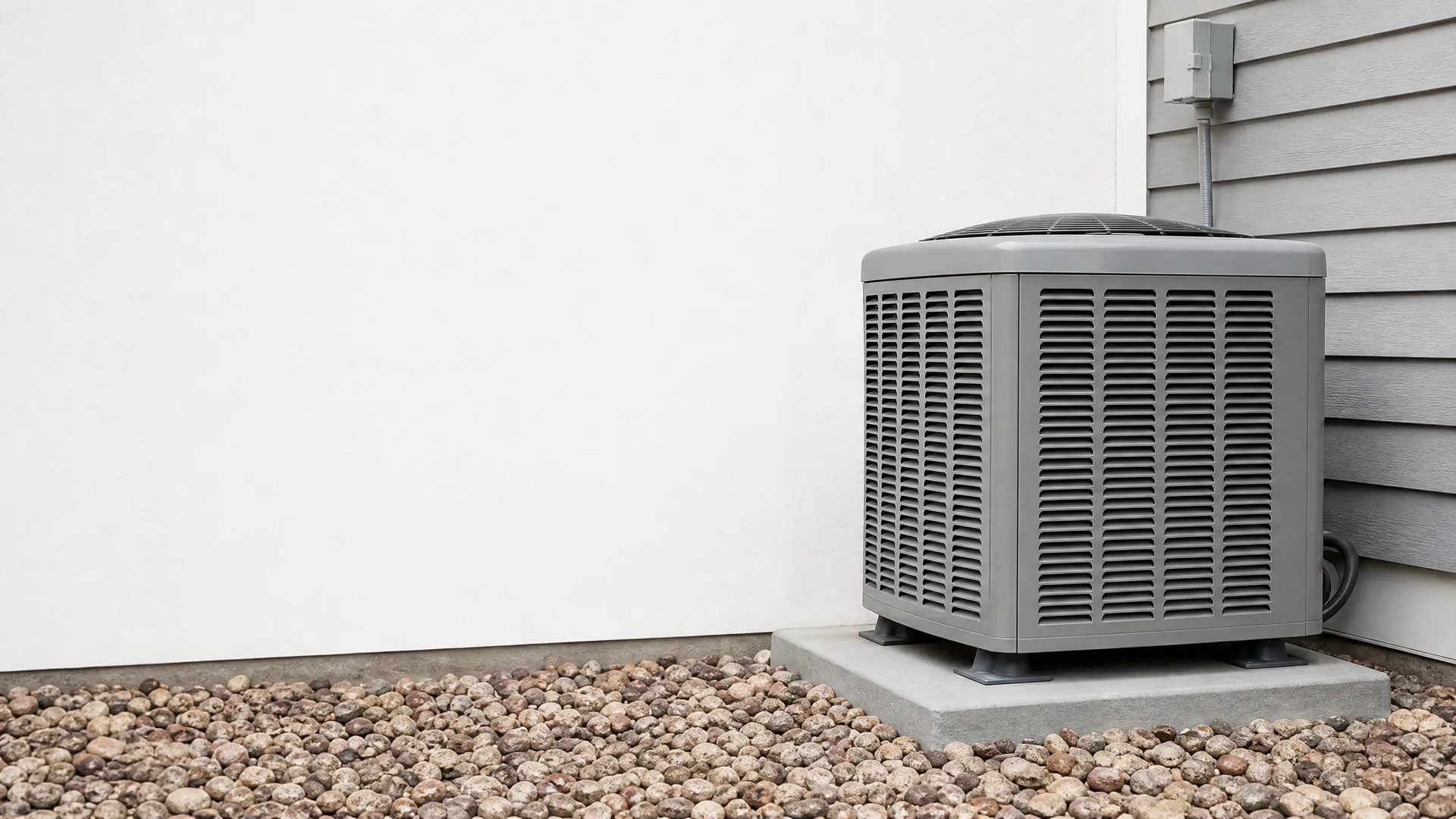
A gray outdoor air conditioning condenser unit sits on a concrete pad beside a white stucco wall and gray horizontal siding, surrounded by rounded landscaping gravel, with an electrical disconnect box mounted on the siding above.

A clogged filter chokes the airflow

Louisiana air carries a lot of moisture, and a filter clogged with dust makes the system work harder to pull air through it. Less air moving over the coil means the coil can freeze over, and a frozen coil can't absorb heat the way it should. Once that happens, warm air is what comes out of the vents until the ice melts.

What are you noticing right now in your house

The air out of the vents feels closer to room temperature than cold. You might notice it's worse in the afternoon, when the Louisiana heat is at its worst and the system is working hardest. There could be a hissing sound near the indoor unit, or ice forming on the copper line running to the condenser outside. The air coming through the vents might smell musty, or you might just notice the house isn't holding at the temperature you set it to anymore, no matter how long the system runs. Left alone, a refrigerant leak gets worse over time, and a coil that stays frozen can damage the compressor, which is the most expensive part of the system to replace.

A gray outdoor air conditioner condenser unit on a concrete pad beside a house with light vinyl siding, with an electrical disconnect box and conduit on the wall and a leafy shrub with dark mulch to the right.

The condenser doing its job

The fan spins, the unit hums, and warm refrigerant lines run up to the disconnect box without any frost or grime in sight. Air moving through the grille like this means the system can actually dump the heat it's pulled from your house.

An outdoor air conditioner condenser unit on a concrete pad beside a house with horizontal lap siding, with a gray electrical disconnect box and conduit on the wall and a green shrub over pine-needle mulch at left.

The condenser that's falling behind

That wire grille is caked with dirt and pine needle mulch has drifted up against the housing. With airflow that blocked, the unit can't shed heat the way it needs to, and the air coming out of your vents warms up because of it.

A bearded man in a plaid flannel shirt sits indoors looking out a window at snow-covered trees, with a steaming mug on the sill and wooden kitchen shelves behind him.
A bearded man in a navy T-shirt sits on a light-colored couch indoors, smiling while looking down at a laptop screen in the foreground, with a framed picture and a potted plant blurred behind him.

Get your air conditioner to the right pro

A warm vent in July isn't something to sit on. Low refrigerant means a leak that won't fix itself, and a dirty coil only gets worse the longer it runs. Either way, the system is working to cool your house and not managing it, and that costs you on the power bill whether or not the air ever gets cold. Figuring out which of these it is takes someone checking the charge, the coil, the airflow, not guessing from the vent. That usually means calling around, explaining the warm air and the hot afternoons, getting a few numbers back and trying to tell which one actually knows what's wrong. You don't have to do that part. Answer a few questions about what your system is doing and a contractor who handles this in Louisiana homes will reach out directly, so the next call you make is the one that gets it fixed.

A house that won't cool down in a Louisiana summer stops being livable fast. The kids come in from outside sweating instead of cooling off. You find yourself standing in front of the vent with your hand up, checking it again like it might have changed. At night it's worse, because the bedrooms hold the heat from the day and the system can't get ahead of it. If the warm air is coming from a refrigerant leak, running the system longer doesn't help, it just pulls more humidity back into the house once the air can't hold its moisture. A dirty coil behaves the same way, working harder for less cold air while your power bill climbs for a system that isn't delivering. The part that should worry you isn't just the comfort. A compressor running low on refrigerant can wear out early, and that turns a repair into a replacement.

A gray outdoor air conditioning condenser unit on a concrete pad beside a house with horizontal lap siding, with a wall-mounted disconnect box and conduit to the left and a green shrub with mulch to the right.
A clean condenser like this one moves heat out of your house without a fight, fins open and the fan pulling air through freely.
A dirty outdoor air conditioning condenser unit on a concrete pad beside a house wall with horizontal siding above a painted brick foundation, with a gray electrical disconnect box and conduit on the wall.
Once the fins clog like this, the unit can't shed heat anymore, and that's when warm air starts coming out of your vents.

Keep Waiting or Get It Looked At

Waiting it out

  • A refrigerant leak doesn't seal itself, so the system keeps losing charge and the air coming out keeps getting warmer.
  • A coil caked with grime stays caked with grime until someone cleans it, and every week it runs dirty is a week it struggles harder.
  • The compressor keeps trying to do its job with less refrigerant than it needs, which is the kind of strain that wears it down faster.
  • Your power bill reflects a system running long cycles for a house that still isn't cooling, since the unit doesn't know to quit trying.
  • A small leak at a fitting or coil can turn into a bigger one, and what started as low charge becomes an empty line.
  • The afternoons stay the hardest part of the day, and a system already behind won't catch up once the heat peaks.

Getting it looked at

  • A contractor can pressure-test the lines and find exactly where refrigerant is escaping, instead of you guessing at it.
  • Cleaning a coil is routine work for someone who does it, and it brings the heat exchange back without replacing anything.
  • You stop calling around and explaining the same warm-vent problem to three different companies before anyone shows up.
  • Matching with a contractor means someone who covers your part of Louisiana reaches out, rather than you sorting through listings yourself.
  • A diagnosis tells you whether this is a quick fix or something bigger, so you're not left guessing through another hot week.
  • You skip the back and forth of comparing quotes cold and just hear from someone qualified to look at your system.
A single-story red brick house with a gray shingled hip roof, white-framed windows and a light gray front door, fronted by a large asphalt parking area, with deciduous trees behind it and sun flare in the frame.

Weather underground puts the average summer dew point in Louisiana at 73°F across June, July and August. That's the number that makes the air feel heavy even when the temperature itself isn't the highest it'll be all day. Your AC has to pull that moisture out of the air before the house feels cool, and that work falls on the same coil that's trying to drop the temperature. When the coil is already struggling, whether from low refrigerant or a layer of grime, the extra load from that humidity shows up fast. You'll notice it as a house that feels damp and warm at once, not just warm, and vents that never quite catch up no matter how long the system runs.

NASA POWER T2MDEW county cells weighted by homes

A woman in a gray turtleneck sweater stands near a window with snow outside, in a dimly lit living room with a lit Christmas tree, table lamp, sofa and bookshelf.
A woman in a cream knit sweater with her hair in a bun stands in a dimly lit living room looking out a large window at snow-covered evergreen trees, with a lamp, sofa, framed picture and lit candle behind her.
A woman in a thick gray knit sweater stands beside a window looking out at falling snow, with a dimly lit living room containing a lamp, sofa, string lights and a candle behind her.
A woman in a gray turtleneck sweater stands in a dimly lit room with a lit table lamp, framed picture and sofa, looking toward a window with snow outside.

Power costs 12.52 cents per kilowatt-hour statewide

At 12.52 cents per kilowatt-hour, running a system that's struggling to cool costs more than it should. A unit low on refrigerant or clogged with grime has to run longer to reach the same temperature, and every extra hour it runs shows up on next month's bill.

EIA-861 2025 statewide residential average

Where this leaves you

  • Warm air from the vents almost always traces back to low refrigerant or a coil that can't shed heat.
  • A refrigerant leak gets worse on its own and never seals itself without a repair.
  • A dirty coil keeps insulating the system from the air it's supposed to cool until someone cleans it.
  • The longer either problem runs, the more it shows up on your power bill and the longer your house stays uncomfortable.
  • Finding a licensed contractor on your own means searching, calling around, and explaining the same problem more than once.
  • Matching with a contractor who already knows this issue skips that work and gets a diagnosis started sooner.

Warm air out of the vents comes down to one of two things. Either the refrigerant is low because something in the line set is leaking, or the coil is too dirty to pull heat out of the air anymore. Both get worse with time, not better. A leak keeps draining the charge until the system can't cool at all, and a coil caked with grime stays that way until it's cleaned. Neither fixes itself, and running the system while it struggles just adds hours onto the compressor and dollars onto the bill, especially with a Louisiana summer pushing the unit to work as hard as it can.

What usually eats the time isn't the repair itself, it's getting to someone who can do it. Looking up contractors, calling a few, waiting on callbacks, then explaining the same symptoms over again to each one before you even get a diagnosis. That's the part that drags on while your house stays warm.

Matching with a contractor who already knows what a warm-air call like this usually means skips that part. You explain it once, to someone already lined up to take it on, and the diagnosis can start from there instead of from scratch. The problem with the refrigerant or the coil still has to get fixed. But you're not the one spending your evening tracking down who's going to fix it.

An outdoor air conditioner condenser unit sits on a concrete pad beside a house with horizontal siding and stone veneer, next to mulch, shrubs, and grass.

The right pro for this job

RepairCentral ACLouisiana
Step 1 of 2

What ZIP code is the job in?