 Get matched
What a heat pump tune-up covers in Louisiana
A local pro who services heat pumps gets in touch about the tune-up.
Your heat pump works harder in Louisiana than it would almost anywhere else. It's cooling your house through long, muggy summers, then switching over to keep you warm all winter, since most homes here run on electric heat. That's two full jobs out of one unit, every year, with barely a break between them.
A tune-up is how that unit keeps doing both jobs without losing ground. A contractor checks the refrigerant charge, looks at the coils, tests the reversing valve that lets the system switch between heating and cooling, and makes sure the electrical components are drawing power the way they should. Skip it long enough and the system has to work harder to hit the same temperature, which shows up on your power bill even with rates as low as they are here.
Every heat pump is a little different, and so is every house. What your unit needs depends on its age, how it's been run, and what shape it's in right now. That's not something a page can tell you. It's something a contractor finds out by looking at your actual system.
This page connects you with a contractor who works on heat pumps in your part of Louisiana, one who can look at your specific unit and tell you where it stands. You fill out the form, and the search for someone qualified stops being something you have to do yourself. The contractor who reaches out will already know what you're dealing with, your climate, your equipment, your situation, before they ever knock on your door.
Below, you'll find what an actual tune-up visit covers, step by step, so you know what to expect before anyone shows up.
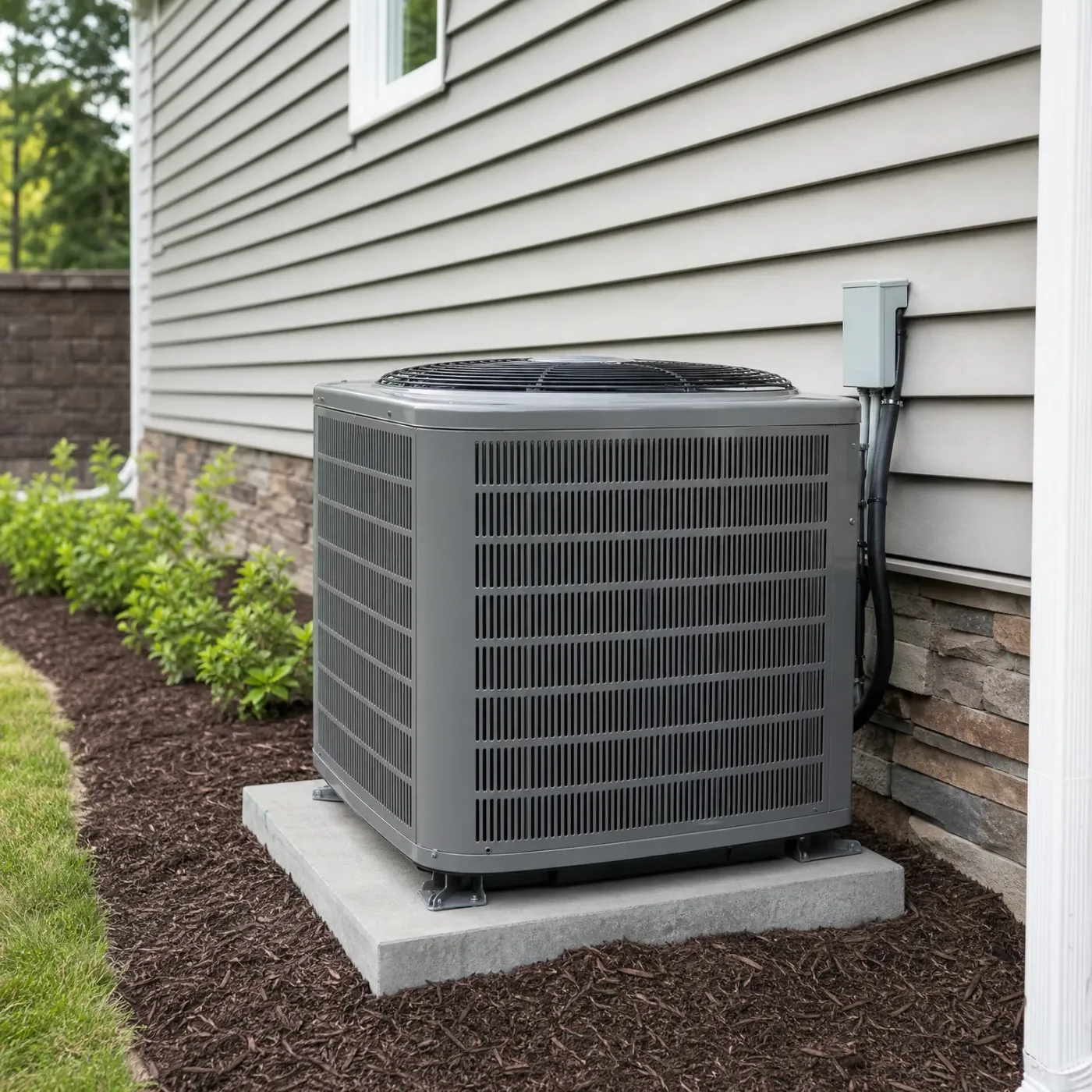
A heat pump tune-up covers both sides of what your system does: the outdoor unit that cools in summer and the same unit, running in reverse, that heats your house all winter. A technician checks refrigerant charge, since too little or too much makes the system work harder in both directions. The coils get cleaned, because a dirty coil can't move heat in or out of the air the way it should. The reversing valve gets checked too, since that's the part that switches the system between cooling and heating, and a valve that sticks leaves you with no heat in January or no cooling in July. Electrical connections, the thermostat's communication with the unit, and airflow through the ducts all get looked at as well. Because your heat pump runs year-round here instead of sitting idle half the year like a furnace would, these checks matter more often. Catching a weak part before it fails means one visit instead of an emergency call when you need the system most.




A heat pump pro near you
Send the form, and lining up the heat pump tune-up stops being yours to chase.
Describe your heat pump job, and a local pro who handles it gets in touch.
Sending the form costs nothing.
Why does your heat pump seem to be struggling lately?
You might notice the air coming from the vents feels less cold in July, or less warm in January, even though the unit is running. Maybe it cycles on and off more than it used to, or runs almost constantly without the house ever feeling quite right. There could be ice building up on the outdoor unit, or a hissing sound near the lines. The electric bill creeping up without a clear reason is another sign, since power here is cheap and a sudden jump usually means the system is working harder than it should to do the same job. Left alone, a heat pump that's losing efficiency tends to keep losing it, and the parts carrying that extra strain wear out sooner than they would otherwise.

Summer air here averages a 73°F dew point across June, July and August, according to NOAA records. That's heavy, sticky air, and your heat pump has to pull a lot of moisture out of it before the house feels dry. The coil inside does that work along with cooling the air, and when the air is this thick with moisture, the coil stays wetter longer and the system runs longer to get the same result. A tune-up checks that the coil is draining and cooling the way it should, since a coil working against air this heavy has less room for error.
NASA POWER T2MDEW county cells weighted by homes


What a Tune-Up Keeps Running
- A tune-up checks refrigerant charge, electrical connections, the outdoor coil and the reversing valve that lets the unit switch from cooling to heating.
- The same unit handles both your summer cooling and your winter heat, so one visit covers everything it does all year.
- Dirty coils and low refrigerant make the system run longer to reach the same temperature, which shows up on your electric bill.
- A unit running on a full charge with clean coils pulls moisture out of summer air and holds heat in winter without straining the compressor.
- Catching a weak part during a check means it gets replaced on a schedule, not after it fails on the hottest or coldest day of the year.
- Skipping maintenance for a few years tends to show up as shorter cycles, a system that never quite catches up, or a compressor that wears out early.
A heat pump tune-up in Louisiana comes down to one unit doing two jobs, checked at both ends. The technician looks at refrigerant charge first, because that number affects how well the system cools in July and heats in January alike. Electrical connections get checked so nothing is loose or corroding where it carries a load. The outdoor coil gets inspected, since a dirty coil makes the unit work longer to move the same amount of heat, whether it is pulling heat out of the house in summer or pulling it in during winter. The reversing valve gets tested too, because that is the part that switches the system between the two modes, and a valve that sticks or fails leaves you with a unit that only does half its job. None of this is separate work for separate seasons. It is one visit, one system, checked the way it actually runs all year. A system that passes this check is pulling moisture out of thick air in August and holding heat in during a cold snap in January without the compressor straining to do it. A system that does not get checked tends to drift the other way slowly, running longer, cooling less, costing more to run, until something fails outright. The difference between those two outcomes is mostly whether this visit happened.


Heat Pump Maintenance
A local pro for your heat pump maintenance
Send the form and the heat pump tune-up stops being something to remember.
