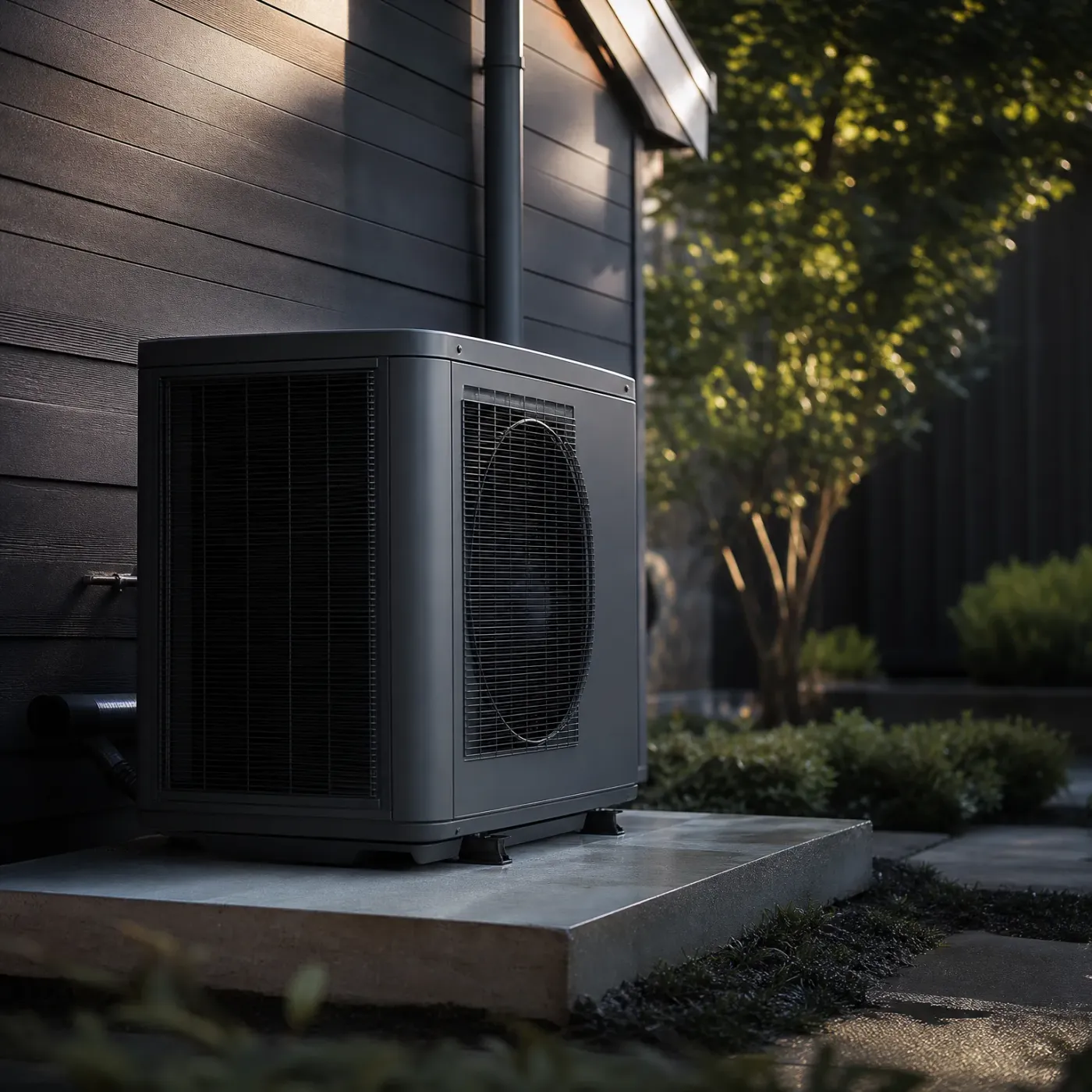







A gray outdoor condenser/heat pump unit with a side fan grille sits on a concrete pad beside a dark horizontal wood-sided house, with shrubs and a small tree nearby.

Stop chasing a heat pump pro

What defrost mode means on a Louisiana heat pump

When your heat pump switches to defrost, it stops heating your home for a few minutes and may blow cool air or send up steam. That's normal in short bursts on a cold night. It's not normal if it happens often or won't stop. This page gets into why that happens and what it means for the heat pump keeping your Louisiana house warm. If something's off, send the form below and a local contractor who works on these systems can take it from here.

Send my request

Defrost mode is your heat pump melting off ice that built up on the outdoor coil. Heat pumps pull warmth from the outside air even when it's cold out, and on a damp night when the temperature drops low enough, moisture in the air freezes on that coil. Ice on the coil blocks airflow, so the unit stops its normal heating for several minutes, runs in reverse to warm the coil, and sends the melted frost off as steam. Indoors that can feel like a short blast of cool air or you might see steam rising from the outdoor unit. On a cold Louisiana night, that's the system doing its job. The problem is when it happens over and over in one night, runs long, or the outdoor unit stays coated in ice afterward. That usually means something is keeping the coil from clearing on its own, a failing defrost sensor, a stuck reversing valve, or a fan that isn't pulling air the way it should. Left alone, it can leave your home without heat on the nights you need it most.

A gray outdoor condenser unit sits on a concrete pad against a house wall with horizontal siding above a stone veneer base, with an electrical disconnect box and conduit on the wall and a leafy shrub in mulch to the left.
Steam rising off the outdoor unit for five or ten minutes on a cold, damp night, then it switches back and starts blowing warm air again.
An outdoor air conditioner condenser unit on a concrete pad beside a house with horizontal siding above a concrete block foundation, with insulated refrigerant lines and a vertical white pipe on the wall.
Defrost cycling every hour, or the unit stuck blowing cold air long after it should have switched back to heating.
A smiling man in a dark green shirt over a white t-shirt sits at a kitchen counter with a dark mug, looking off to the side, with shelves, plants and a bright living area behind him.
A man in a gray long-sleeve waffle-knit shirt smiles and looks off to the side in a kitchen with open shelving, a refrigerator, a wooden sideboard with a potted plant, and a glass door to the right.
A man in a dark green ribbed sweater stands smiling and looking off to the side beside a stone kitchen counter with a ceramic mug, with a dining table, pendant lights, and large windows in the background.
A bearded man in a gray long-sleeve shirt stands smiling and looking off-camera beside a kitchen counter with a white mug, with a living room, fireplace and wall-mounted television behind him.

Normal Defrost or a Problem

Normal Defrost

  • Happens on cold, damp nights, the kind Louisiana gets a handful of times each winter.
  • Lasts five to ten minutes, then the unit switches back to heating on its own.
  • The outdoor fan stops and you may see steam, that's the frost melting off the coil.
  • Inside, you might feel cool air or hear the system pause, then it picks back up.
  • It happens every so often, not on a set schedule, because it only runs when the coil actually needs it.

Needs A Look

  • Defrost kicks in every hour or more, even on a mild night.
  • The outdoor unit stays coated in ice instead of clearing after a cycle.
  • Cool air keeps blowing well past the few minutes a normal cycle takes.
  • The outdoor fan isn't spinning at all, even while the coil is iced over.
  • Your electric bill climbs because the system is working to melt ice instead of heating your home.
  • A sensor or control board problem can keep the unit from sensing frost correctly and starting defrost when it should.
A gray outdoor condenser unit sits on a concrete pad beside a house with horizontal lap siding, with a wall-mounted disconnect box and refrigerant lines, mulched beds and a shrub nearby, and a concrete walkway in the foreground.

Running fine

This is a heat pump that defrosts the way it should. The coil stays clean, the pad is clear, and the disconnect box is easy to reach if a tech ever needs it. A unit kept up like this runs its defrost cycle for a few minutes on a cold night and goes right back to heating.

An outdoor air conditioning condenser unit with dusty coils sits on a concrete pad against light horizontal siding, with an electrical disconnect box and refrigerant lines on the wall and a shrub and mulch at left.

Working too hard

Years of grime on the coil and bare dirt crowding the base make it harder for this unit to shed heat or melt the frost it builds up outside. A heat pump in this shape is more likely to get stuck in defrost, blow cold air too long, or cycle more than it should on a cold Louisiana night.

Is your heat pump defrosting too often, or too long?

You'll hear the outdoor unit go quiet, then notice the air coming out of your vents has gone cool or lukewarm. If that lasts under ten minutes and only happens on the coldest, dampest nights you get, that's the system clearing ice off the coil the way it's supposed to. Pay attention if it's happening several times a night, or if the outdoor unit sits there blowing cold air and never switches back to heat. You might also notice ice that isn't melting off the coil even after a cycle, or the outdoor fan not running at all. Left alone, a heat pump stuck in defrost can't heat your house, and it's drawing power the whole time it's trying.

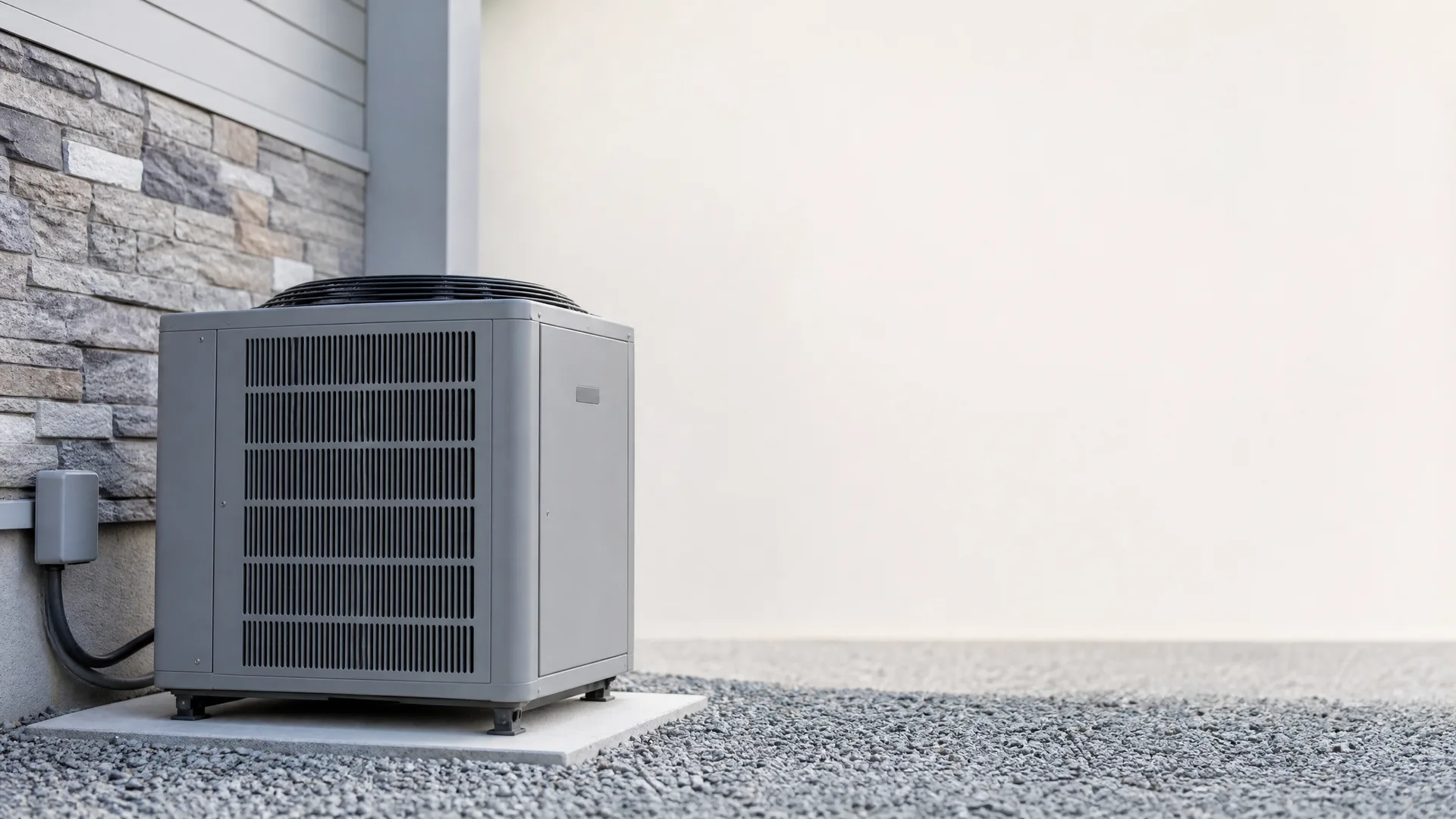
A gray outdoor condenser unit on a concrete pad beside a house with stacked stone and horizontal siding, surrounded by gray gravel and a plain light wall.

How the unit decides to defrost

A sensor on the outdoor coil tracks its temperature, and a timer tracks how long the unit has been running in heat mode. When both line up, the system reverses itself for a few minutes, sending hot refrigerant through the outdoor coil instead of the indoor one. That's what melts the ice. The outdoor fan shuts off during this so it doesn't blow cold air across a coil that's trying to warm up. Once the coil sensor reads warm enough, the unit switches back to heating on its own.

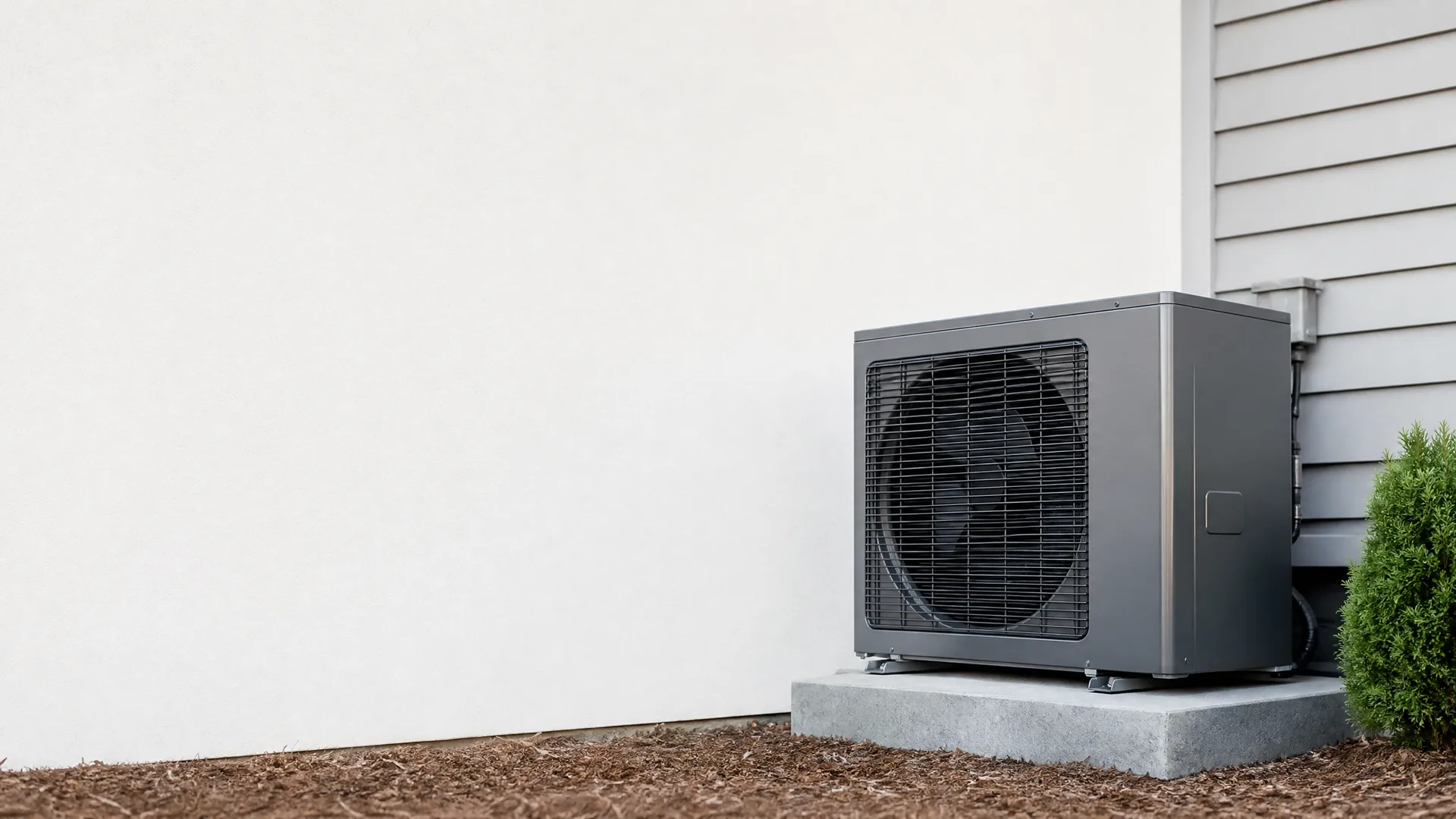
A dark gray outdoor heat pump unit sits on a concrete pad beside a white stucco wall and lap-sided house corner, with mulch and a small shrub in the foreground.

Why the reversal feels cold inside

While the outdoor coil is being heated, the indoor coil isn't producing warm air, so what comes out of your vents runs cool or neutral for those few minutes. Many systems turn on a small backup heater during this stretch to soften that effect, so you feel warm air instead. If your thermostat doesn't show a dedicated defrost light, this is the point where you'd notice the air temperature dip before it climbs back up.

Why does my heat pump blow cold air for a few minutes in winter?

You're sitting in the living room on a cold night and the heat cuts out. A minute later cool air is coming out of the vents instead of warm. It feels like something's wrong, especially if you've only got electric heat and no backup to fall back on.

It's reversing itself to melt ice off the outdoor coil

A heat pump heats your home by moving refrigerant between the outdoor coil and the indoor coil. To defrost, it briefly runs that cycle backward, the same way it would in summer, which sends warm refrigerant outside to melt the ice instead of warm air into your home. That's why the vents blow cool for a few minutes. The outdoor fan usually shuts off during this too, so it looks like the unit stopped working when it's actually doing what it's supposed to. Once the coil is clear, it switches back to heating on its own. On a cold, damp Louisiana night, expect this once or twice, not on repeat.

A bearded man in a dark t-shirt sits on a light sofa, smiling and looking down toward a laptop screen visible at the bottom edge of the frame, with a blurred living space behind him.
A man with graying hair and a beard in a plaid flannel shirt stands indoors looking out a frosted window at snow-covered trees, with a ceramic mug on the sill.

Hand off the heat pump problem

A heat pump that won't come out of defrost, or keeps going back into it, isn't going to fix itself, and on a cold night that matters because it's your only source of heat. Most homes around here run on electric heat, so when the outdoor unit is stuck reversing itself instead of warming the house, there's no backup system quietly picking up the slack. This is the kind of problem that needs a tech who works on heat pumps all year in this climate, someone who's seen what a bad defrost control board or a failed sensor looks like on a system running through a Louisiana winter, not just summer AC calls. Send the request and that search becomes someone else's job. One local contractor gets it, licensed for this work, not a handful of companies competing for your callback. You can stop checking the vents every few minutes to see if the air's gone warm again.

A single-story red brick building with a low shingled roof and large windows, fronted by a wide asphalt parking area with sun glare, surrounded by dense green trees and shrubs.

NOAA puts the summer dew point here at an average of 73°F across June, July and August. That's the moisture your heat pump has been pulling out of the air all summer to keep the house comfortable. Once winter brings a cold, damp night, that same moisture is what lands on the outdoor coil as frost. Louisiana doesn't get many nights cold enough to freeze it, but when it does, the air carries plenty to work with. That's part of why defrost cycles here tend to be quick and infrequent rather than a long, grinding battle against a dry, hard freeze.

NASA POWER T2MDEW county cells weighted by homes

An outdoor air conditioning condenser unit on a concrete pad beside a house with horizontal lap siding, with a green shrub to the left and a wide concrete slab in the foreground.
Before you get your heat pump repair
A gray outdoor condenser unit on a concrete pad beside a light-colored horizontal-siding house, with a disconnect box and refrigerant line on the wall, ornamental grasses and a shrub in mulch nearby, and a concrete patio in the foreground.
After you get your heat pump repair

Leave it alone and watch it

If your heat pump defrosts for a few minutes on a cold night and goes right back to heating, there's nothing to fix. Leaving it alone is the right call. Checking the vents once in a while on a cold snap costs you nothing and tells you whether it's still switching back on its own. Louisiana doesn't get many nights cold enough to trigger this, so you might only see it a handful of times each winter. A unit that behaves this way one winter will usually behave the same way the next, as long as nothing around the outdoor coil changes, like a fence going up close to it or leaves piling against the pad.

Get it looked at now

If the cycling is frequent, or the unit sits there blowing cold air well past ten minutes, that's a different situation and it won't sort itself out. A stuck defrost cycle usually points to a sensor or a control board that isn't reading the coil temperature right, or a reversing valve that isn't switching back the way it should. Left alone, you're heating your house with the strip heat backup more than you'd like, since the heat pump itself isn't doing its job. Catching it early, while it's a bad sensor, is a smaller repair than waiting until the compressor is working harder than it was built to.

Power costs 12.52 cents per kilowatt-hour statewide

Since most homes here heat with electricity, every extra minute your heat pump spends stuck in defrost instead of heating shows up on that bill fast. At 12.52 cents per kilowatt-hour, a unit that cycles the way it should barely registers. One that won't stop reversing itself runs up the cost while leaving you cold.

EIA-861 2025 statewide residential average

Where That Leaves You

  • Defrost mode that runs a few minutes on a cold, damp night and quits on its own is the system working as built.
  • Defrost that repeats every hour or leaves you with cold air for an extended stretch points to a problem with the sensor, the timer, or the reversing valve.
  • A local contractor who services heat pumps all winter has likely already seen whatever is causing yours to stick.
  • Sending one request puts the job in front of one licensed contractor near you, not a string of callbacks from several companies.
  • Catching a defrost problem early keeps your electric bill from carrying the cost of a unit stuck in the wrong mode.

A heat pump that defrosts for a few minutes on a cold night and goes back to heating is doing what it was built to do. You don't need to touch it. The ones worth a call are the ones that keep going back into defrost or won't come out of it, leaving you with cold air when you need heat most. That usually traces back to the sensor on the coil, the timer that tells the system when to reverse, or the reversing valve itself, and none of those fix themselves.

If it comes to that, a contractor who works on heat pumps through the winter here has run into this before. Louisiana doesn't get many cold, damp nights, but it gets enough that a local tech has seen what usually causes a unit to stick in defrost, and knows where to look first instead of guessing. Sending a request through this page puts it in front of one licensed contractor near you, not a handful of companies all calling the same afternoon.

The cost of waiting shows up on the electric bill before it shows up anywhere else. A unit that defrosts the way it should barely costs you anything extra. One that's stuck cycling is pulling power without putting heat into the house, and on electric heat that difference adds up fast. Catching it early, while it's still an occasional hum from the outdoor unit and not a pattern, is the cheaper problem to have.

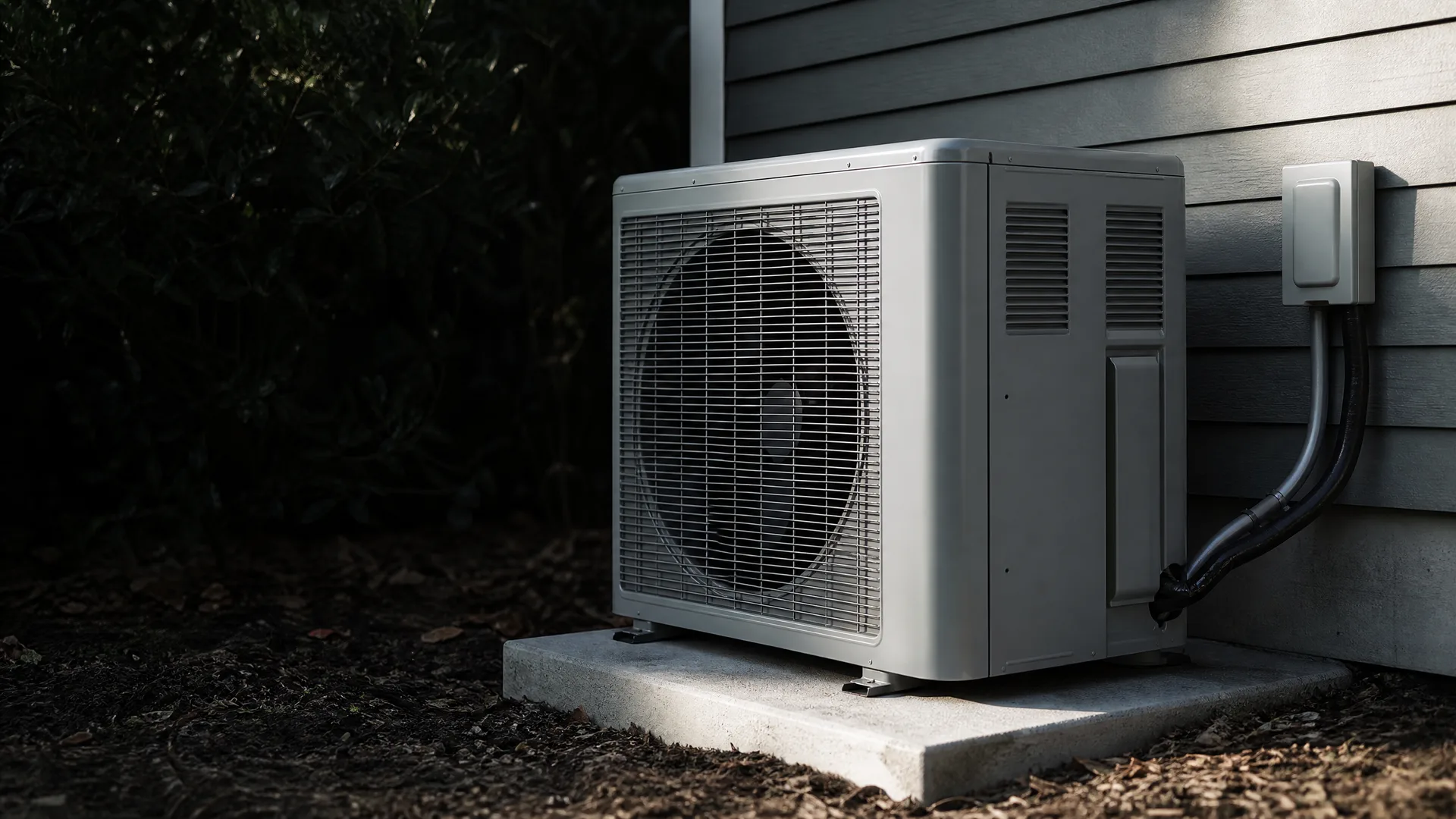
An outdoor air conditioning or heat pump condenser unit on a concrete pad beside a gray horizontal-sided house, with a disconnect box and conduit on the wall and dark shrubbery to the left.

Send one request and you're done looking

RepairHeat PumpLouisiana
Step 1 of 2

What ZIP code is the job in?