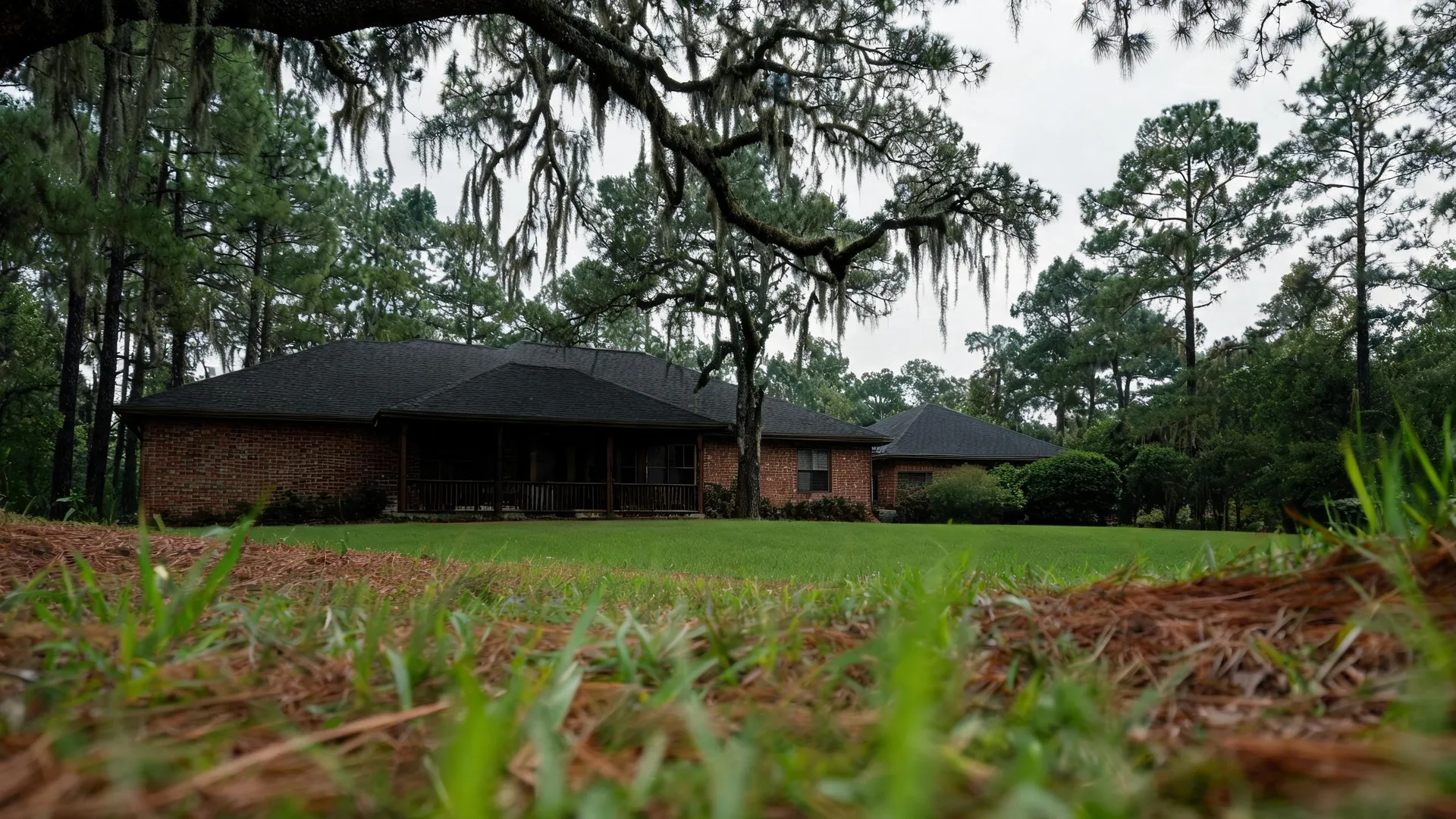






Low-angle view across a lawn and pine-needle mulch toward a single-story brick house with a dark hipped roof and covered porch, framed by pines and a moss-draped oak branch.

AC Maintenance in Hammond, LA

Tell us about the job

Takes about a minute. No obligation.

Tune-up, service, or cleaningCentral ACTangipahoa Parish, LA
Step 1 of 2

What ZIP code is the job in?

Electricity here runs 11.91 cents a kilowatt-hour, lower than most of the country. That sounds like good news, and it is, but it also means the cost of running a neglected AC shows up fast when that system is working harder than it needs to. A dirty coil or a low charge makes the compressor run longer to cool the same house. Longer runtime means more kilowatt-hours, no matter what you pay for each one. Cheap power helps, but it doesn't help much if the unit is straining to do a job it used to do in less time.

7 months
April through October, your air conditioner is on duty
91°F
the average summer afternoon it cools against
14 hail events
in ten years, and hail bends the fins on outdoor coils
48 wind events
in ten years, and wind drives debris into outdoor units
Isometric illustration of a cutaway house showing interior ductwork, an indoor air handler and furniture, connected by lines to an outdoor condenser unit on a pad.
Your air conditioner works hardest from May through September.

NOAA nClimDiv, 1991–2020 normals

Tangipahoa Parish logged 86 severe weather events between 2015 and 2024, counting wind, hail, tornadoes and tropical storms.

Outdoor units sit outside through all of that, so a check before storm season finds debris and damage before they cost you a repair.

April is when it starts working. March is when to have it looked at.

Cooling runs April through October
Summer afternoons average 91°F
Power here costs 11.91 cents per kilowatt-hour

From April through October, the compressor is cycling on and off almost every day. That's seven months of work. Afternoon highs average 91°F across June, July and August, and the dew point sits around 73°F, heavier than most of the country ever deals with. Pulling that much moisture out of the air takes more from the system than just cooling it down. A unit low on refrigerant or dragging a dirty coil feels that load first, and it tends to show up early in the season rather than late. A weak part found before the heat sets in is a service call. The same part found in July is a week without cool air.

A system that runs clean costs less to run here

A tune-up gets a technician in front of the coil and the charge while the fix is still simple. Find a dirty coil or a low charge before summer and it's a cleaning or an adjustment. Let it run that way through the hottest months and it's the compressor working longer than it should, on a system that doesn't come cheap to run hard.

Find a contractor
A man in a gray rolled-sleeve shirt and brown pants, seen from behind, carries a worn canvas tool bag up concrete steps toward a green front door of a shingle-clad house, with a potted shrub beside the entry.
A gray cylindrical air conditioning condenser unit mounted on a concrete pad next to a light-colored vinyl-sided house exterior.

A newer system still needs a yearly look

Half the homes in this parish were built in 1993 or later, which puts a lot of systems inside a span where regular care still pays off. A compressor that's been maintained since it went in has a real chance of making it to the end of its working life without a major repair. Skip the yearly check and a newer unit can end up with the same worn coil or weak capacitor as one twice its age, just because nobody looked at it. The clip beside this shows the pattern: on through the heat of the day, quiet at night, then on again tomorrow. A system that age hasn't earned any slack yet. What it gets now is what decides how it runs for the next several summers.

A real tune-up opens the cabinet

A thorough visit means the panel comes off and the coil gets looked at, not just glanced at through a vent. The technician checks refrigerant pressure against what the system calls for, not just whether it's cold at the register. The condensate drain gets checked for a clog, since a blocked drain backs up and can shut the system down on its own. Electrical connections get tightened, because a loose one heats up and fails a part before its time. A quick visit skips most of this and checks whether cold air is coming out, which tells you the system works today but nothing about why it might not next month.

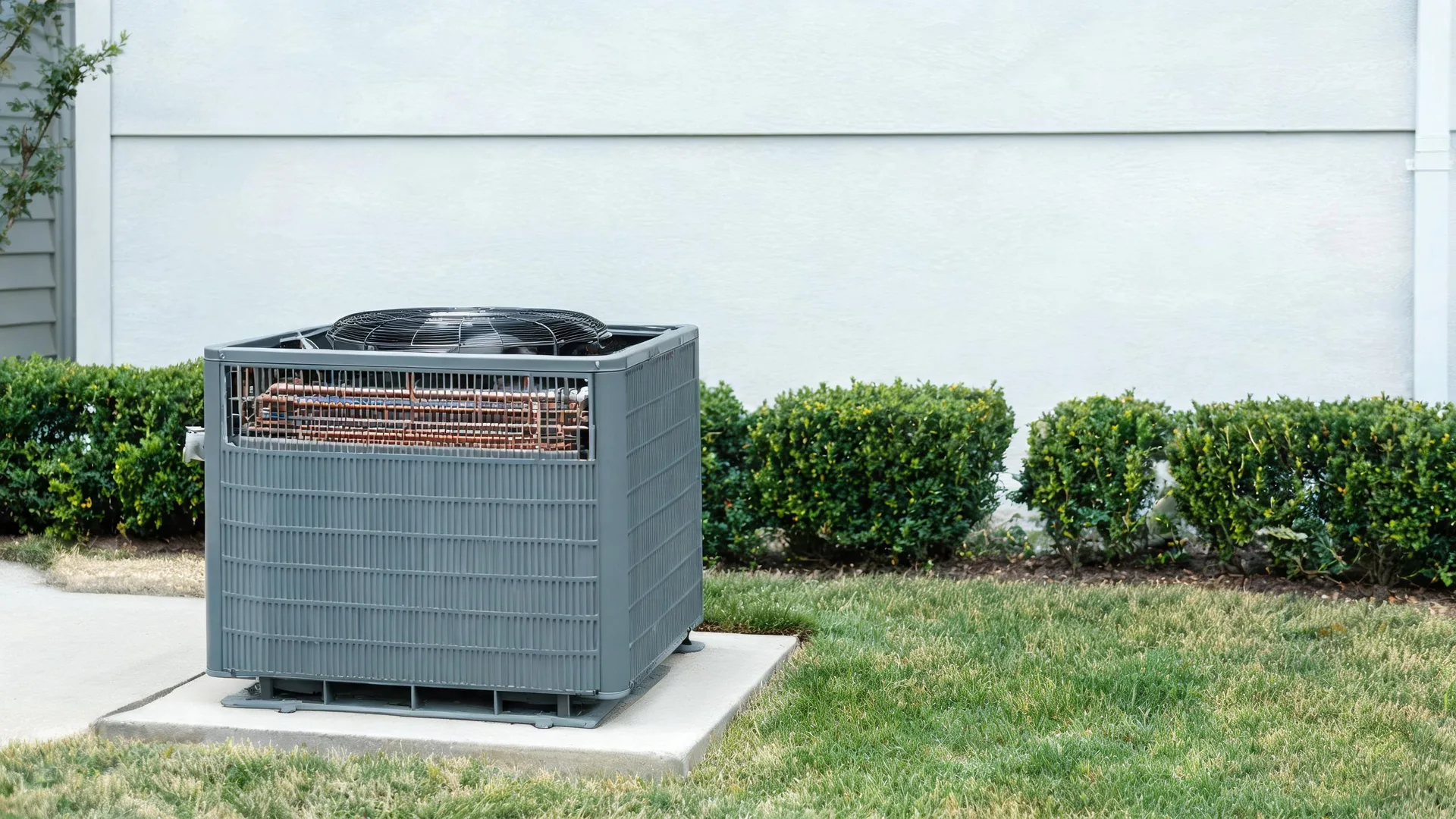
Ask what gets measured, not just touched

A coil that's rinsed looks clean, but a coil that's actually inspected gets checked for bent fins and for the kind of buildup that hides between them where a hose can't reach. Refrigerant charge should get checked against pressure and temperature readings, not topped off by guess. The capacitor and contactor, the parts that start and hold the compressor running, should get tested under load, since a weak one can pass a visual check and still fail the first hot afternoon. If the only thing written down afterward is that the system was serviced, with no readings attached, there's no way to know what was actually found.

Overhead view of a gray residential air conditioning condenser unit mounted on a concrete pad beside a house with asphalt shingle roofing.

Book your AC tune-up in March, before homes here start needing cooling in April.

  1. Jan
  2. Feb
  3. Mar
  4. Apr
  5. May
  6. Jun
  7. Jul
  8. Aug
  9. Sep
  10. Oct
  11. Nov
  12. Dec

A tune-up checks the refrigerant charge, cleans the coils, tests the capacitor and tightens the electrical connections.

A proper tune-up starts with the filter and the airflow behind it, since a system straining to pull air through a clogged filter wears every part harder than it should. The blower wheel gets checked for dust buildup, because a coated wheel moves less air even running at full speed. Refrigerant lines get checked for proper insulation, since a bare section loses cooling before the air ever reaches the house. The outdoor fan motor gets tested for noise and wobble, a sign the bearings are wearing out before they seize. Drain lines get flushed, not just looked at, because algae and dirt build up slowly and only show themselves when the pan overflows. None of this takes long when the system is healthy. It only takes time when something's wrong, and that's exactly when you want it found.