
AC making a loud noise in Slidell, LA

After you send the request, you're done searching.

Hand it off

A loud noise from your AC usually points to something loose, worn, or failing inside the unit, and which sound you're hearing tells a lot about which it is. A banging or clanking often means a loose part inside the compressor, sometimes a broken piston pin or connecting rod. A squealing sound usually comes from the blower motor bearings or a belt losing tension. A hissing or whistling can mean refrigerant escaping from the line, and a buzzing often traces back to loose electrical connections or a failing contactor. With summers in Slidell running hot and muggy for months, your outdoor unit works hard almost continuously, and that steady workload is exactly when worn parts tend to announce themselves. Running the system while it's making noise can turn a small, cheap fix into a bigger repair, especially if a part is grinding or rubbing against something it shouldn't. It's worth having someone look at it before that happens.

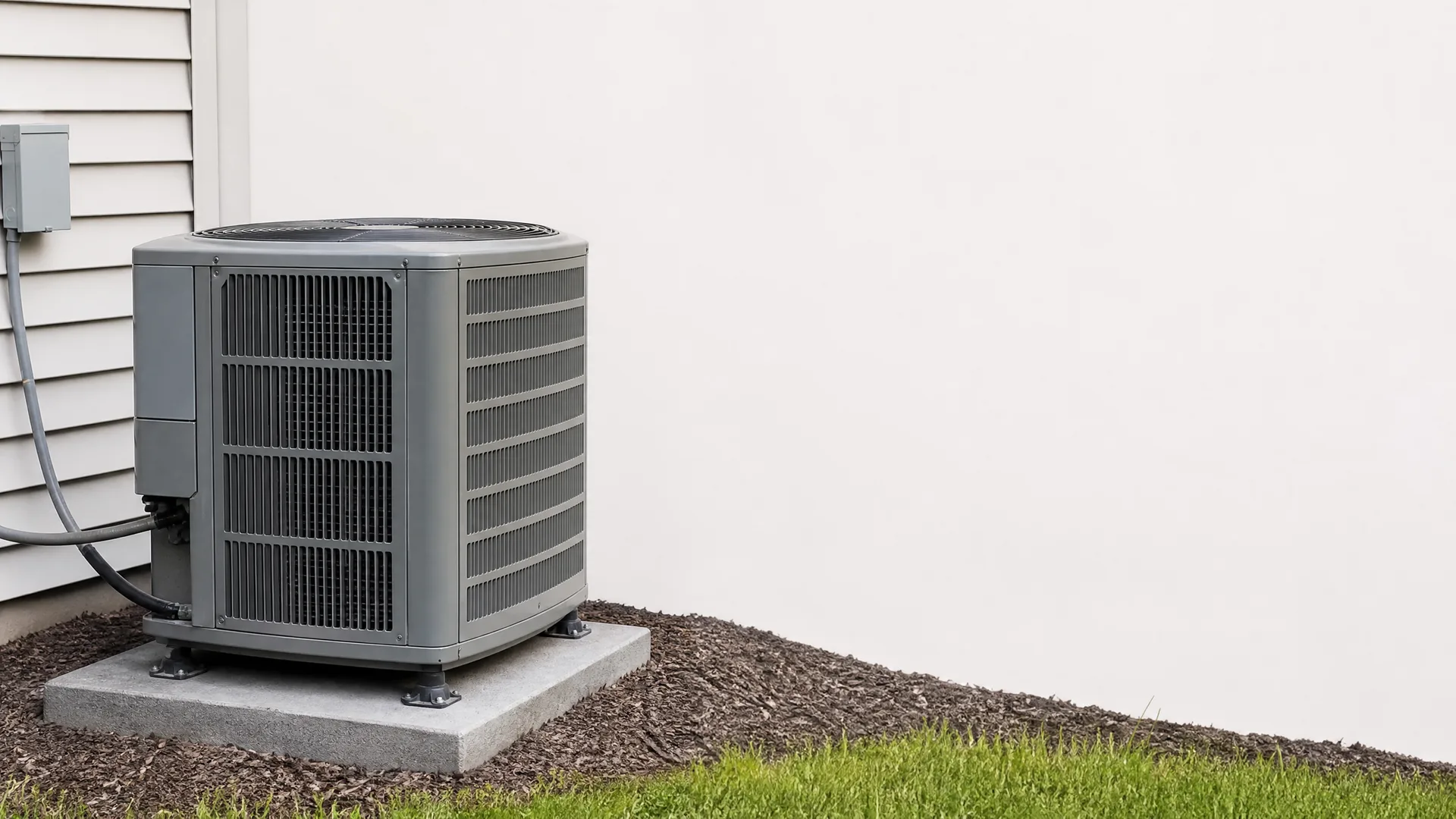
A gray outdoor air conditioning condenser unit on a concrete pad beside a house with vinyl siding and a large blank light-colored wall, surrounded by dark mulch and grass.

What a squeal or grinding means

A high-pitched squeal usually comes from the blower motor bearings or a belt on an older unit, though most systems now run direct drive with no belt at all. Grinding is harder on the wallet. It often means the motor bearings have worn out and metal is grinding against metal inside the housing. Left alone, that motor can seize.

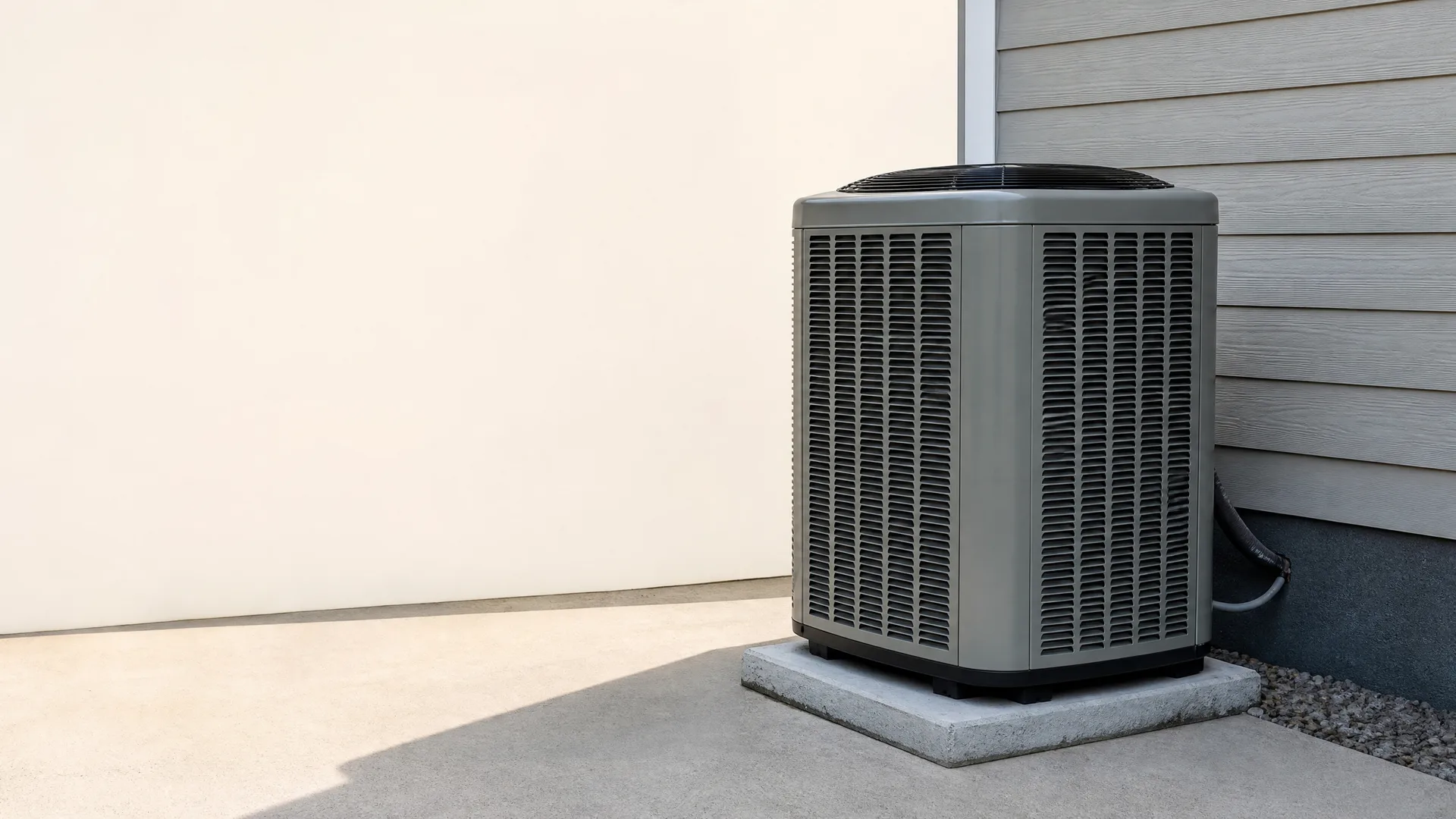
An outdoor air conditioner condenser unit on a concrete pad beside a house with horizontal lap siding, next to a plain light-colored wall and gravel bed.

Why rattling gets worse over time

Rattling often starts small, a loose screw or panel vibrating against the cabinet, and gets louder as the vibration works other parts loose too. In St. Tammany Parish, the outdoor unit runs for months straight through the humidity and heat, so a loose part has plenty of time to shake free the rest of the way before fall.

Is this noise something to worry about?

You probably noticed it from another room first, a sound that doesn't belong with the usual hum. Maybe it's loud enough to hear over the TV, or it starts right when the compressor kicks on outside. You might catch it only at certain times, like the first few minutes of a cycle, or it might run the whole time the unit is on. Some of these noises mean the AC will keep struggling along for a while yet. Others mean a part is close to failing outright, and running it that way can turn a simple repair into a compressor replacement. If the sound has gotten louder over a few days, or changed character, that's usually the unit telling you it's getting worse, not better.

A gray outdoor air conditioner condenser unit on a concrete pad beside a house with horizontal vinyl siding, surrounded by mulch, flowering shrubs, and lawn.

Running quiet

This is what a healthy unit sounds like: a steady hum, nothing more. The coil fins are clean and open, so air moves through them the way they were built to. A unit kept clear of mulch and leaves can breathe, and a compressor that breathes right rarely bangs or squeals.


A weathered outdoor air conditioning condenser unit on a concrete pad beside a house with light horizontal siding, an electrical disconnect box and conduit on the wall, and mulched soil on either side.

Caked in grime

Dirt packed into the coil fins blocks airflow, and the unit works harder to move the same amount of air. That strain shows up as noise, and it also puts load on the compressor and the motor. A disconnect box and conduit in good order don't fix a coil that's choked with debris.

A man with gray-brown hair and stubble in a dark sweater sits on a light-colored sofa in a living room, looking off to the side, with a houseplant, framed picture, shelving and a sunlit window behind him.
A gray-haired bearded man in a dark blue shirt over a white t-shirt sits on a leather sofa in a living room with built-in shelves, a floor lamp, an armchair and large windows, looking off to the side.
A gray-haired man in a dark green sweater sits smiling on a sofa in a sunlit living room, with a houseplant, shelving unit, and dining table visible behind him.
A gray-haired man in a dark green knit sweater sits on a beige sofa with a dark cushion, looking to the side, with a potted plant, shelves and sunlit windows behind him.
  1. Loose or worn part starts vibrating or rubbing inside the unit

  2. Vibration grows louder as the part wears further

  3. Contractor opens the cabinet and isolates where the sound comes from

  4. Worn part gets replaced or refastened and the unit runs quiet again

An outdoor air conditioning condenser unit on a concrete pad beside a house with horizontal lap siding, with a conduit and electrical disconnect box on the wall at right.
Before you get your air conditioner repair
A gray outdoor air conditioner condenser unit on a concrete pad beside a house with horizontal lap siding, with a wall-mounted disconnect box and conduit to its right and shrubs to the left.
After you get your air conditioner repair
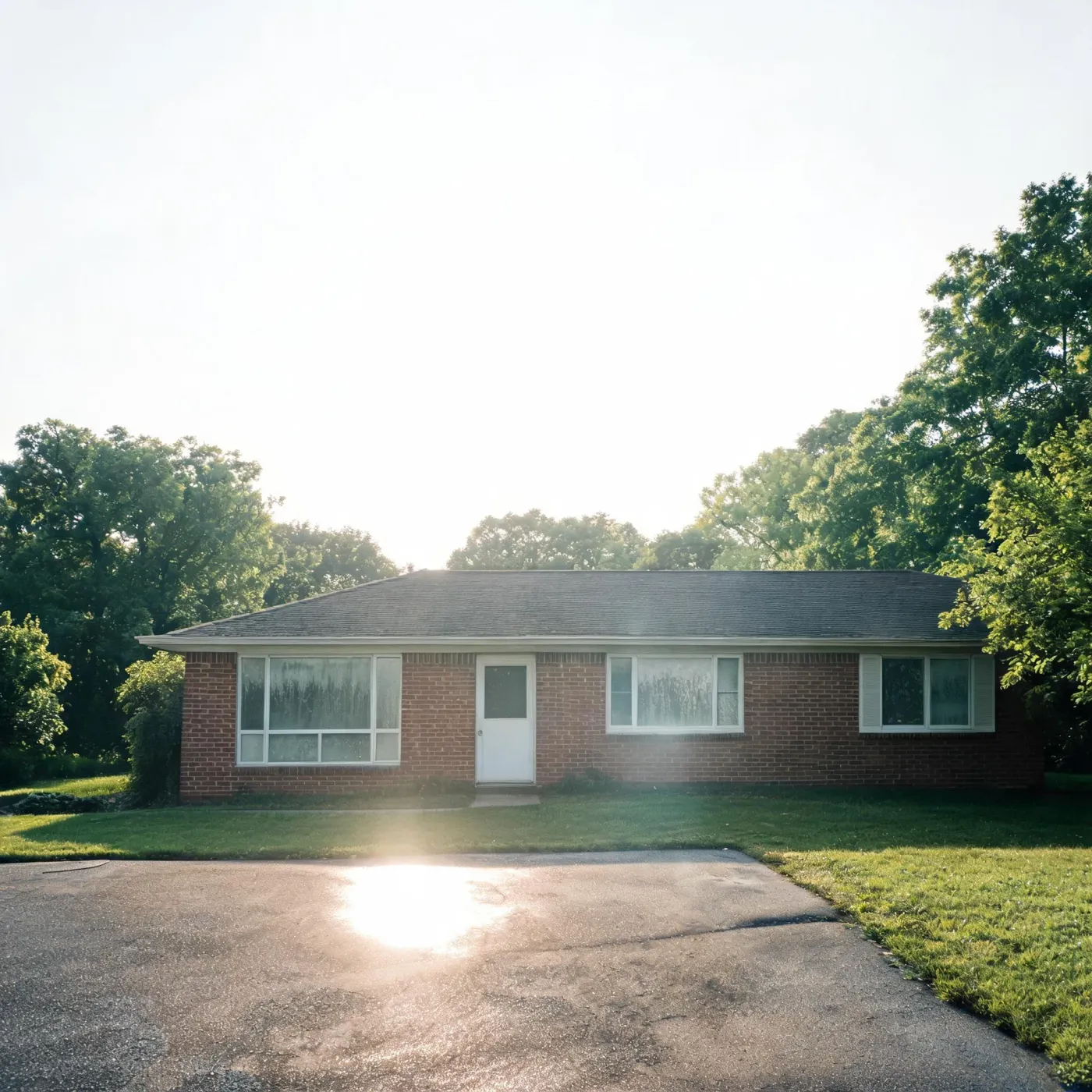
A single-story brick ranch house with a white front door and white-framed windows, fronted by a wide asphalt driveway and lawn, with green deciduous trees behind it and bright sun flare above.

Summer air in St. Tammany Parish holds a dew point around 73°F through June, July and August, according to NOAA climate records. Air that heavy is dense, and it carries more moisture for your AC to pull out before it can cool the house. That load falls hardest on parts already working loose or worn, which is often where a new noise comes from in the first place. A unit straining against that kind of air tends to run longer stretches with the compressor under full load, and a loose part that might stay quiet in October will rattle or grind through a July afternoon. Slidell has contractors who work on these systems all summer and know which sounds show up most once the air gets this thick. Getting matched with one nearby means a single contractor looking at your unit, not a handful of calls to sort through.

NASA POWER T2MDEW

One request and it's handed off

A loud AC isn't something that waits well in Slidell. With the dew point sitting near 73°F most of the summer, the compressor is already working harder than it would almost anywhere else, and a loose or worn part under that kind of load tends to fail faster, not slower. Letting it run another week to see if it settles down usually costs you the part it was already stressing. A local contractor who works on these units all summer has heard this exact noise before and knows which parts in your model give out first, so there's less guessing once someone's looking at it. Sending the request means you're done tracking down who's available and who actually answers. One contractor gets your information, looks at what you described, and takes it from there. You get to stop listening for the noise and let someone who knows the equipment figure out what's making it.

What that noise comes down to

  • A bang, squeal, grind, or hiss each points to a different part, and the sound you hear is the clue a contractor starts from.
  • Left alone, a loose or worn part under summer load tends to fail faster, not slower.
  • A local contractor who services units through Slidell's long summers has likely seen your exact sound before and knows where to look first.
  • Sending one request means one contractor calls, not a handful of companies competing for your number.
  • Once the sound is traced to its source, the fix is usually a matter of replacing or refastening the worn part.
  • Quiet operation returns once the part causing the noise is dealt with, not before.

Every loud AC has a reason, and the sound itself is the first clue. A bang points somewhere different than a squeal, and a hiss means something else entirely. That's where a contractor starts, not with guesswork but with what you're actually hearing. Leaving it alone doesn't buy you time. A loose part vibrating today is a worn part failing tomorrow, and Slidell summers push equipment hard enough that the gap between those two doesn't stay open long. What helps is having someone local take the call, someone who's spent enough summers servicing units through this kind of heat and humidity to have heard your sound before on someone else's unit. That familiarity means less time spent guessing and more time spent looking in the right place first. Send one request and one contractor calls you back, not three or four companies all trying to win the job. Once that contractor opens the cabinet and finds the part causing the noise, the fix is usually straightforward. Replace it or refasten it, and the unit goes back to running the way it should. The noise doesn't ease up gradually or come and go after that. It stops, because the thing causing it is gone. Until then, you're left listening for how it changes, which is really just listening for how much worse it's getting.

A white clapboard two-story house with black shutters at dusk, its lit entry porch and windows glowing, with a stone walkway leading to steps flanked by planters, shrubs and lawn.

Air Conditioner Repair

Done looking for an air conditioner pro

RepairCentral ACSt. Tammany Parish, LA
Step 1 of 2

What ZIP code is the job in?

  • A cream upholstered armchair with a textured pillow sits in a corner beside a small round wooden side table holding a vase of greenery and a book, under a framed landscape print, with a potted tree in a woven basket and a sheer curtain nearby.
    • Get matched with a pro who fixes air conditioners in St. Tammany Parish.
    • Get matched with a pro who works on air conditioners in St. Tammany Parish.
  • A beige upholstered armchair with a green cushion and knitted fringed throw sits in a corner beside a wooden side table holding a stone vase of leafy branches, under a framed landscape picture, on a woven rug near a sheer curtain.
    • After this form, you can stop searching for an air conditioner pro.
    • One request and the search for a pro is handled.
  • A wood-framed armchair with light beige upholstery and a gray linen cushion sits in a corner beside a potted olive-like tree and a sheer curtain at a window, with a framed picture on the wall above.
    • Explain the air conditioner problem once instead of to every shop in St. Tammany Parish.
    • Skip calling shops to ask who repairs air conditioners in St. Tammany Parish.
  • A ceramic vase holding leafy branches sits on a round wooden side table beside a sofa with a dark green cushion and gray throw, next to a sunlit window.
    • The pro who gets in touch is licensed in Louisiana and works in St. Tammany Parish.
    • Your request stays with one local pro.