


Running clean
A heat pump like this one has clear coil fins, solid wiring and a disconnect box in good shape. Nothing blocks airflow across the coil, so the unit can pull heat from the outdoor air and send it inside through the registers warm.
Your heat pump is running, but the air coming out of the vents feels cold instead of warm. In Monroe winters are mild, so the system may not run long or hard enough for you to notice right away if something's off, but cold air blowing when you expect heat usually means the unit isn't actually heating, not that you're imagining it.
A heat pump moves heat from outside air, so the air out of the vents is warm compared to the outside, not hot like a furnace's. On a mild Monroe day that can feel lukewarm or just barely warm, and that's normal. Truly cold air is different. That points to the system stuck in defrost too long, low refrigerant, a reversing valve stuck in cooling mode, or the outdoor unit iced over and not able to pull in heat. Since most homes here heat with electricity and lean on the heat pump through the winter, a unit that's actually blowing cold air needs a licensed contractor to look at the refrigerant charge and the reversing valve before it gets any colder out.
A heat pump warms air by moving heat from outside, not by burning fuel, so the air at the vent runs body temperature or a little above rather than furnace hot. Hold your hand near the register and it can feel cool next to your skin even though the system is heating the house. That's normal operation. What's not normal is air that feels truly cold, room temperature or below, for more than a few minutes after the system starts up.
On a cold, damp morning, the outdoor unit can ice over. The system reverses itself for a few minutes to melt that ice off the coil, and during that cycle it blows cold air inside while a backup heat strip should pick up the slack. If you feel a burst of cold air and then hear the outdoor fan stop and start again, that's the defrost cycle working. It should last only a few minutes before the system switches back to heating.
Winter nights average 37°F
Nights drop to 37°F on average here in December, January and February, so your heat pump has to work against real cold, not just a chill.
Heat runs November through March
Your heat pump runs about five months a year, November through March, which is plenty of time for a worn part to show itself.
Cooling runs May through October
Cooling runs May through October here, so the heat pump sits unused for months before winter asks it to switch over and heat again.
NOAA nClimDiv 1991-2020
A heat pump that never warms up past cool makes those 37 degree nights in Monroe hard to live with, and it runs up your bill at the same time. The outdoor unit is pulling power and the indoor fan is pushing air through the house, but if the compressor has stopped doing its job, you're paying for a system that's moving air without moving much heat. Left alone, the unit may lean harder on the backup heat strips to make up the difference, which costs more to run than the heat pump itself. On a mild December night that's an annoyance. On a January night near freezing, it's the difference between a house that holds at 68 and one that slides down a few degrees before morning. If the outdoor coil is iced over or the reversing valve is stuck, the problem won't fix itself by waiting it out, and most homes here don't have a backup furnace to fall back on since electric heat is what runs the house.


A heat pump has one job in winter that a furnace doesn't: it has to switch directions. The reversing valve is what makes that switch, sending refrigerant one way to cool your house and the other way to warm it. When that valve sticks, everything else in the system keeps running like normal. The compressor kicks on, the outdoor fan spins, the indoor blower pushes air through your ducts, and none of it means the system is actually warming anything. That's why the vents can blow steady air that never changes temperature. A few other things cause the same complaint. Refrigerant that's low on charge still lets the system run, just without enough to carry real heat indoors. Frost on the outdoor coil blocks heat transfer outright, and that frost should melt off on a timer or a sensor, so a broken defrost control leaves it there. A compressor can draw power and sound normal while it's failed inside. And when outdoor temperatures fall hard, backup heat strips are supposed to fire automatically, which only happens if the control board telling them to is working.




A licensed pro who repairs heat pumps in Ouachita Parish gets your request.
It costs nothing to send, and you don't have to hire anyone.
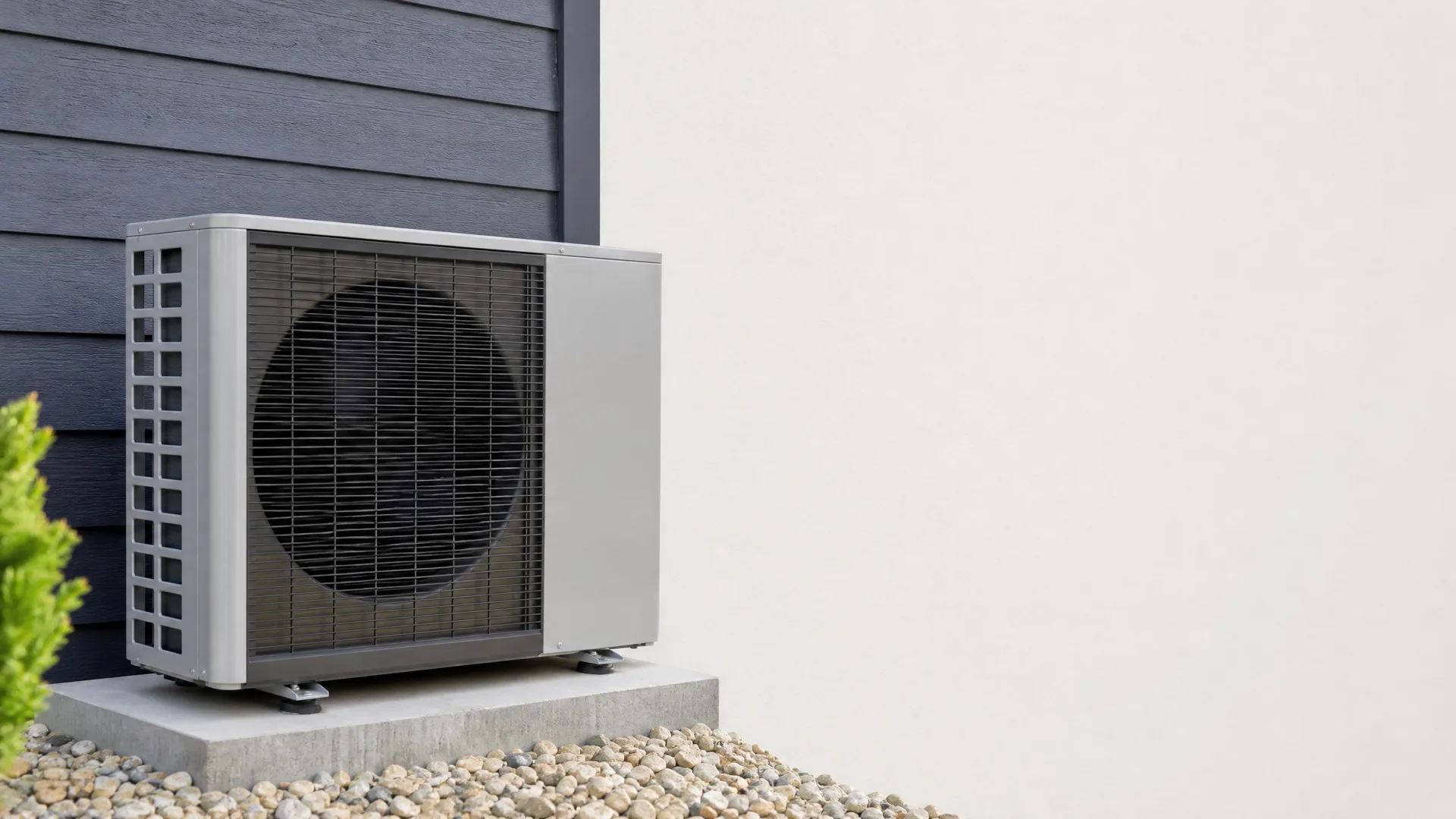
A heat pump like this one has clear coil fins, solid wiring and a disconnect box in good shape. Nothing blocks airflow across the coil, so the unit can pull heat from the outdoor air and send it inside through the registers warm.

Caked dirt and weathering on the fins make it harder for the unit to grab heat from the air, even when everything else runs fine. If yours looks like this, that buildup could be part of why the air at your vents isn't warming up.

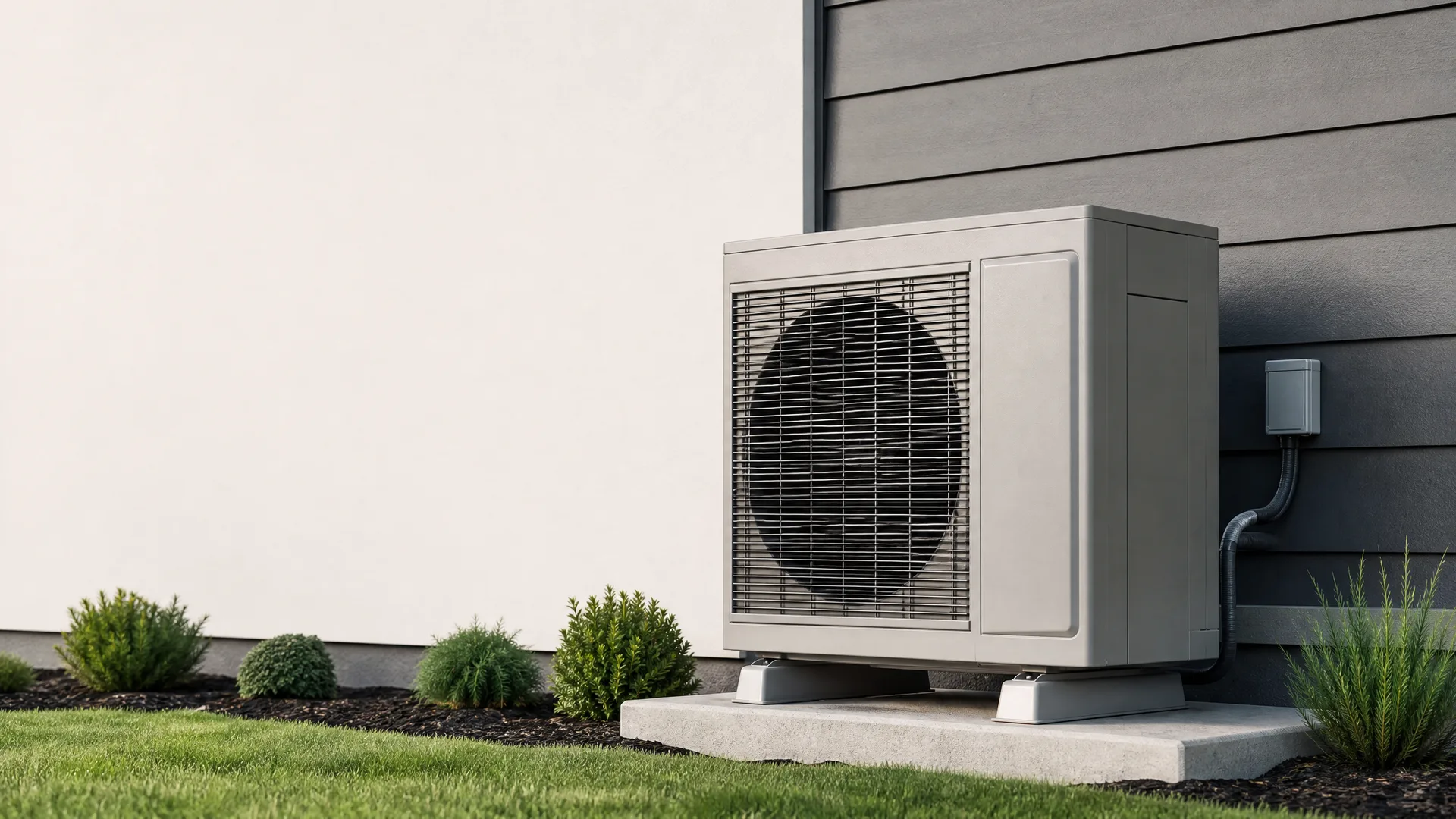
A heat pump sitting clean on its pad, disconnect box mounted and wired tight, shrub trimmed back from the cabinet. Nothing crowds the unit and nothing blocks the airflow it needs to pull heat from the outside air and send it in warm.

Same kind of unit, same conduit running from the disconnect down to the cabinet, but the air at your registers stays cold no matter how long it runs. Looks fine from the outside. The reversing valve or the charge inside is where a tech needs to look.
At 12.03 cents per kilowatt-hour, running the indoor fan and outdoor unit on a stuck reversing valve costs you less here than it would most places, but it still adds up over a cold snap. A heat pump that's only moving air without warming it is wasted power every hour it runs, cheap rate or not.
EIA-861 2025
You notice the cold air on a Tuesday night and figure you'll keep an eye on it. The thermostat still shows the right number, the fan still comes on, so it's easy to tell yourself it's not that bad yet. But a reversing valve stuck in cooling mode doesn't fix itself, and every cold night between now and your next warm spell runs the compressor and the fan without the house ever getting warm. You end up calling around anyway once a hard freeze hits, except now you're doing it at night or on a weekend, with fewer techs free and less patience to compare who you're calling.
A licensed tech in Ouachita Parish can put gauges and a multimeter on the system and tell you in one visit whether it's the reversing valve, a low charge, or something electrical, instead of you guessing from how the vents feel. You call once, explain it once, and the same person who answers is the one who shows up. Someone who works on heat pumps all season here has likely seen this complaint on a system like yours before. You skip the part where you're sorting through several companies and retelling the story to each one, and you get an answer tied to what's actually wrong, not a guess.



A heat pump blowing cold air during a heating cycle almost always comes back to that reversing valve stuck in the wrong position. Gauges and a multimeter settle it in a way that guessing from the vent never will. Until it's fixed, the unit keeps drawing power without warming your house, and on the next 37 degree night in Monroe that's a cold house and a higher bill both.
Finding someone qualified for this is the part you can skip. Instead of searching around, calling a few companies, and walking each one through the same story about the cold vents, you'd be matched with one licensed contractor local to Ouachita Parish, someone who works on heat pumps all season here and has likely already seen this exact complaint this winter. One call, one visit, one answer on the reversing valve.


No charge to send it. You decide if you hire them.
One call gets a licensed tech out to your place instead of a string of quotes to chase down and compare. Someone who works on heat pumps all winter around Ouachita Parish already knows a stuck reversing valve when they hear the symptom, so you explain it once and they show up knowing what to check first.