A white wall-mounted mini-split indoor unit on a gray interior wall above a beige sofa, with a framed picture, a floor lamp, wood slat wall trim, and a window showing green foliage.

Get matched with a mini split pro in Tangipahoa Parish

How often to clean a mini split in Hammond, LA

Your mini split runs almost year round in Hammond, cooling through a long muggy summer and helping out on the mild winter days too. That kind of use raises a real question: how often does the filter and coil actually need attention to keep it working right. This page gets into what that schedule looks like, and can connect you with a local contractor who services this equipment regularly and knows what to check.

Find my pro

A mini split in Hammond needs its filters cleaned about every two to four weeks and a full service, coils and condensate drain included, once or twice a year. The filters catch pollen, dust and humidity faster here than in a drier climate, because the unit runs almost constantly pulling moisture out of the air. When the filters clog, the coil behind them starts working harder to move the same amount of air, and that strain shows up as weaker cooling and a higher power bill. The condensate drain matters just as much. With the system running nearly year round, condensation never really stops, and a slow drain can back up and leak into the wall or ceiling it's mounted on. Skipping filter cleaning for a season or more is usually what turns a simple wipe-down into a coil that needs a real service call.

A gray-haired bearded man in a dark snow-dusted coat and scarf stands inside a dimly lit home entryway, with a hallway, framed picture, lit table lamp and staircase behind him.
An older man with gray hair and a beard, wearing a dark snow-dusted coat, stands in a warmly lit home entryway with a hallway, console table with lamp, patterned rug, and living room visible behind him.
An older man with gray hair and a beard, wearing a dark coat dusted with snow and a blue plaid scarf, stands smiling in a dimly lit entryway with a window, framed picture, table lamp and staircase behind him.
A gray-haired man in a dark coat dusted with snow stands in a warmly lit home entryway, with a lamp, sofa, window and white staircase banister behind him.

Why does a Hammond mini split need this much upkeep?

  • Cooling runs April through October

    Cooling runs April through October, so the filter and coil are working seven months straight before you even count the mild winter days you run it too.

  • Heat runs November through March

    Heat runs November through March, which means your mini split barely gets a break before cooling season starts the cycle over again.

  • Power here costs 11.91 cents per kilowatt-hour

    Power here costs 11.91 cents per kilowatt-hour, and a dirty filter or coil makes the unit work harder to move the same air, which shows up on that bill.

NOAA nClimDiv 1991-2020 · EIA-861 2025

Inside the Indoor Unit

  • The indoor unit pulls room air across the filter before it ever reaches the coil, so a dirty filter chokes airflow first.
  • Once airflow drops, the coil can't shed heat properly and sometimes ices over even on a hot day.
  • The blower wheel behind the filter collects a fine dust film over time, and that cuts airflow the same way a clogged filter does.
  • The condensate drain carries off the water the coil pulls out of humid air, and a clogged one backs up into the unit or drips onto the wall below it.
  • Dirty coil fins lose contact with the air moving across them, so the system runs longer to reach the same temperature.
  • A contractor can flush the drain line and straighten the fins, work that goes beyond what a homeowner can do with a rinse and a vacuum.

Air comes into the indoor unit through the filter first. That filter is the only thing standing between the room air and the coil behind it, so whatever it catches, or fails to catch, decides how hard the rest of the unit has to work. A clogged filter starves the coil of airflow. Once that happens the coil can't pull heat out of the air the way it's built to, and on a humid day it can actually ice over instead of cooling anything. Behind the filter sits the blower wheel, and it collects its own film of fine dust over months of running. That buildup chokes airflow the same way a dirty filter does, just slower, and a rinse of the filter alone won't touch it. Below the coil runs the condensate drain, carrying off the water the coil pulls out of the air. In a climate this humid that line is moving water most days of the year, and once it clogs, the water has nowhere to go but back into the unit or down the wall underneath it. Dirty coil fins cause a quieter problem: they lose contact with the air passing over them, so the system runs longer to hit the same setpoint. A contractor can flush that drain line and straighten bent fins, work that goes past what a filter rinse and a shop vacuum can fix at home.

A white wall-mounted mini-split air conditioner unit installed high on a light gray interior wall below crown molding, with a bamboo-shaded window at the lower left.
A clean filter and clear vanes let the unit push full airflow across the room without straining.
A wall-mounted mini-split air conditioner indoor unit with a dusty, discolored cover, installed near the ceiling on a plain light-colored wall.
Dust caked on the casing like this usually means the filter behind it has been skipped for months.

Clean It Yourself or Call In Help

Clean it yourself

  • Pulling the front cover and rinsing the filter in the sink takes a few minutes and needs no tools.
  • You can see right away whether the filter is clogged with dust or pollen, so there's no guessing about timing.
  • Wiping down the casing and vanes keeps dust from building up on the surfaces you can reach.
  • It won't get you inside the coil, the drain line or the blower wheel, where buildup actually cuts airflow.
  • Skipping the parts you can't reach means problems there go unnoticed until the unit is already struggling.

Have it serviced

  • A technician opens the unit up to clean the coil and blower wheel, not just the filter you can reach by hand.
  • Clearing the condensate drain during a service visit stops the line from backing up and leaking into the house.
  • A local contractor who works on these units every season knows which parts tend to fail first in this climate.
  • Going through one contractor instead of several means one visit, one set of hands on your unit, not a round of competing calls.
  • A full service once or twice a year catches wear on parts the homeowner routine never touches.
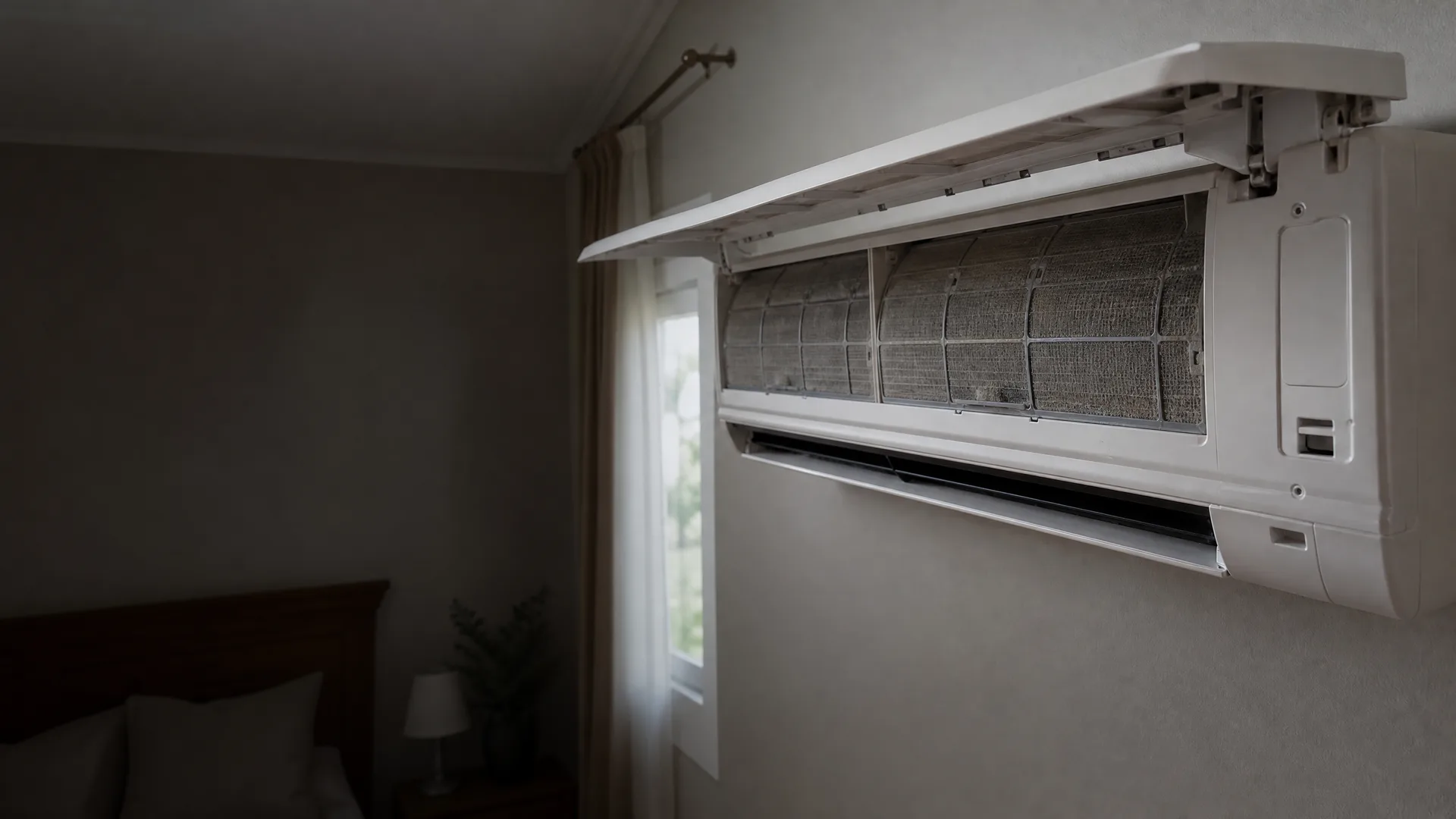
A wall-mounted mini-split air conditioner with its front cover open, exposing dusty filters and coil, in a dim bedroom with a window and bed headboard in the background.

You pop the front cover up on a Saturday afternoon in spring, light coming through the bedroom window, and the filter screen behind it is gray with dust, matted enough that you can't see the mesh underneath. You run a finger across it and it leaves a clean line. This is the unit that's been cooling the room since the heat started creeping back in, and before that it ran through a mild winter most days too. You know the pollen's been bad the past few weeks, the cars outside show it. Looking at the screen, you figure it's past time someone who works on these year round in Tangipahoa Parish took a real look at the coil behind it, not just the part you can rinse off yourself.


Find a mini split maintenance pro in Tangipahoa Parish

A clogged filter or a coil caked with dust will not fix itself, and running the unit that way through another Hammond summer just makes the compressor work harder for less cool air. A tech who services mini splits around Tangipahoa Parish all year has a good sense of what a unit here looks like after a season of humidity and pollen, and what parts of it get missed when someone does the cleaning themselves. Instead of your info going out to a handful of companies at once, it goes to one local contractor who handles the scheduling and the service on their own terms. If your filters have gone past the two to four week mark, or it has been a year or more since the coils and drain were actually checked, that is the point where it is worth having someone look at it before the next stretch of hot, humid months sets in.

A mini split's indoor coil is a stack of thin aluminum fins spaced just a few millimeters apart, and dust bridges that gap fast once the filter stops catching it.

Once those fins are coated, the coil can't transfer heat the way it's built to, so the unit runs longer to reach the same temperature and the power bill reflects it.

Cooling runs April through October

Seven months of cooling means seven months of your indoor unit pulling humid air across that filter without a break. Skip a cleaning in June and you're already behind by August. Keeping to a schedule matters more here than it would somewhere with a short, mild summer.

NOAA nClimDiv 1991-2020

  1. Room air gets pulled in through the front intake grille.

  2. The filter screens out dust and pollen before the coil.

  3. Cooled or heated air passes across the indoor coil.

  4. A blower wheel pushes that air back into the room.

What happens if you just never clean the mini split at all?

Maybe you've had the unit for a couple years and never once popped the cover. It still blows cold, so it seems fine. You're wondering what actually happens if you just skip the filter cleanings and the yearly service altogether, not what's recommended, but what really goes wrong and how bad it gets.

The unit keeps running, but it loses capacity, freezes up, and eventually the compressor fails

Nothing fails right away. The filter gets thicker with dust, airflow drops, and the unit starts working harder to put out the same amount of cool air. You'll notice the room doesn't get as cold, or the unit runs longer to get there. Next the coil starts icing over, even in July, because the airflow across it isn't enough to keep it from freezing. If it keeps running iced up, water backs up past the drain pan and drips into the wall or the floor below. Push it far enough and the compressor, the part that actually costs real money, ends up straining against a system that can't move air, and that's usually what fails last and permanently.

A white wall-mounted mini-split air conditioner installed high on a beige interior wall below crown molding, with a window and light curtain on a black rod at right.

Clean and on schedule

This is what a mini split looks like when the filter's been kept up. The casing is clear, the vents are open, and the unit can pull full airflow across the room without strain. In Hammond, where cooling runs April through October, that airflow is what keeps the coil from icing over on a hot day.

A wall-mounted mini-split air conditioner indoor unit with a dusty off-white casing and dark lower vent, installed high on a plain light-colored wall below a ceiling molding.

Overdue for a cleaning

Dust like this on the casing usually means the filter behind it hasn't been touched in months. Once it builds up this far, airflow across the coil drops, and the unit works harder to cool the same room. A reader who sees this on their own unit is already behind on the schedule.

A woman wrapped in a thick cream knit blanket sits in a chair with an open book on her lap, beside a lit table lamp and a frost-covered window at night.
A woman in a cream knit sweater sits with closed eyes in an armchair beside a window showing orange autumn foliage, with a mug and plate of cookies on a small side table.

Clean on schedule

The filter gets rinsed every two to four weeks and the coil gets serviced once or twice a year. Airflow stays strong and the compressor isn't working harder than it has to through a long cooling season.

Find a local pro

Skip it

Dust bridges the coil fins, airflow drops, and the unit can start icing over even on a hot Hammond afternoon. It still runs, just not the way it's built to.

Find a local pro
A smiling man in a denim shirt and white t-shirt stands in an open dark doorway of a stucco house, facing a woman with long brown hair and a green jacket seen from behind in the foreground.

Clean filters, every two to four weeks, a full service once or twice a year

That's the schedule a mini split needs in Hammond. The filter is the part you check yourself, often, because dust and pollen build up fast on a unit that runs this many months of the year. The coil and drain are the part a tech checks, once or twice a year, because those take the cover off and a closer look.

If you'd rather have someone else keep that schedule, a contractor who works on mini splits throughout Tangipahoa Parish can take it from here. One who services this equipment all season knows which models in this area tend to clog filters fast and which coils ice over first when airflow drops, because they've already seen it on the unit down the street. You'll be matched with one contractor local to you, not a handful of companies competing for the call, and that contractor will reach out directly.

Interior corner of a living room with a sheer-curtained window, a light wood console table holding a vase of greenery and a shallow bowl, a woven basket on the lower shelf, and a blurred upholstered sofa and dark wood table in the foreground.
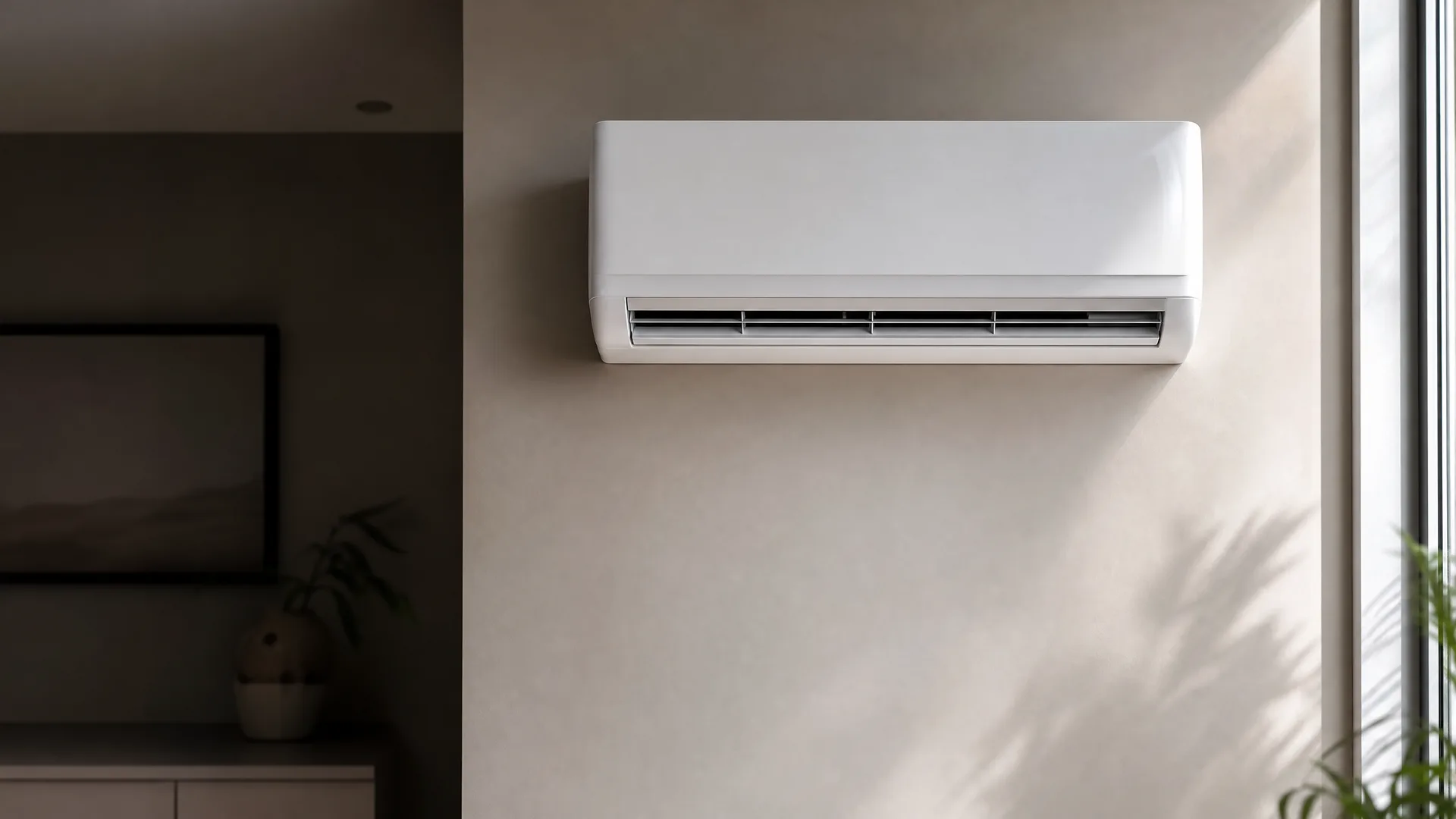
A white wall-mounted mini-split air conditioner on a plain beige interior wall, with a framed picture and potted plant in the dim left background and sunlit window with foliage at right.

Matched to your mini split job

Tune-up, service, or cleaningMini-splitTangipahoa Parish, LA
Step 1 of 2

What ZIP code is the job in?